Montoya demands F1 rethink track limits after Antonelli penalised for car failure at Silverstone
Juan Pablo Montoya has called on Formula 1 to overhaul its track limits rules after Kimi Antonelli received a five-second penalty at the British Grand Prix while struggling to control a damaged Mercedes, arguing penalties should only apply when a driver gains an advantage.
2 min read
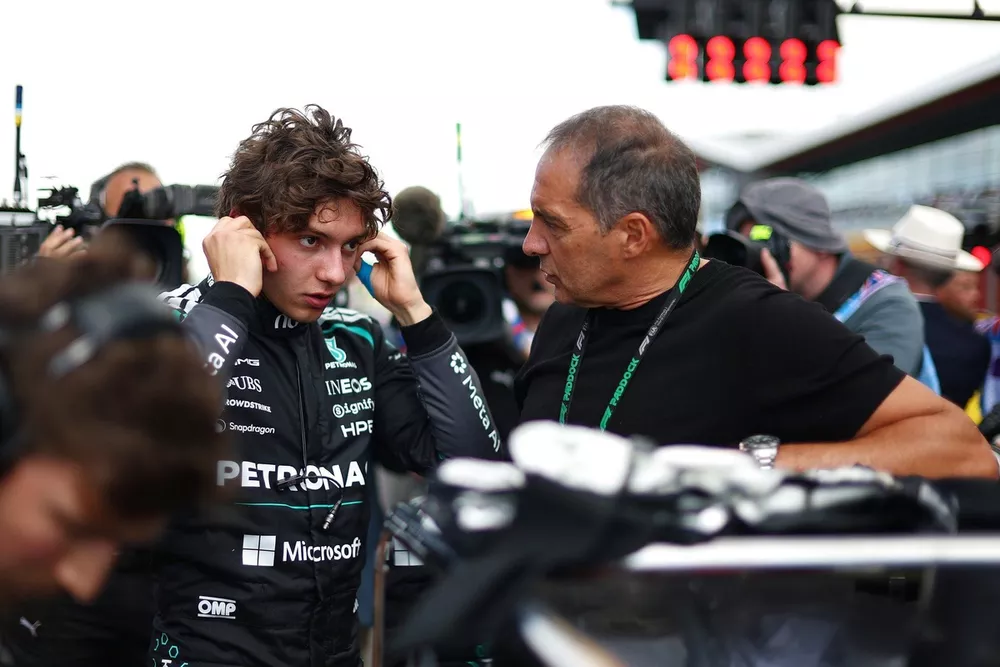
Juan Pablo Montoya has urged Formula 1 to reform its track limits regulations after Mercedes rookie Kimi Antonelli was handed a five-second penalty at the British Grand Prix, having repeatedly exceeded white-line boundaries while nursing a damaged car to the finish at Silverstone.
Antonelli had been running in contention to challenge Ferrari’s Charles Leclerc for victory when his Mercedes suffered a left-hand wheel shield failure in the closing stages. The loss of aerodynamic load severely compromised the car’s handling, forcing the Italian to pit and then battle to keep the stricken machine on track. The accumulated track limits strikes that followed resulted in a penalty that compounded an already difficult afternoon for the championship leader.
Speaking on the post-race F1 TV broadcast, Montoya argued that the current system fails to distinguish between deliberate advantage-seeking and involuntary excursions caused by mechanical failure. “If you do a track limit and you actually lose time by going wide, you shouldn’t really count as a track limit,” the Colombian said. “There should be a rule that says if you leave the track and you gain an advantage, it should count as a track limit. But if your car fails and you end up with penalties because your car failed, it shouldn’t really be a penalty.”
Mercedes team principal Toto Wolff acknowledged the complexity of the situation when speaking to media after the race. “I think for the FIA, certainly it’s always difficult to judge. Is the car so damaged that it should actually come in? In that case, I think the car was fine. It was just one feature that it was really difficult to turn. So I hope that they accept that situation, but I don’t know what the outcome will be.”
The incident has reignited a long-running debate in the paddock over how track limits are policed, particularly in circumstances where a driver is clearly not benefiting from going beyond the white lines. Montoya’s call for a context-sensitive approach — one that weighs whether an infringement actually delivered a competitive gain — reflects a view held by several within the sport, though any formal rule change would require FIA review.
Read also
-
 Formula 1 ·
Coulthard praises Russell for admitting Antonelli is outperforming him as title slips away
-
 Formula 1 ·
Racing Bulls rookie Lindblad nearly flips Guinness-record Fiat Panda in off-season YouTube stunt
-
 Formula 1 ·
Rosberg brands Williams 2026 campaign 'a shocker' as Vowles faces uphill recovery
-
 Formula 1 ·
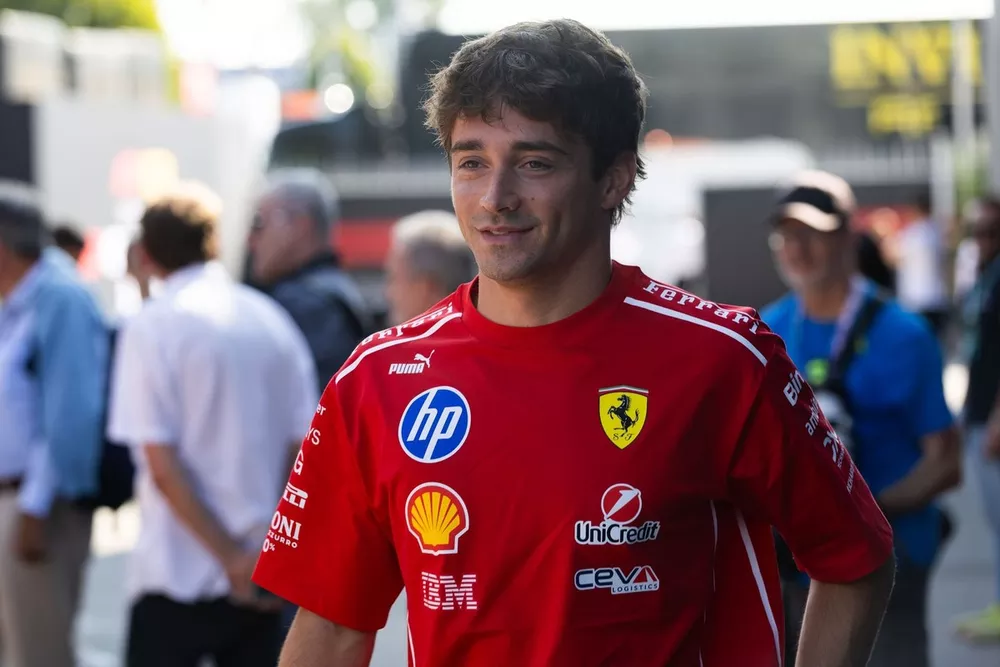
Ferrari unveils all-black race suit for Leclerc ahead of Singapore Grand Prix
-
 Formula 1 ·
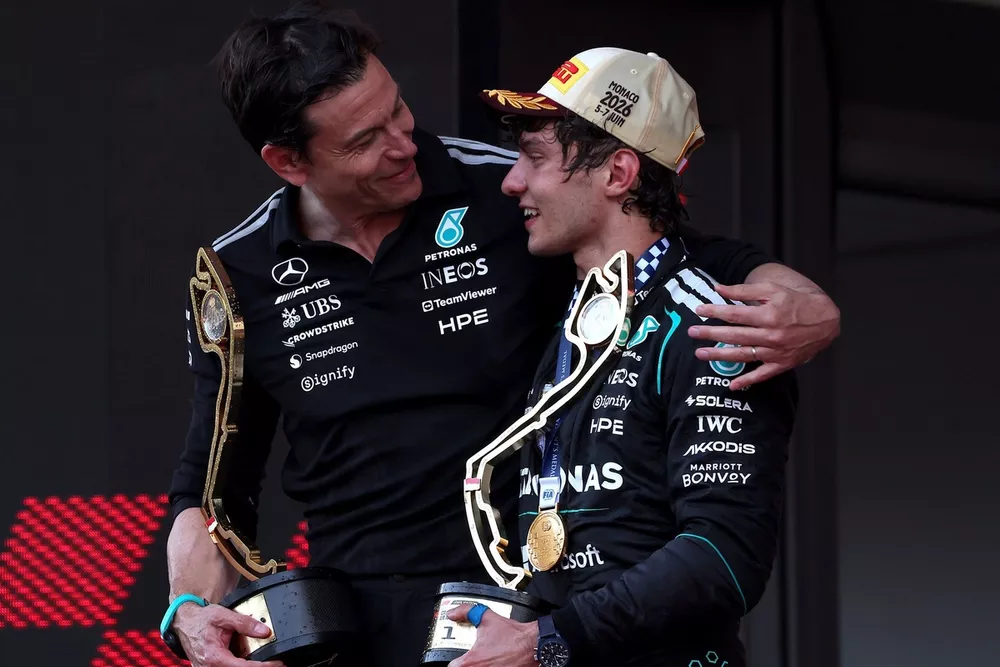
Szafnauer backs Wolff's Antonelli gamble as teenager leads standings by 81 points
-
 Formula 1 ·
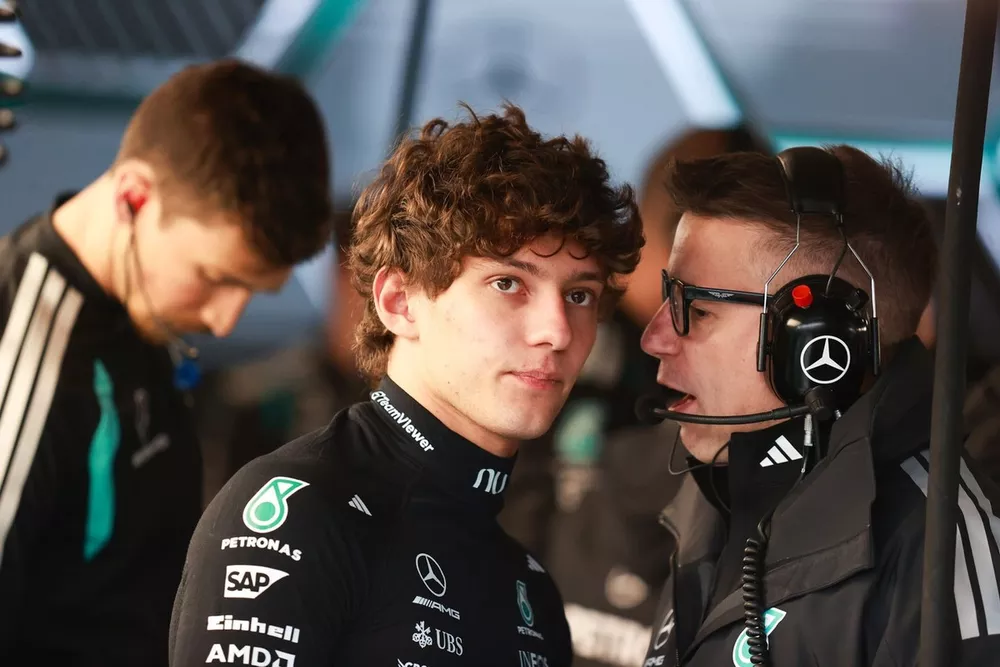
Smedley credits Bonnington as the force steadying Antonelli's 81-point F1 title lead
 Scotland U17 W