Mbappé exits with ankle injury against Morocco but remains optimistic
Author of the decisive goal and his 8th tournament strike against Morocco (2-0), Kylian Mbappé left the field in the 75th minute after a blow to his right ankle. The France captain downplayed his injury in the mixed zone.
1 min read
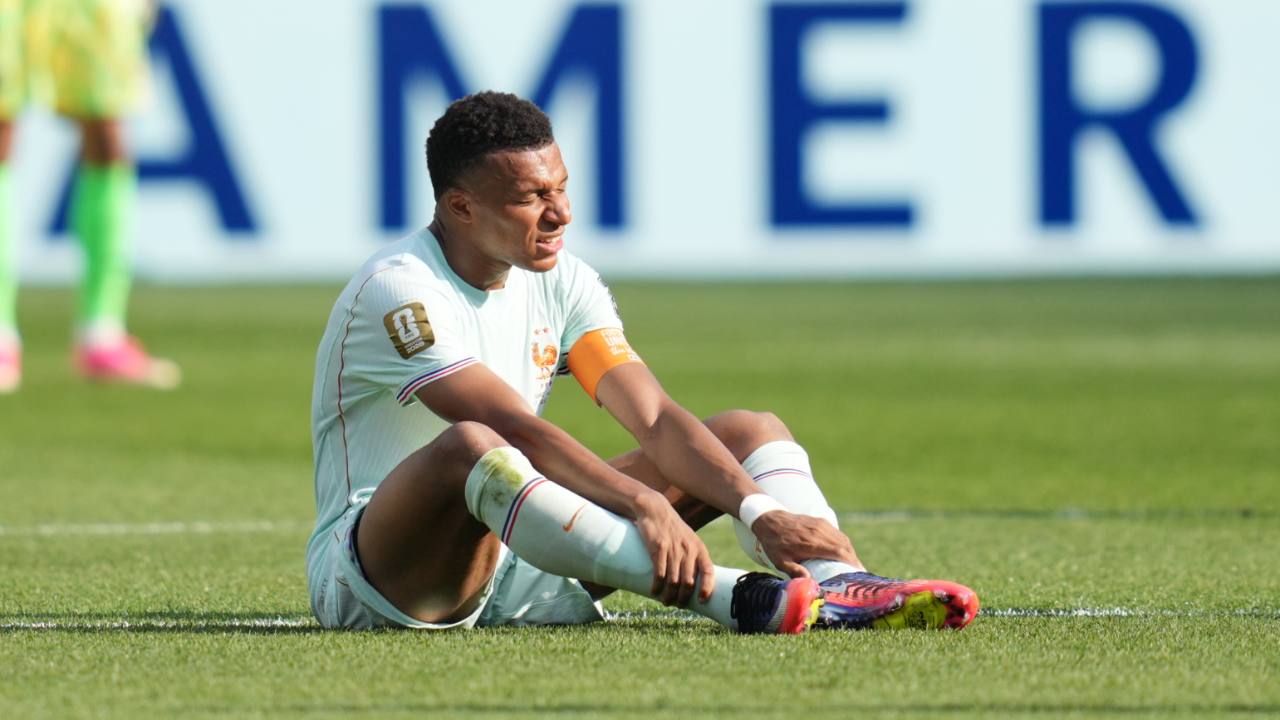
Kylian Mbappé was forced to leave the field in the 75th minute of the World Cup quarter-final won by France against Morocco (2-0) on Thursday at Boston Stadium, after taking a hard blow to his right ankle. Replaced by Jean-Philippe Mateta, the Real Madrid striker returned to the bench grimacing, with an ice pack fixed to the joint, immediately raising doubts about his availability for the semi-final.
The evening had nonetheless been eventful for the France captain. In the first half, Mbappé saw his penalty saved by Yassine Bounou, a rare failure for the striker in this exercise. He made amends around the hour mark by unlocking the situation with a clinical strike, before Ousmane Dembélé doubled the lead moments later. This eighth goal in the tournament also allowed him to surpass the 20-goal mark in World Cup knockout stages, a historic milestone.
The first reports from the dressing room proved reassuring. Mbappé himself downplayed the severity of the impact. “I took a blow to the ankle, but I’m fine. At that moment, Jean-Philippe Mateta was more fit than me to play the last 15 minutes,” he said after the match.
Didier Deschamps confirmed this cautious but optimistic reading of the situation. “Kylian had a bit of ankle trouble, he was feeling some pain,” the manager said. The ankle will be closely monitored over the next 48 hours, but the French staff appears confident: barring complications, Mbappé should be able to play in the semi-final, scheduled for five days’ time.
Read also
-
 Football ·
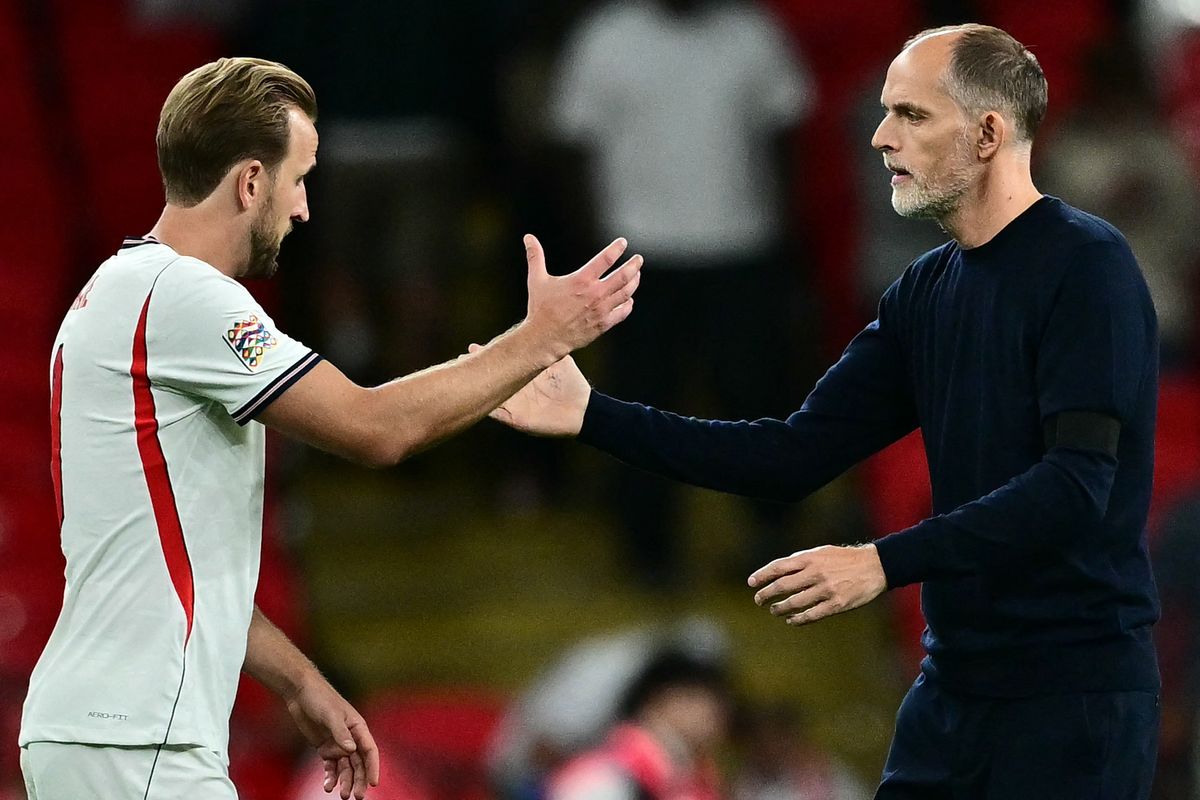
Tuchel warns England will never replace Kane as striker closes in on 100 goals
-
 Football ·
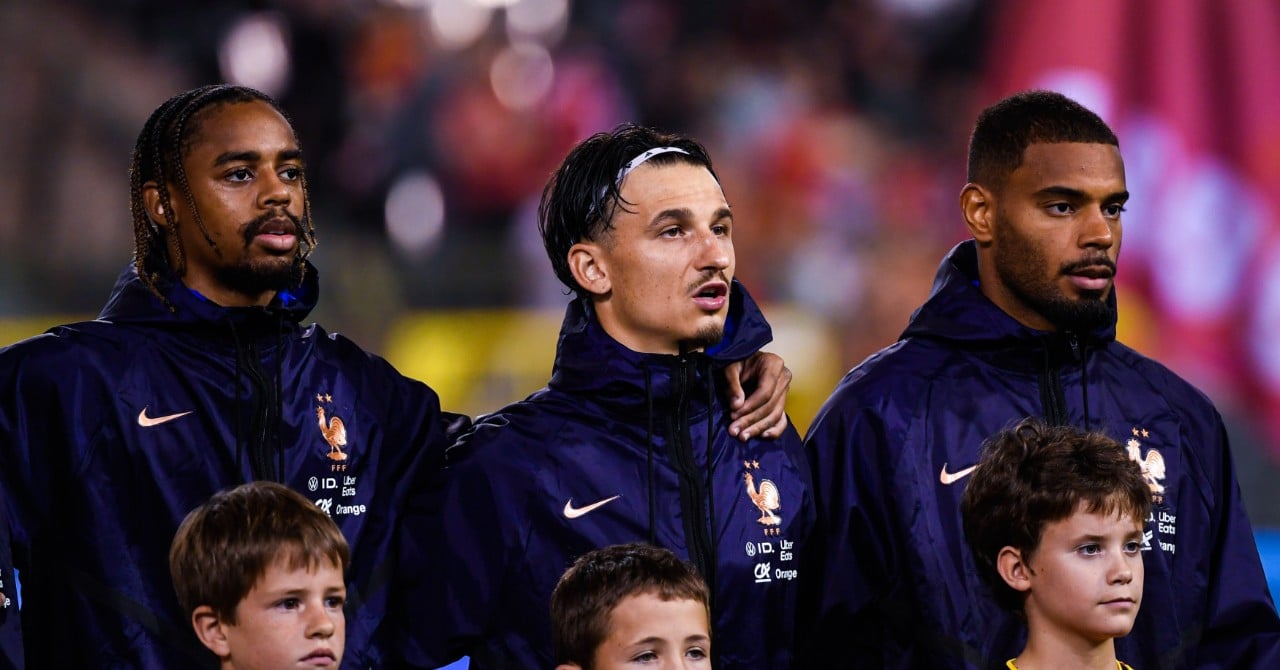
French national anthem booed in Belgium: France supporters call for respect of anthems
-
 Football ·
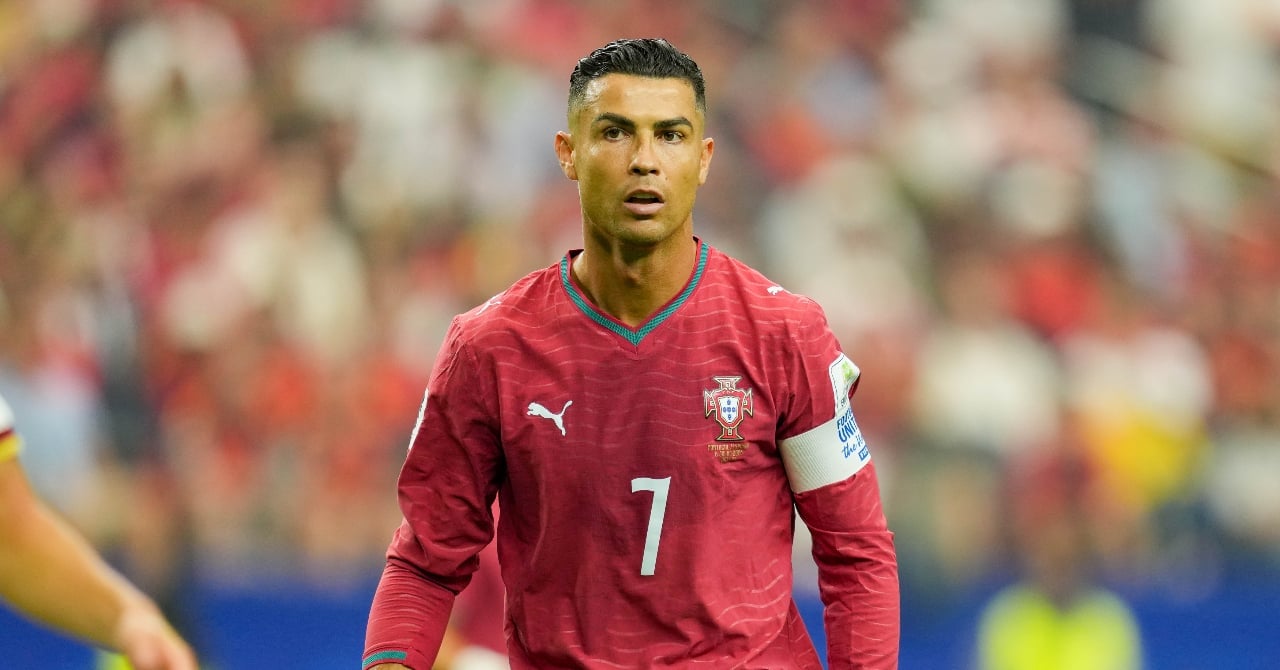
Ronaldo leaves Portugal training on eve of Denmark match
-
 Football ·
Klopp rules out expecting new Premier League titles after Man City's guilty verdict
-
 Football ·
Klopp walks back title celebration talk after Man City guilty verdict
-
 Football ·
Burnham vows to keep distance from UAE over Man City appeal after guilty verdict
 Argentina