Man United return to Champions League as City seek redemption in Thursday's group-stage draw
Manchester United and Manchester City will learn their 2026/27 UEFA Champions League opponents on Thursday when the league-phase draw takes place at 5pm UK time. United are back in Europe's premier competition for the first time in three years.
1 min read
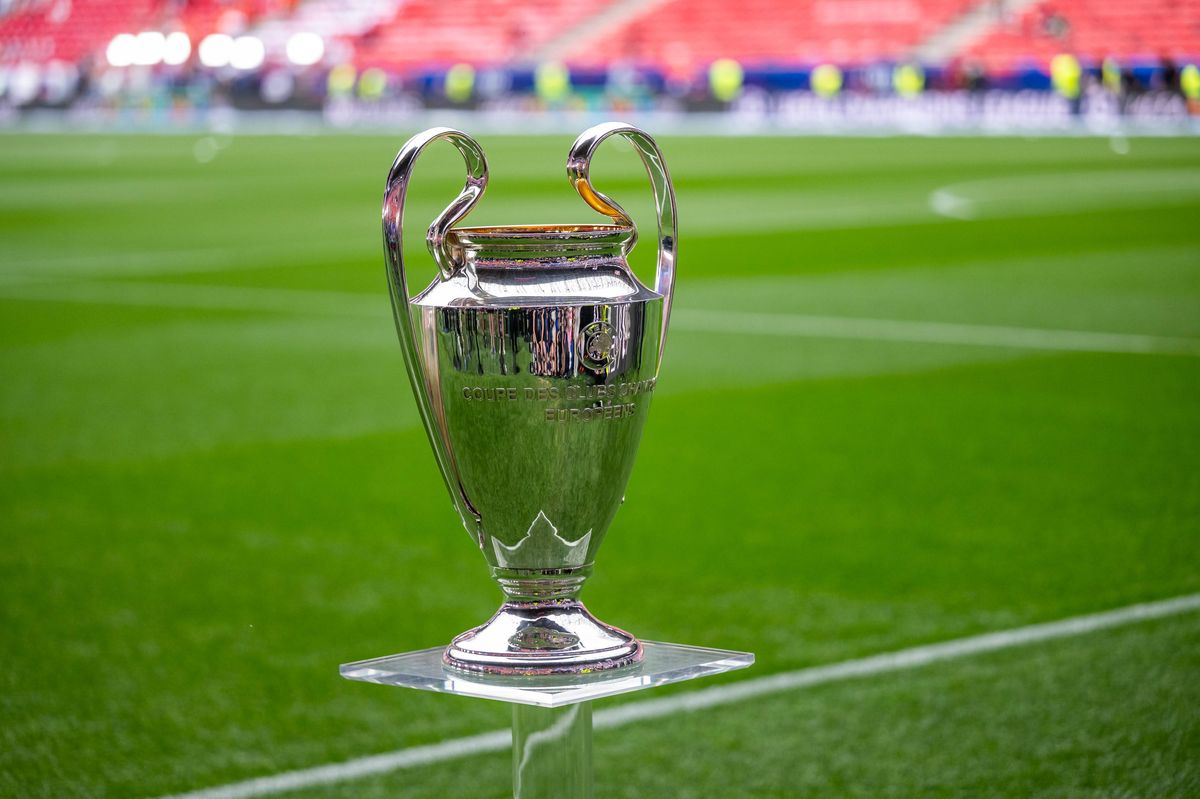
Manchester United and Manchester City will discover their UEFA Champions League group-stage opponents on Thursday, 27 August, when the 2026/27 league-phase draw ceremony begins at 5pm UK time (6pm CET).
For United, the draw marks a significant moment: it is the club’s first appearance in the Champions League for three years. Their recent record in the competition has been patchy at best — they failed to advance past the group stage in both the 2020/21 and 2023/24 campaigns, finishing bottom of their group in the latter. Their most encouraging recent run came in 2021/22, when they reached the round of 16 before Atlético Madrid ended their campaign.
City arrive in a very different position. Pep Guardiola’s side have been a constant presence in the knockout rounds across the same period, and they claimed their first Champions League title in 2022/23 by defeating Inter Milan in Istanbul. They were runners-up in 2020/21 and reached the semi-finals in 2021/22, though Real Madrid have repeatedly proved their nemesis — eliminating City in the semi-finals that year, the quarter-finals in 2023/24 on penalties, and the round of 16 in 2025/26.
The draw ceremony is free to watch online via UEFA’s official YouTube channel, UEFA.com, and the official UEFA Champions League mobile app, meaning no paid subscription is required to follow the proceedings live.
Read also
-
 Football ·
Richarlison accuses Senator Flavio Bolsonaro of seizing his £1.5m private island without payment
-
 Football ·
Mourinho demands clear footage before responding to Sevilla's complaint over Güler
-
 Football ·
Maddison ends 536-day absence with wonder goal as Spurs climb off the bottom
-
 Football ·
Named world's best referee, Turpin pays tribute to 25,000 French referees
-
 Football ·
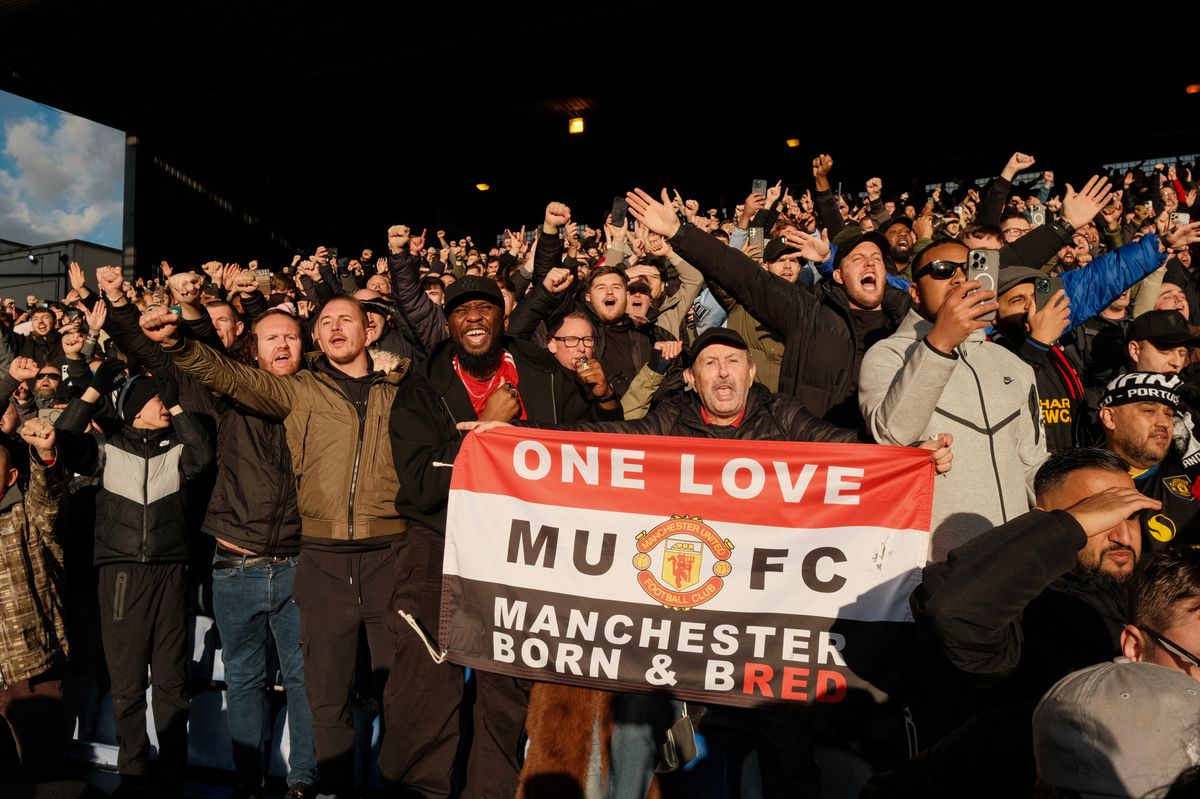
Man United fans face travel chaos as Crystal Palace clash handed rare 7pm Sunday kick-off
-
 Football ·
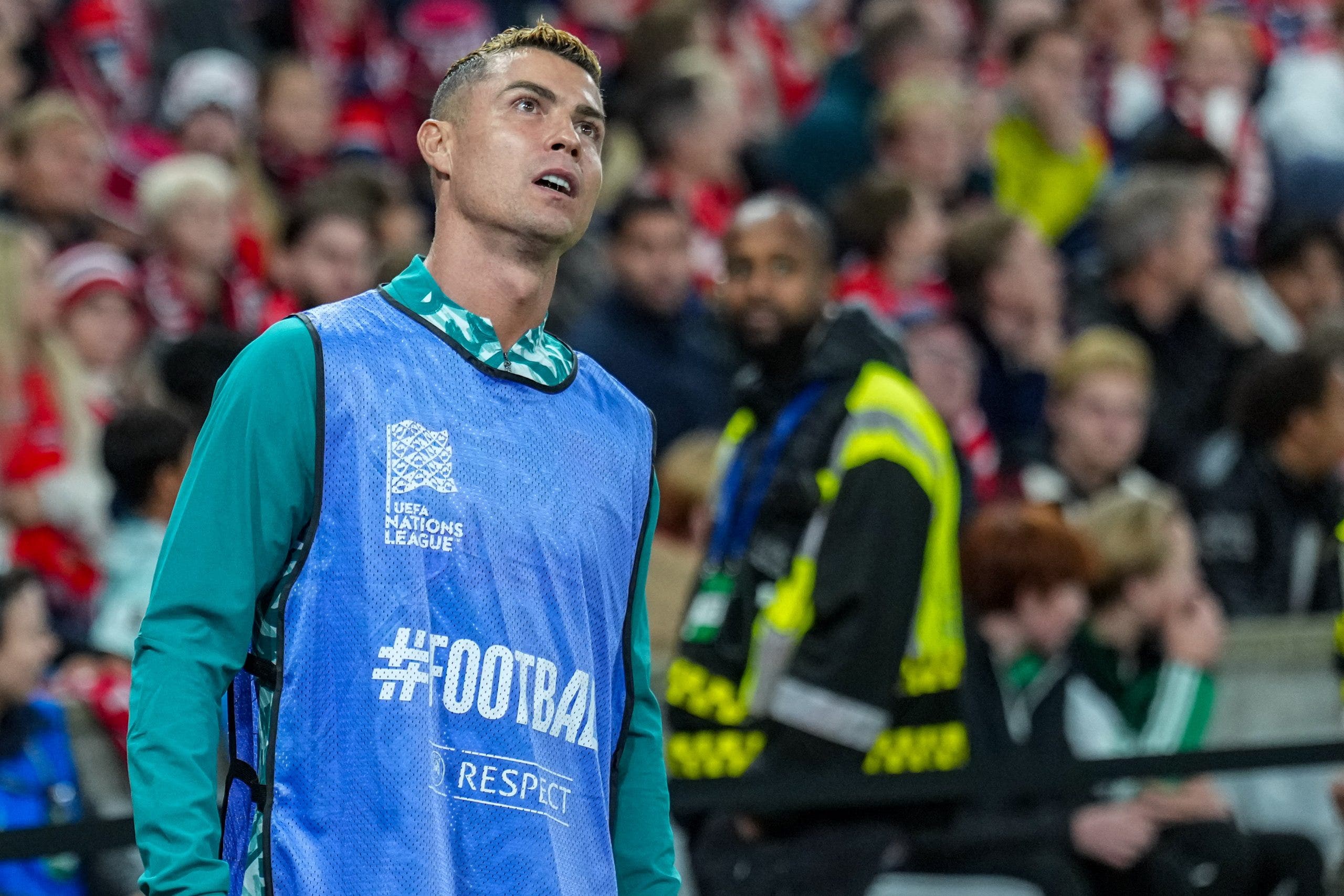
Ronaldo handed 30-day suspension and fine by Portugal for walking out of camp
 Argentina U17 W