Lens draws Manchester City and Liverpool but can believe in Champions League qualification
During the league phase draw in Monaco, RC Lens drew Manchester City and Liverpool, but also opponents within reach. For the fourth time in its history in the Champions League, the Artois club aims for a first passage through the first round.
1 min read
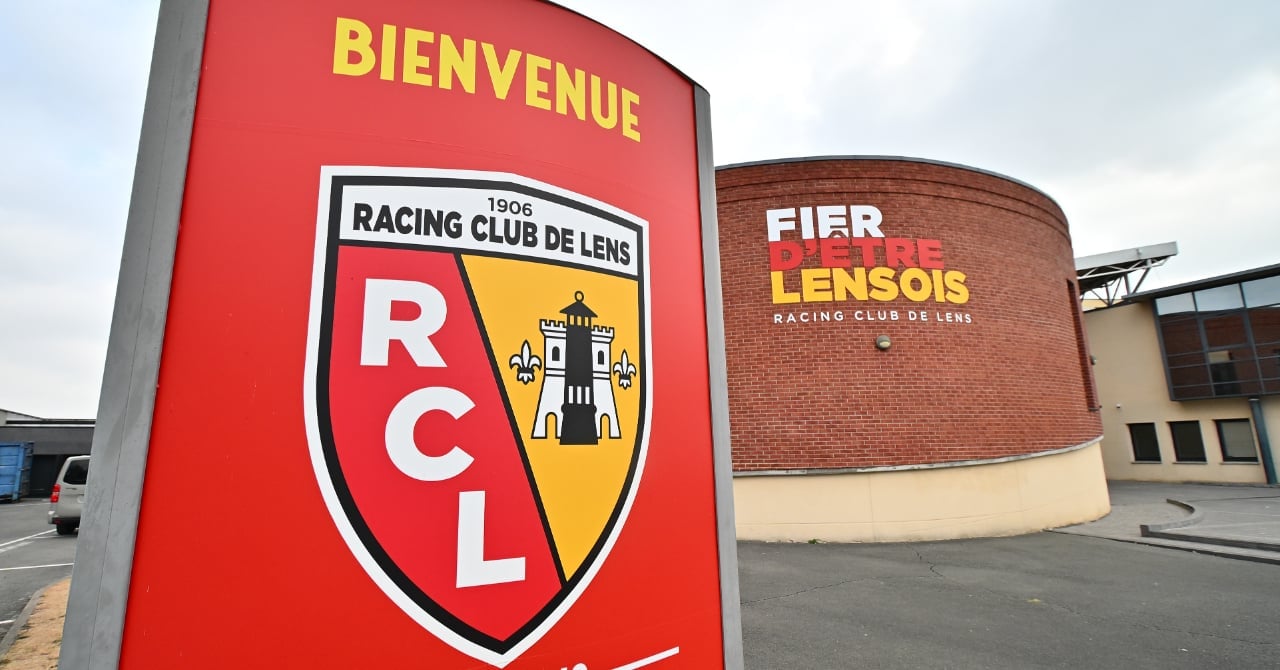
RC Lens knows its schedule for the Champions League league phase: the Sang et Or will face Manchester City and Liverpool, but also six teams that suggest a realistic qualification. The draw was held Thursday evening in Monaco.
The presence of the two Premier League giants constitutes the main challenge of Lens’s calendar. Lens will host Manchester City at Bollaert and travel to Anfield to face Liverpool — two confrontations that will serve as full-scale tests for Florian Thauvin’s side.
But the rest of the schedule proves far more manageable. At home, Lens will welcome Sporting Portugal, Bodo/Glimt and Como. Away, the Artésiens will travel to Club Bruges, RB Leipzig and Slavia Prague — opponents against which a well-organized Ligue 1 team can legitimately aspire to points.
The historical stakes are real: Lens is competing in its fourth Champions League, but has never advanced past the first phase of the competition. The three previous participations — in 1998, 2002 and 2023 — all ended in elimination in the group stage. This edition, played in the new single-league format, offers Racing a different structure and, potentially, an unprecedented opportunity to go further.
RC Lens’s complete league phase schedule:
RC Lens – Manchester City
Liverpool – RC Lens
Club Bruges – RC Lens
RC Lens – Sporting Portugal
RB Leipzig – RC Lens
RC Lens – Bodo/Glimt
RC Lens – Como
Slavia Prague – RC Lens
Read also
-
 Football ·
Richarlison accuses Senator Flavio Bolsonaro of seizing his £1.5m private island without payment
-
 Football ·
Mourinho demands clear footage before responding to Sevilla's complaint over Güler
-
 Football ·
Maddison ends 536-day absence with wonder goal as Spurs climb off the bottom
-
 Football ·
Named world's best referee, Turpin pays tribute to 25,000 French referees
-
 Football ·
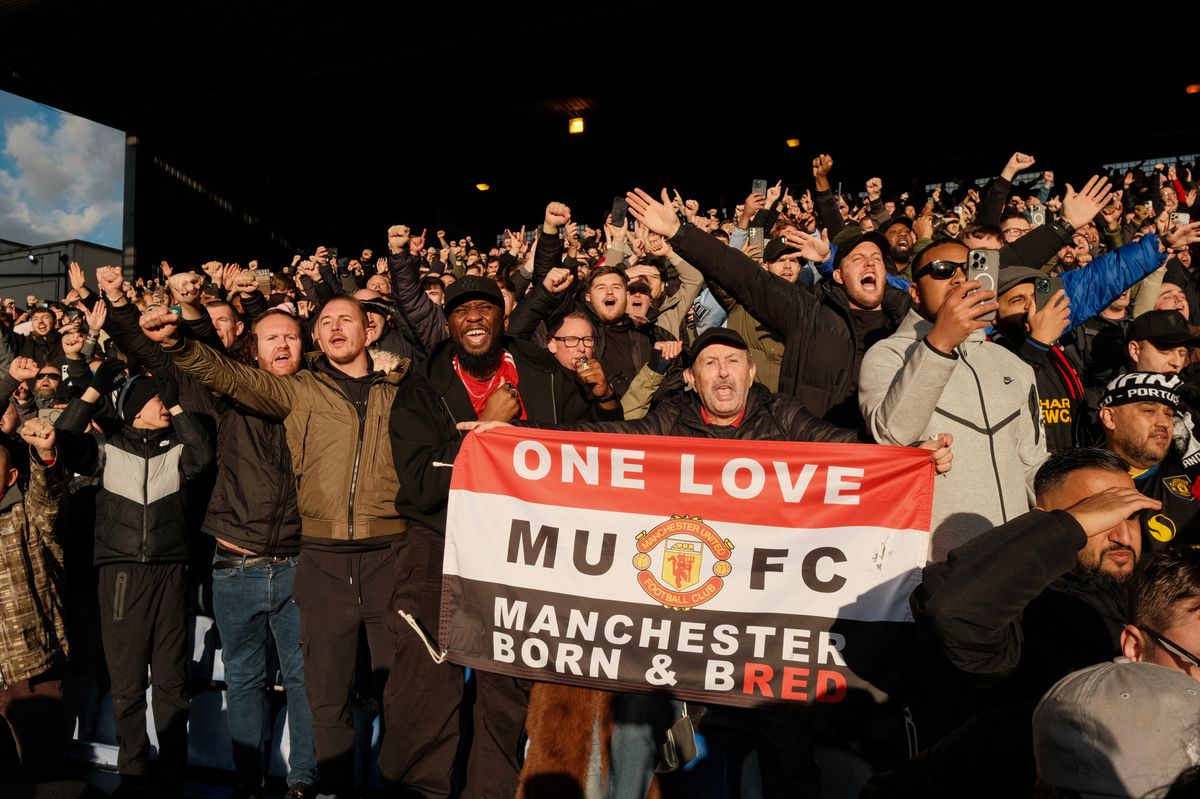
Man United fans face travel chaos as Crystal Palace clash handed rare 7pm Sunday kick-off
-
 Football ·
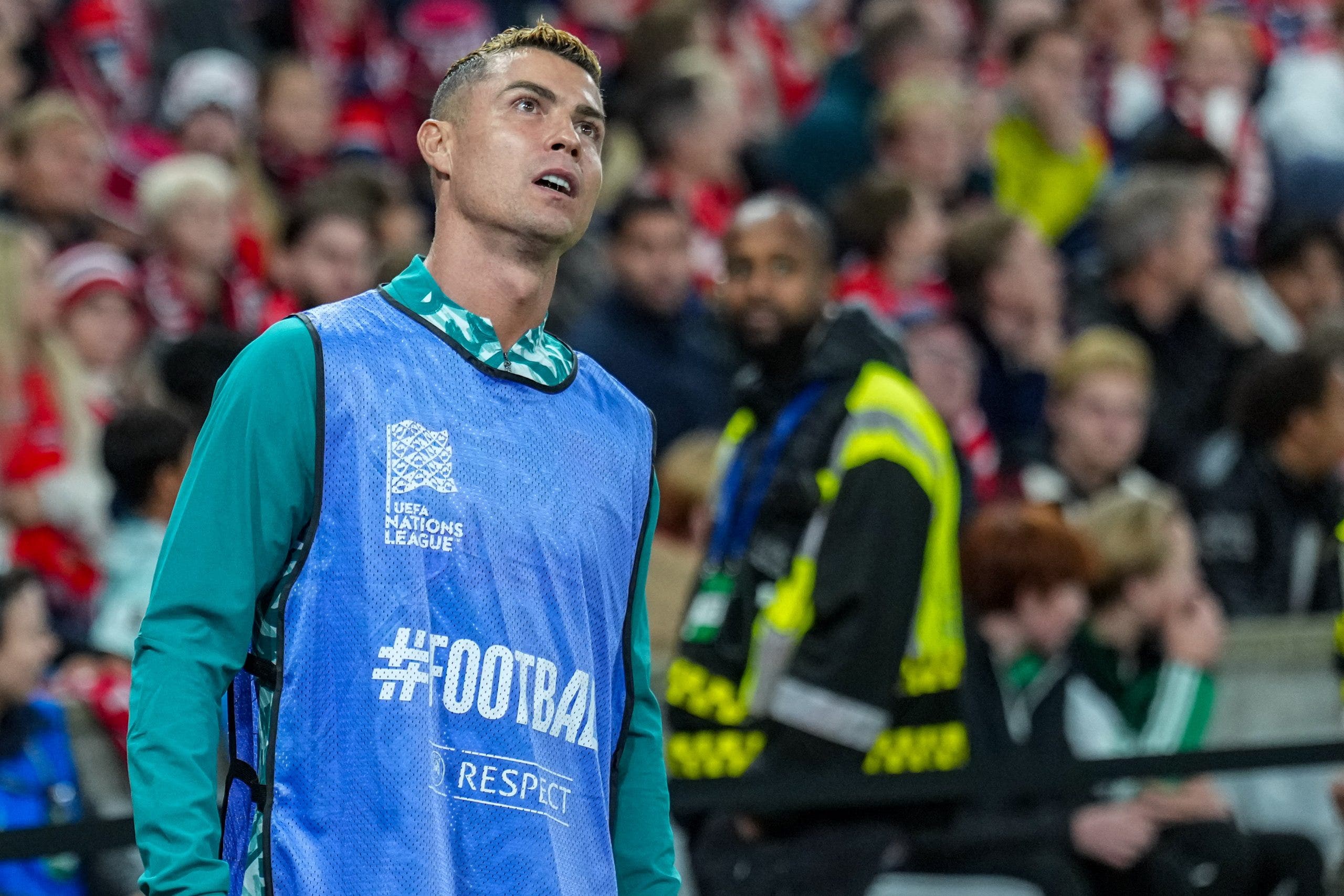
Ronaldo handed 30-day suspension and fine by Portugal for walking out of camp
 Argentina U17 W