Fred slams ten Hag as "real bastard" and denounces favouritism towards Dutch players
In a Brazilian podcast, Fred, former Manchester United midfielder now at Atlético Mineiro, settles scores with Erik ten Hag: permanent conflicts with players, unfair sidelining and clan-based management according to him.
1 min read
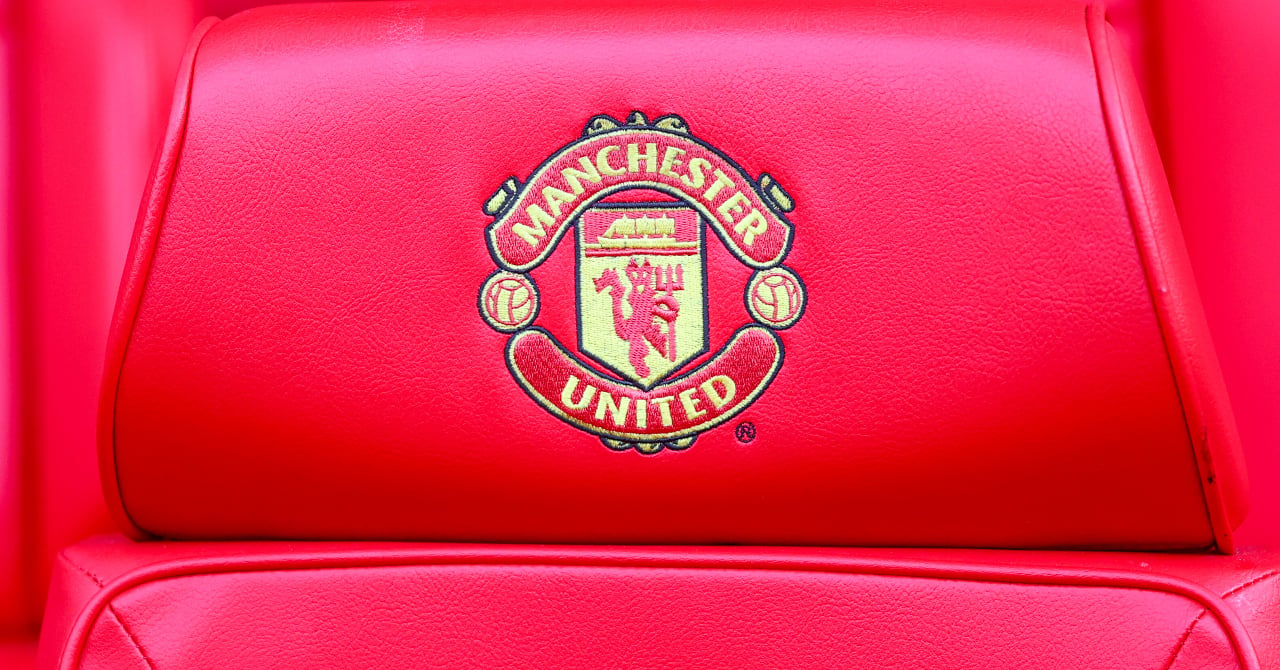
Fred, former Manchester United midfielder now at Atlético Mineiro, strongly criticised Erik ten Hag in an interview with the podcast Charla, calling the Dutch manager a “real bastard” and accusing him of running the Red Devils dressing room like a clan.
The Brazilian first acknowledged his former manager’s tactical qualities: “Tactically, one of the best I’ve ever worked with.” But he immediately tempered that assessment. “With the group, he was a real bastard. He argued with everyone. He argued with me, with Cristiano [Ronaldo], with Casemiro, with [Marcus] Rashford.”
Fred also reproached ten Hag for open favouritism towards his compatriots: “Only his Dutch players played. He was a manager who lived in a clan.” The attacking midfielder also mentioned the stress caused by his repeated sidelining.
These statements echo those of Cristiano Ronaldo, who himself criticised the manager’s attitude in a lengthy interview with journalist Piers Morgan before leaving the club mid-season in 2022-23 to join Al-Nassr.
Erik ten Hag managed Manchester United from 1 July 2022 to 28 October 2024, overseeing 128 matches. He won two trophies — the League Cup in 2023 and the FA Cup in 2024 — before being sacked, despite a respectable record by recent club standards. Since the end of Sir Alex Ferguson’s era, Manchester United has struggled to find lasting stability, cycling through managers without managing to rebuild a coherent project.
Read also
-
 Football ·
Ronaldo publicly endorses his supporters and reignites Portugal crisis
-
 Football ·
Ngumoha reveals Salah's parting advice to him before leaving Liverpool
-
 Football ·
Shevchenko's son drops to seventh tier with Sholing after Chelsea and Tottenham exits
-
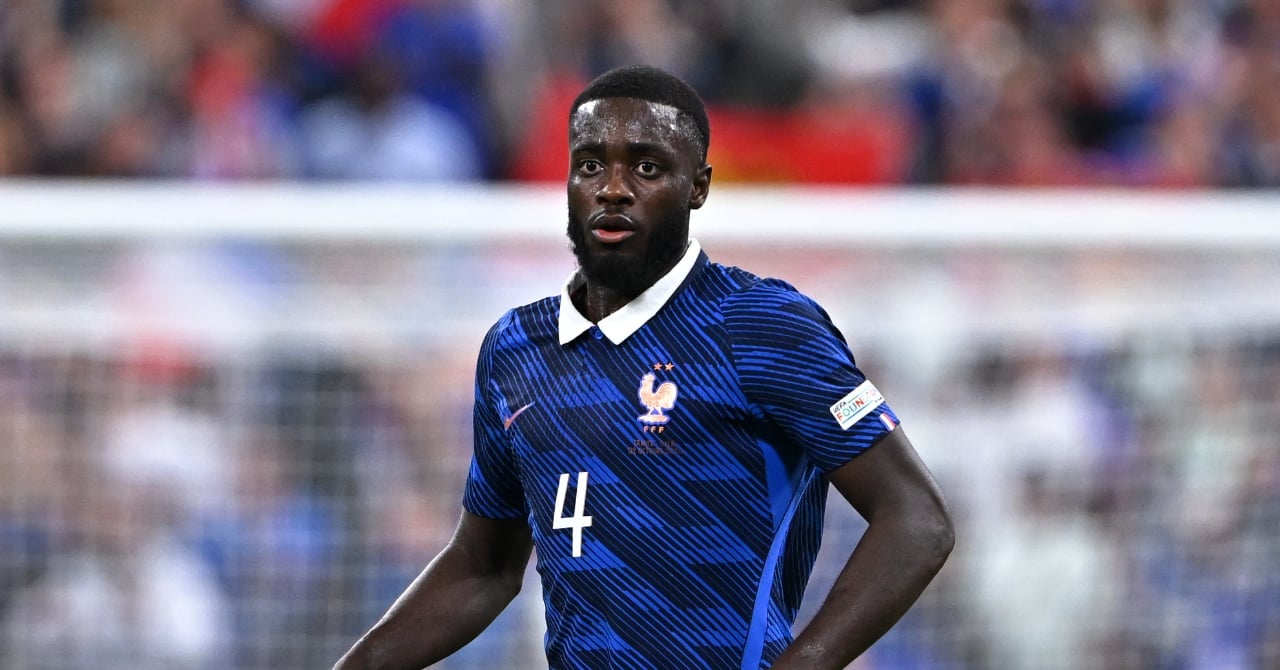 Football ·
Sent off against Italy, Upamecano leaves France squad before Belgium match
-
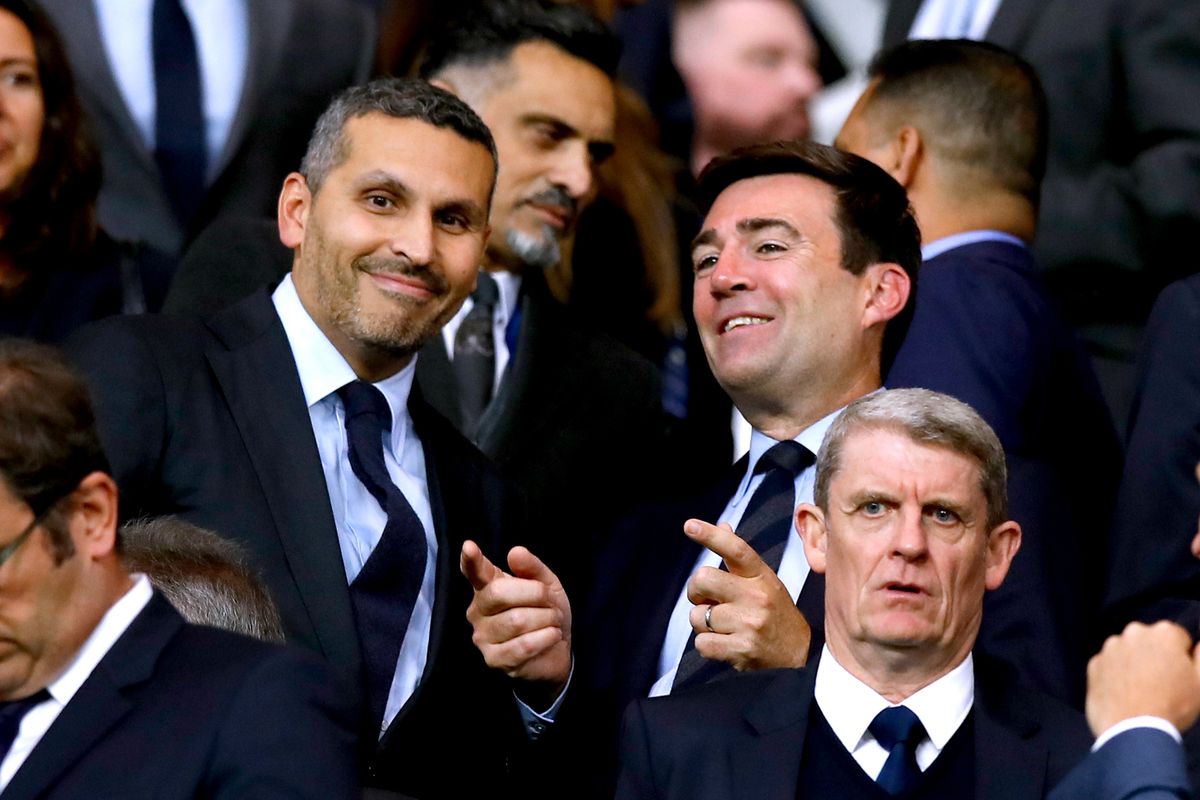 Football ·
Etihad statement and whistleblower threats cast shadow over Man City's 115-charge appeal
-
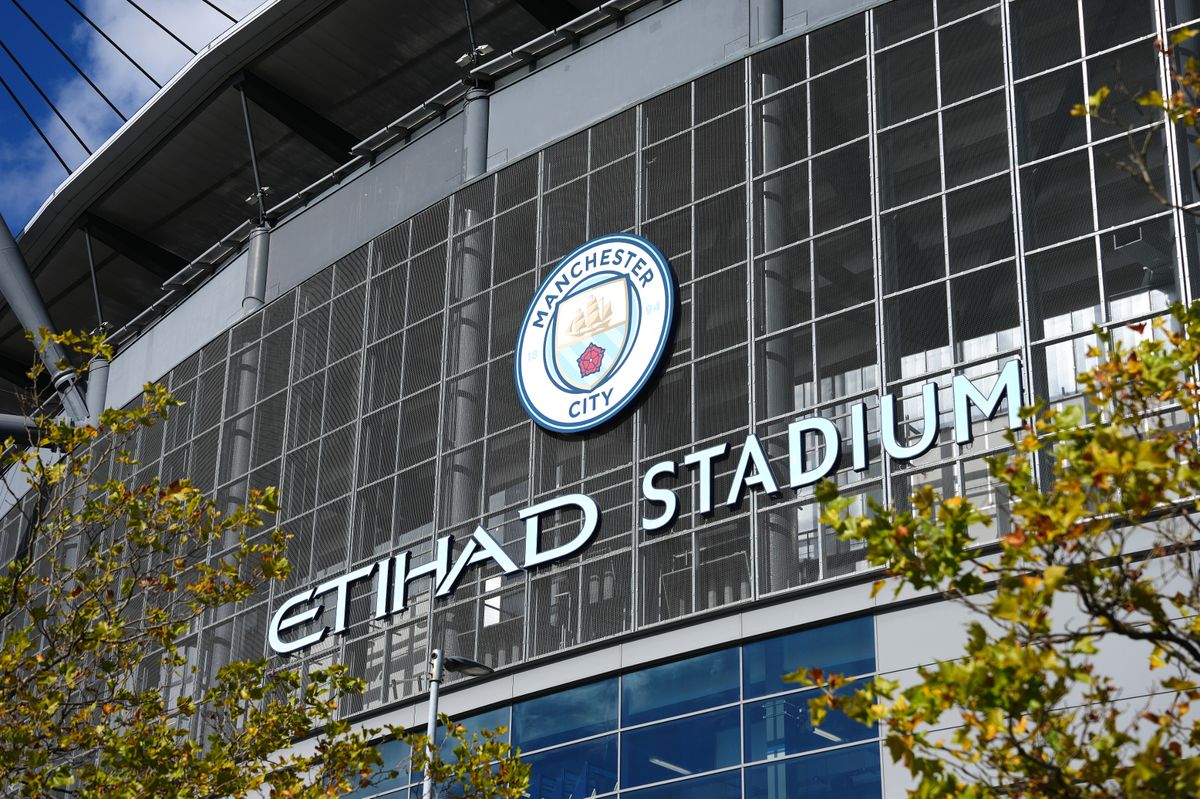 Football ·
Etihad's 2015 denial of Abu Dhabi subsidies threatens to undermine Man City's appeal
 Russia