FIA identifies software bug behind Malaysian GP chaos and outlines two-stage fix
The FIA has completed its investigation into the power failure that halted half the field during the Malaysian Grand Prix, tracing the cause to a software bug in the 250kW wet-weather restrictions. A temporary fix will carry over to Singapore, with a permanent update due in Austin.
2 min read
The FIA has concluded its investigation into the power-unit chaos that disrupted the opening phase of the Malaysian Grand Prix at Sepang, identifying a software bug in the sport’s wet-weather power restrictions as the root cause and outlining a two-stage plan to prevent a recurrence.
The governing body confirmed that cars running at low engine RPM in certain circuit sectors — where a 250kW power reduction was applied — experienced a loss of power beyond the intended limit that could not be recovered within those sectors. In practice, the bug caused electric motors to enter a lock-down mode in the slowest parts of the circuit. With no electric power available to offset turbo lag, drivers found their cars unresponsive when they pressed the throttle, bringing roughly half the field to a standstill behind the safety car.
The FIA responded during the race with an emergency software update sent to all teams and manufacturers, lifting the 250kW restrictions in the affected minisectors to allow the restart to proceed.
For the Singapore Grand Prix, the FIA will apply the same temporary configuration used at Sepang should similar wet-weather conditions arise. A more permanent update to the wet-weather software is then scheduled to be introduced ahead of the United States Grand Prix in Austin on 25 October.
“As a result, the configuration established for the Sepang event will be reinstated for the Singapore Grand Prix should similar weather conditions be expected,” the FIA said in its statement. “Additionally, a further update to the wet weather software will be released for the United States Grand Prix on October 25.”
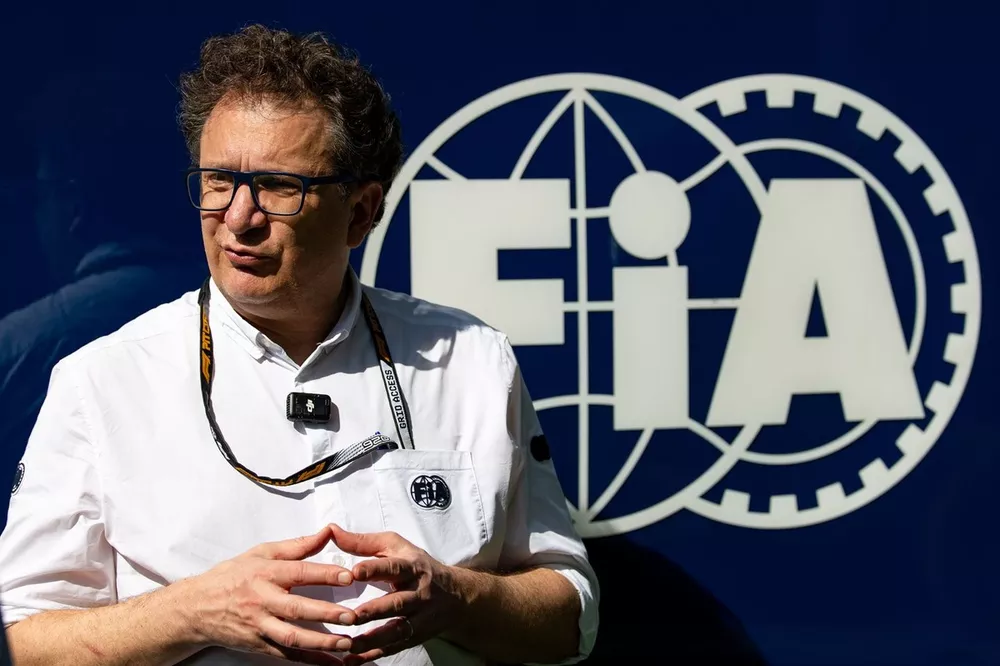
FIA single-seater director Nikolas Tombazis, who addressed the media immediately after the Malaysian race, acknowledged the severity of the failure while stopping short of offering a blanket guarantee against future issues with the highly complex 2026 power units.
“Obviously, that was a major criticality and we need to make sure we avoid it. But can I guarantee it will never happen again? This specific problem, yes. A problem, no. But we will do our best to avoid it, of course,” Tombazis said.
Tombazis also indicated that insufficient wet-weather testing had contributed to the bug going undetected before the season, a concern that will likely intensify scrutiny of the FIA’s pre-season validation processes as the 2026 regulations continue to bed in.
Read also
-
 Formula 1 ·
Russell steps back to older spec as Mercedes splits garage for Singapore GP
-
 Formula 1 ·
Williams Racing sues garage owner for £1m after historic FW23 chassis vanishes
-
 Formula 1 ·
Mercedes to split garage specs at Singapore after Malaysia upgrade disaster
-
 Formula 1 ·
Dolby Atmos arrives for F1 fans as Apple TV upgrades United States Grand Prix coverage
-
 Formula 1 ·
Zak Brown optimistic Lambiase will leave Red Bull for McLaren in 2027
-
 Formula 1 ·
Verstappen says Red Bull is calmer and less stressful since Horner's departure