FIA explains software bug that halted F1 cars on formation lap at Malaysian GP
A software glitch in Formula 1's new hybrid power units caused multiple cars, including those of Max Verstappen and Lewis Hamilton, to lose throttle response during the formation lap in Sepang, delaying the Malaysian GP by over 50 minutes.
2 min read
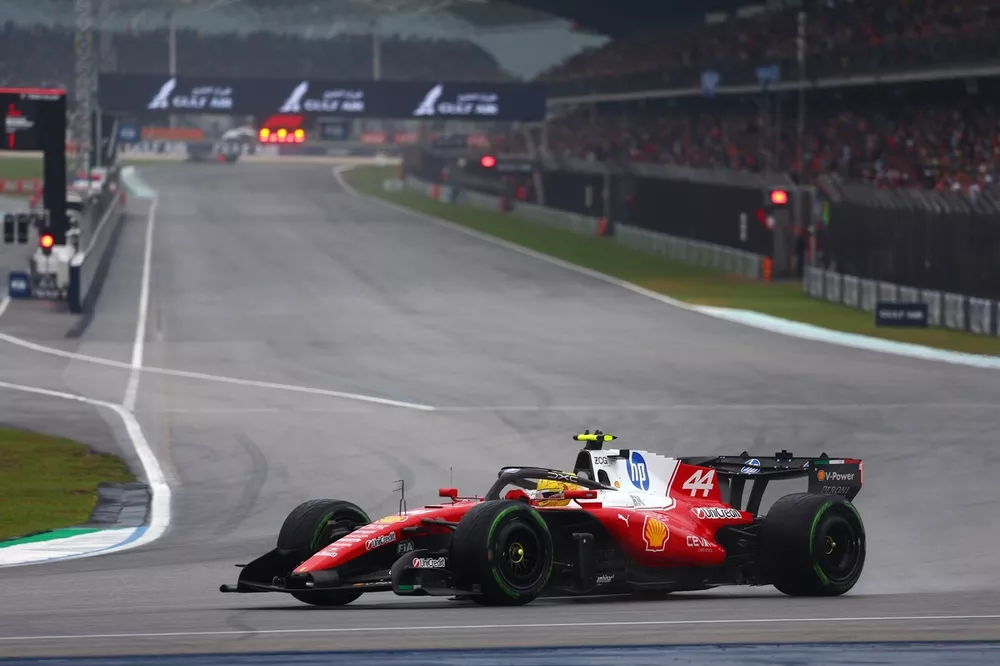
A software bug in Formula 1’s new-generation power units brought several cars to a standstill during the formation lap of the Malaysian Grand Prix at Sepang, the FIA has confirmed, forcing a 53-minute delay before the race could get underway.
Front-row starters Max Verstappen and Lewis Hamilton were among the drivers affected when throttle input became ineffective as cars slowed to a near-halt during the lap. The red flag was shown, and the FIA’s technical team had to issue an emergency software update to all teams before racing could begin — a process that took roughly 20 minutes once the fault was identified.
FIA single-seater director Nikolas Tombazis attributed the failure to a lack of wet-weather running with the 2025 cars, which feature 47% electrical power. The power unit’s software had not been tested under the conditions created by the concertina effect of cars crawling through standing water at Sepang.
“We didn’t manage to test the software as extensively as we would have liked, because there’s been very little wet running this year,” Tombazis said. “Basically, the formation lap, some cars went very slowly, almost came to a standstill. There was a bit of a concertina effect between cars, and some cars almost stopped completely. And that bug prevented the power to be redeployed and for the cars to start again.”
Tombazis defended the speed of the FIA’s response once the problem was diagnosed. “Once the problem happened, our guys realised very quickly what was happening and had to work under a lot of time pressure for an update to the software, which was issued to the teams, and the teams had to install it on their cars,” he said. “It may have felt like five hours for spectators waiting for a race, which is understandable, and we are sorry about that. But I think it was quite a fast reaction given the problem.”
The incident drew sharp criticism from several drivers. Sergio Perez called the situation “unacceptable”, while Lando Norris described it as “just horrible”, arguing it highlighted the risks of the sport’s growing reliance on electronics.
Not every driver was aggrieved. Fernando Alonso, who finished eighth in what proved an unusually strong result for Aston Martin-Honda, offered a wry take: “I had 50% DNFs this year, they never stopped the race for us.”
Read also
-
 Formula 1 ·
Slick tyre gamble at Sepang costs McLaren and Ferrari in Bahrain GP restart
-
 Formula 1 ·
Verstappen slams F1's 'LEGO power' after software glitch mars his 72nd victory in Bahrain GP
-
Formula 1 ·
FIA admits software bug left Verstappen and Hamilton stranded in Malaysia formation lap chaos
-
 Formula 1 ·
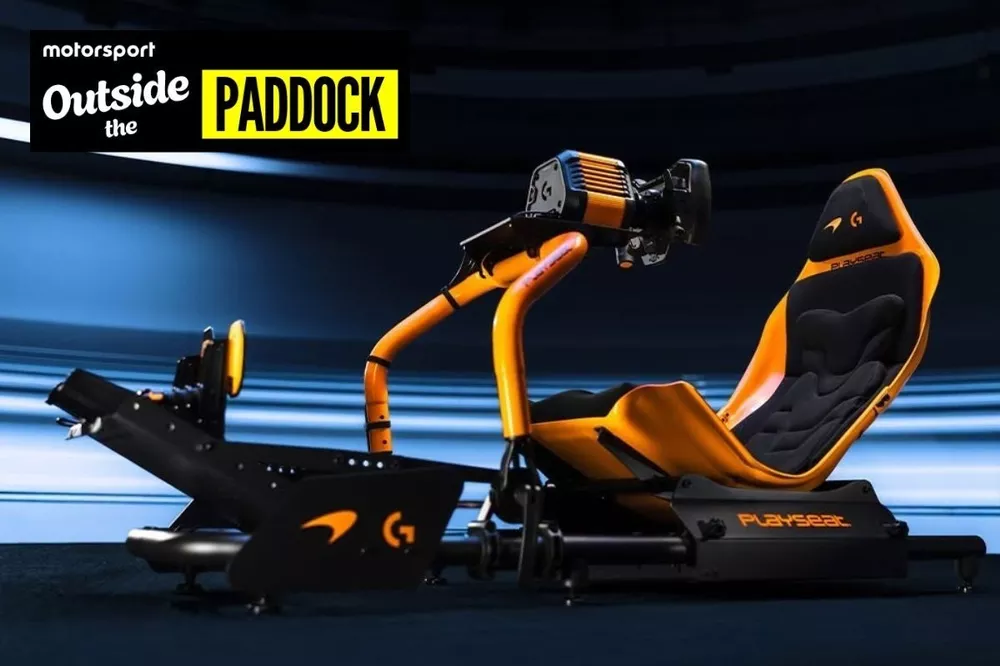
McLaren and Logitech unveil $900 sim racing bundle styled on the MCL38
-
 Formula 1 ·
Antonelli stretches championship lead to 84 points as Russell suffers engine failure in Malaysia
-
 Formula 1 ·
Norris salvages two points in Bahrain as McLaren's speed deficit costs him two-tenths per lap