F1 confirms 3.0-litre V8 turbo direction for 2030 engine rules as NA option dropped
Formula 1 stakeholders have agreed on the core elements of the 2030 engine regulations, centring on a turbocharged 3.0-litre V8 with a simplified 100kW electric motor. A naturally aspirated option was ruled out partly due to noise restrictions at street circuits including Melbourne, Miami and Singapore.
1 min read
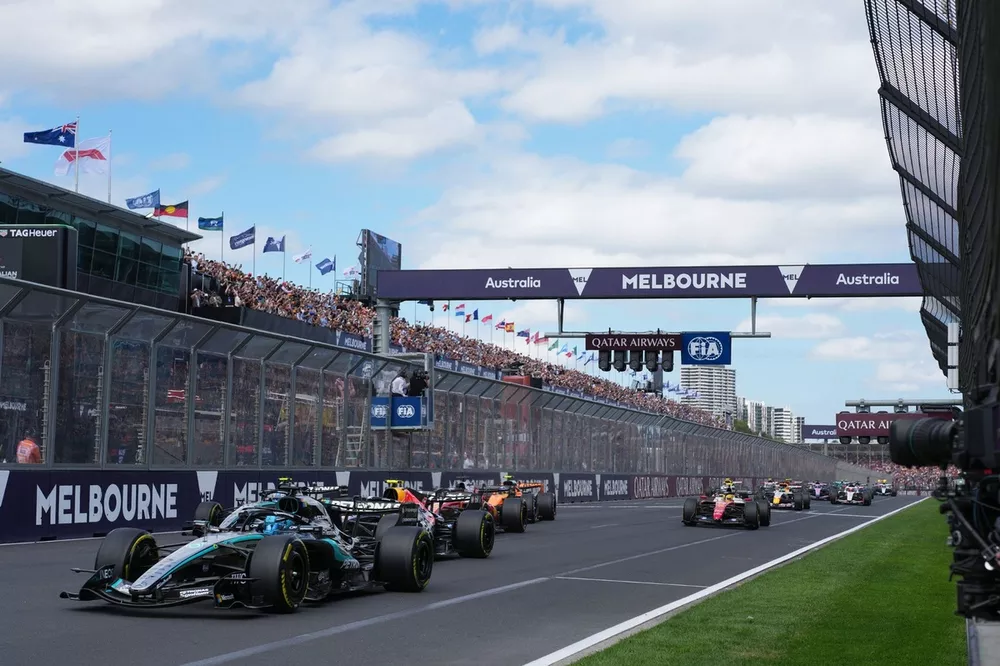
Formula 1 is set to adopt a turbocharged 3.0-litre V8 power unit from 2030, after the FIA and engine manufacturers reached a substantial agreement on the key elements of the sport’s next engine regulations. The new architecture will pair the V8 with a significantly simplified 100kW electric motor — a sharp reduction from the 350kW hybrid systems used in the current generation of power units.
A naturally aspirated V8 had been under serious consideration and would have produced the kind of thunderous exhaust note associated with the early 2000s era. However, that option was ultimately set aside, with noise restrictions at street circuits playing a decisive role in the decision. Venues including Melbourne, Miami, Madrid, Singapore, Baku and Las Vegas all operate under noise-emission limits, and a naturally aspirated 3.0-litre V8 would have generated sound levels that could have threatened the future of those events.
Retaining a smaller turbocharger is seen as a workable compromise: it should still allow the new power units to be noticeably louder than the current hybrid engines, while remaining within the thresholds enforced at noise-sensitive circuits.
The broader philosophy behind the 2030 rules is a return to simplicity. The direction emerging from ongoing discussions between the FIA and manufacturers points toward a lighter, less electronically complex power unit that sits closer to the traditional concept of a racing engine. Electric power will remain part of the formula, but in a considerably less dominant role than it occupies today.
A push-to-pass overtaking mode is also being considered as part of the new framework, a feature that would deploy the electric motor’s output in short bursts to aid on-track battles — echoing systems used in other single-seater categories.
Formal meetings between the FIA and manufacturers are continuing to finalise the remaining details, and no definitive regulations have yet been published. The target debut for the new power unit remains 2030, though that timeline is still subject to the outcome of those discussions.
Read also
-
 Formula 1 ·
Alonso warns 2026 rules are killing F1's greatest circuits as future talks continue
-
 Formula 1 ·
Red Bull extends Hadjar's contract to keep him alongside Verstappen in 2027
-
 Formula 1 ·
Ocon declares himself a free agent as Haas stalls on 2027 driver decision
-
 Formula 1 ·
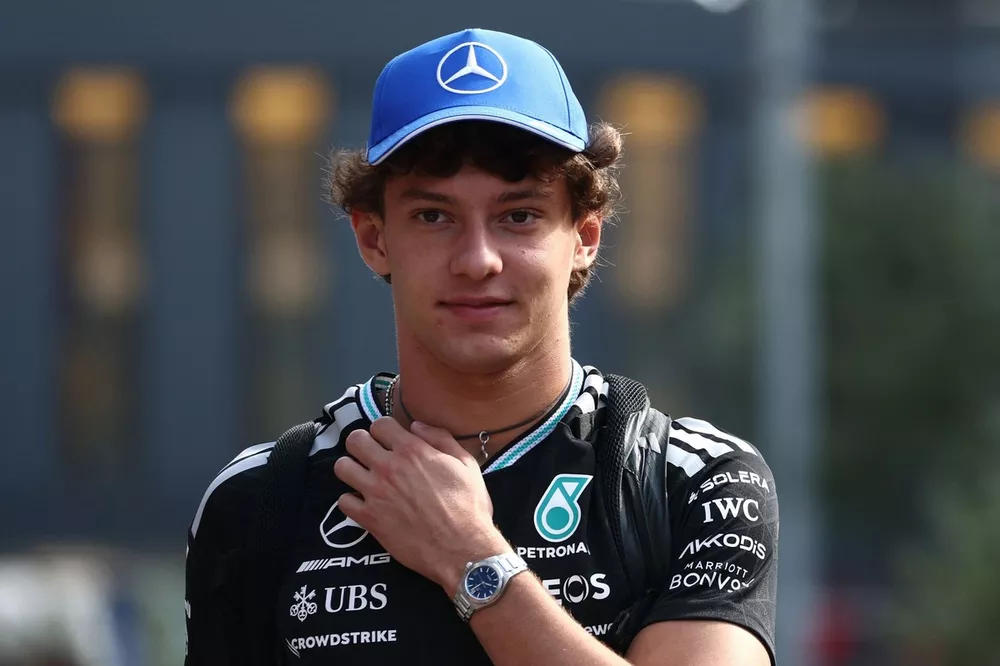
Antonelli leads championship by 81 points with 'zero sign' of pressure, says Palmer
-
 Formula 1 ·
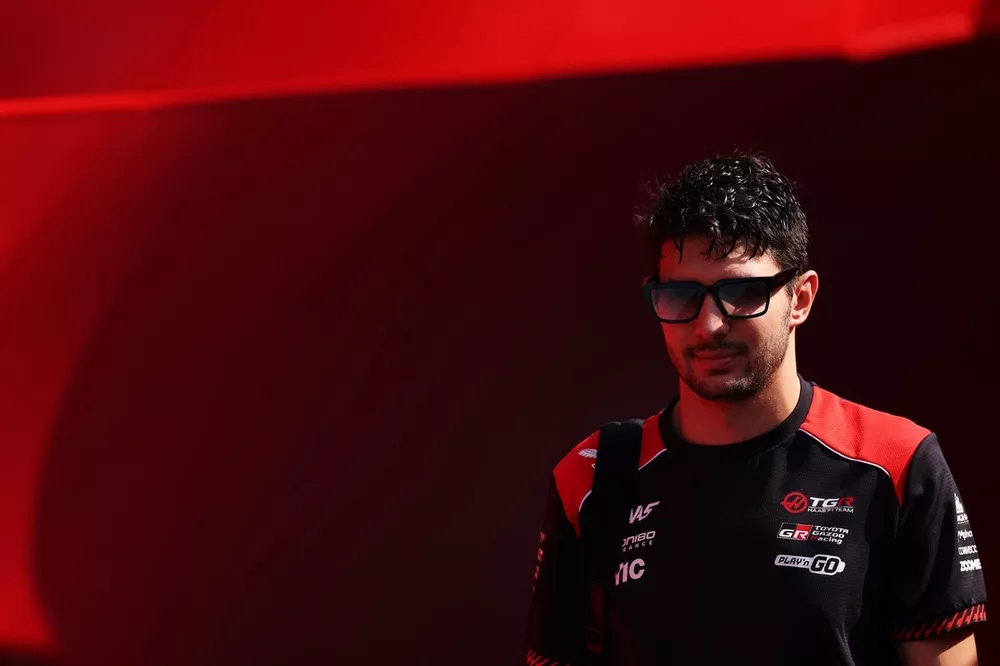
Ocon declares himself a 'free agent' as Haas weighs up 2027 driver options
-
 Formula 1 ·
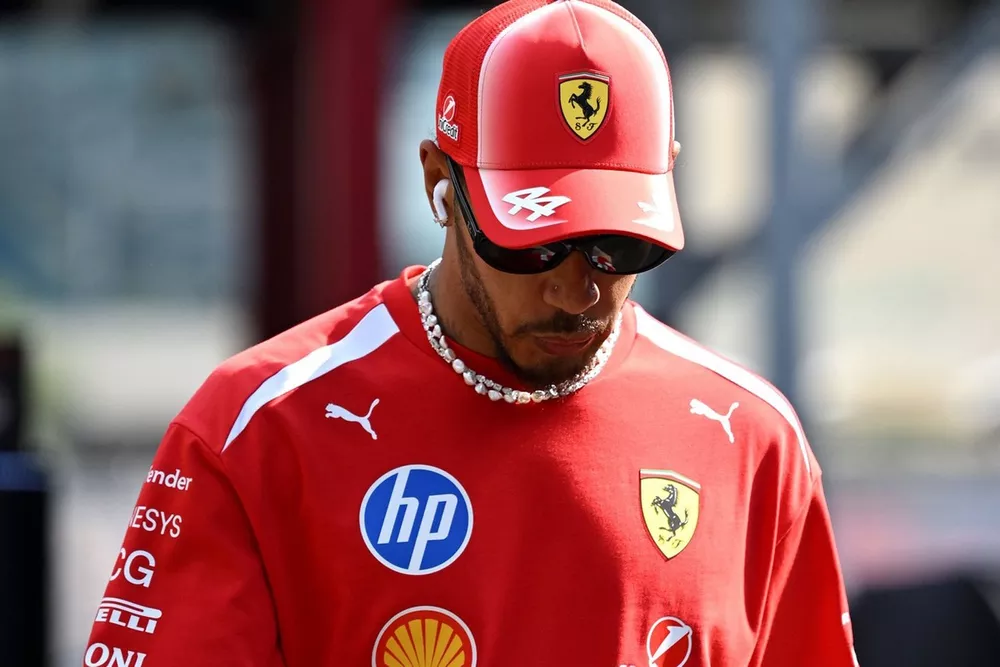
Hinchcliffe declares Hamilton and Ferrari's 2026 F1 title bid over after Spanish GP retirement

 Gibraltar