Everton put up for sale as Friedkin Group seeks right buyer to take club forward
The Friedkin Group has placed Everton up for sale less than two years after completing their takeover, though they insist they will only sell if a buyer capable of taking the club "to the next level" emerges.
1 min read
Everton are up for sale, with current owners The Friedkin Group open to exiting the club less than two years after completing their takeover of the Premier League side.
According to The Athletic, The Friedkin Group had already been exploring external investment options but are now prepared to sell outright — on the condition that the right buyer comes forward. The American ownership group insists it will not simply hand the club to any prospective purchaser, stressing that any new owner must demonstrate the ability to take Everton “to the next level”.
The Friedkin Group, which also owns Roma in Serie A, completed its acquisition of Everton in late 2024, taking over from Farhad Moshiri. The reported willingness to sell marks a significant shift for an ownership group that arrived on Merseyside with stated ambitions to stabilise and grow the club.
Despite being open to a sale, The Friedkin Group has made clear it is in no rush to leave. The group intends to continue supporting Everton and is prepared to remain in charge until a suitable successor is identified, meaning the club will not be sold under pressure or to an unsuitable party.
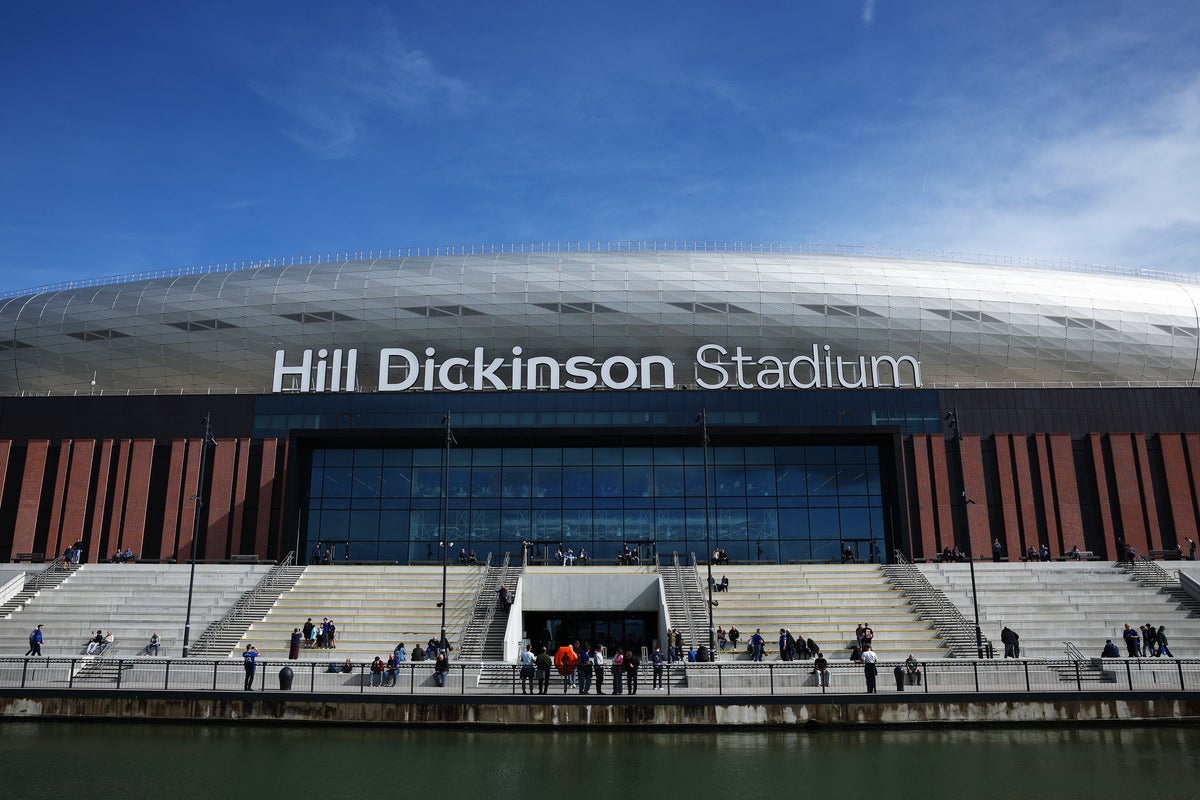
Everton are currently in the process of transitioning to their new stadium at Bramley-Moore Dock, a project that will likely factor heavily into the valuation and appeal of the club to potential buyers. The scale of that infrastructure investment, combined with the club’s Premier League status, is expected to attract serious interest.
Read also
-
 Football ·
Maresca faces media for first time since Man City found guilty of 114 financial breaches
-
 Football ·
Álvarez parts ways with agent Hidalgo after Barcelona's €100m bid fell far short of Atlético's €500m demand
-
 Football ·
Friedkin Group explores sale of controlling interest in Everton just months after takeover
-
 Football ·
Maresca backs Man City 'completely' as 115-charge verdict looms over Liverpool clash
-
 Football ·
Injured Xavi Simons enrolls at Harvard while facing year-long Tottenham absence
-
 Football ·
Bouaddi chooses Morocco after Deschamps snub, French fans furious

 Andorra W