Drake stakes $1 million on McGregor to beat Holloway at UFC 329
Drake has placed a $1 million bet on Conor McGregor to defeat Max Holloway at UFC 329 in Las Vegas on Saturday, with a potential payout of $2.85 million — though the rapper's notorious losing streak on big wagers looms large.
1 min read
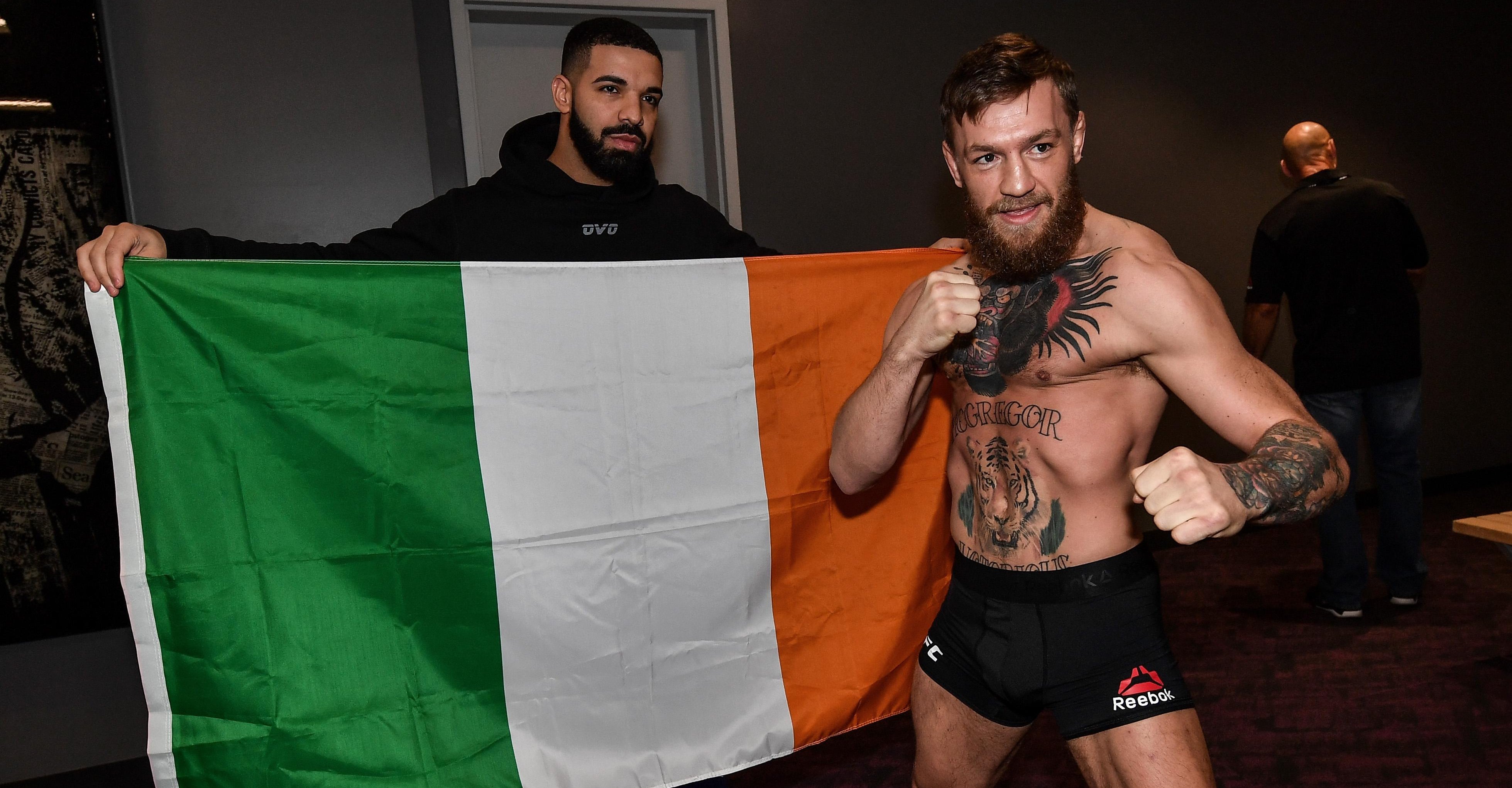
Drake has wagered $1 million on Conor McGregor to defeat Max Holloway in the main event of UFC 329 at T-Mobile Arena in Las Vegas this Saturday, with McGregor priced at +285 odds and a potential return of $2,850,000 should the Irishman prevail.
The bet arrives with considerable context. McGregor has not fought in five years, his last appearance being a broken leg sustained in a TKO loss to Dustin Poirier at UFC 264 in July 2021. Holloway, meanwhile, enters as the clear favourite despite a recent defeat to Charles Oliveira, having since recorded victories over Poirier and lightweight champion Justin Gaethje. The two fighters first met in August 2013, with McGregor winning that bout.
Drake’s involvement adds an extra layer of intrigue, and not necessarily in McGregor’s favour. The rapper has become synonymous with what fans call the “Drake Curse” — a pattern in which the side he publicly backs tends to lose. His recent MMA record does little to dispel the theory. At UFC 317, Drake lost $200,000 after backing Charles Oliveira against Ilia Topuria, who knocked Oliveira out. Before that, a $200,000 wager on Jake Paul as an 8-to-1 underdog against Anthony Joshua in December yielded nothing after Joshua stopped Paul in the sixth round.
Despite that track record, Drake has gone significantly larger this time, making his UFC 329 stake his most eye-catching MMA bet to date. Whether the curse follows him — and McGregor — into Saturday night remains to be seen.
Read also
-
 MMA ·
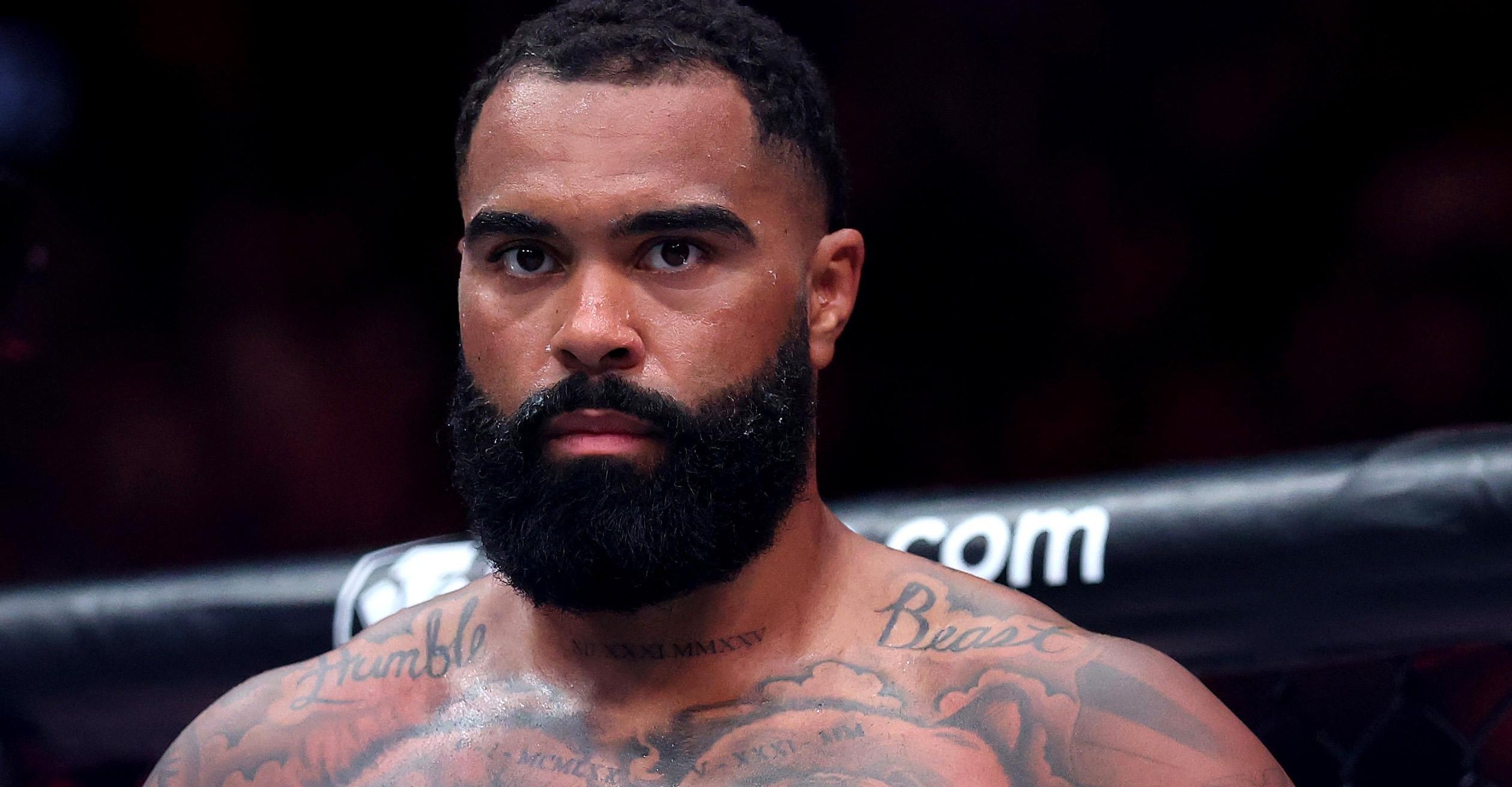
MMA ·Steveson breaks silence on sexual assault allegations after 12-second UFC 331 knockout
-
 MMA ·
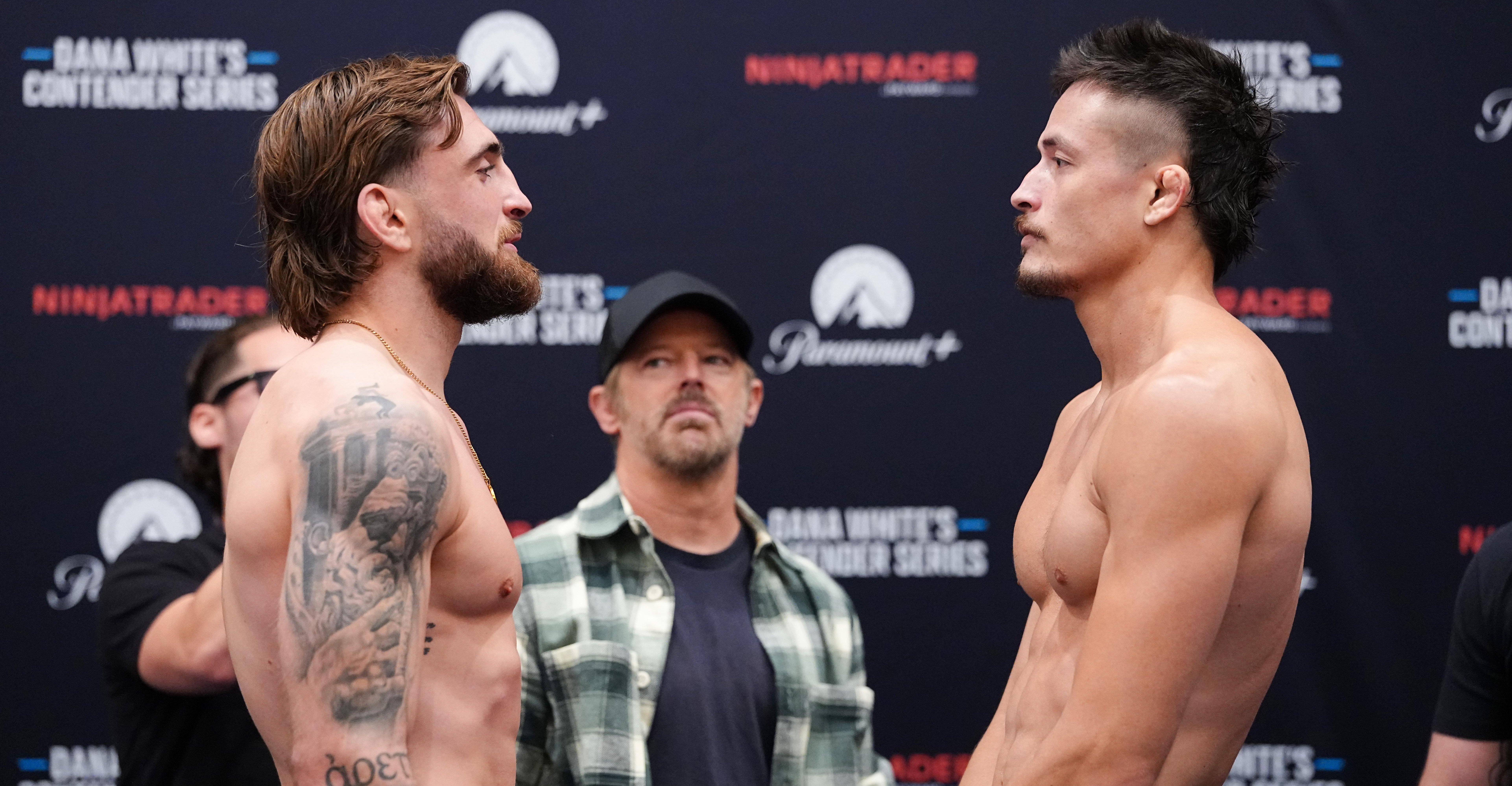
MMA ·Novenyi Jr. faces Haig in DWCS middleweight main event at Las Vegas Meta APEX
-
 MMA ·
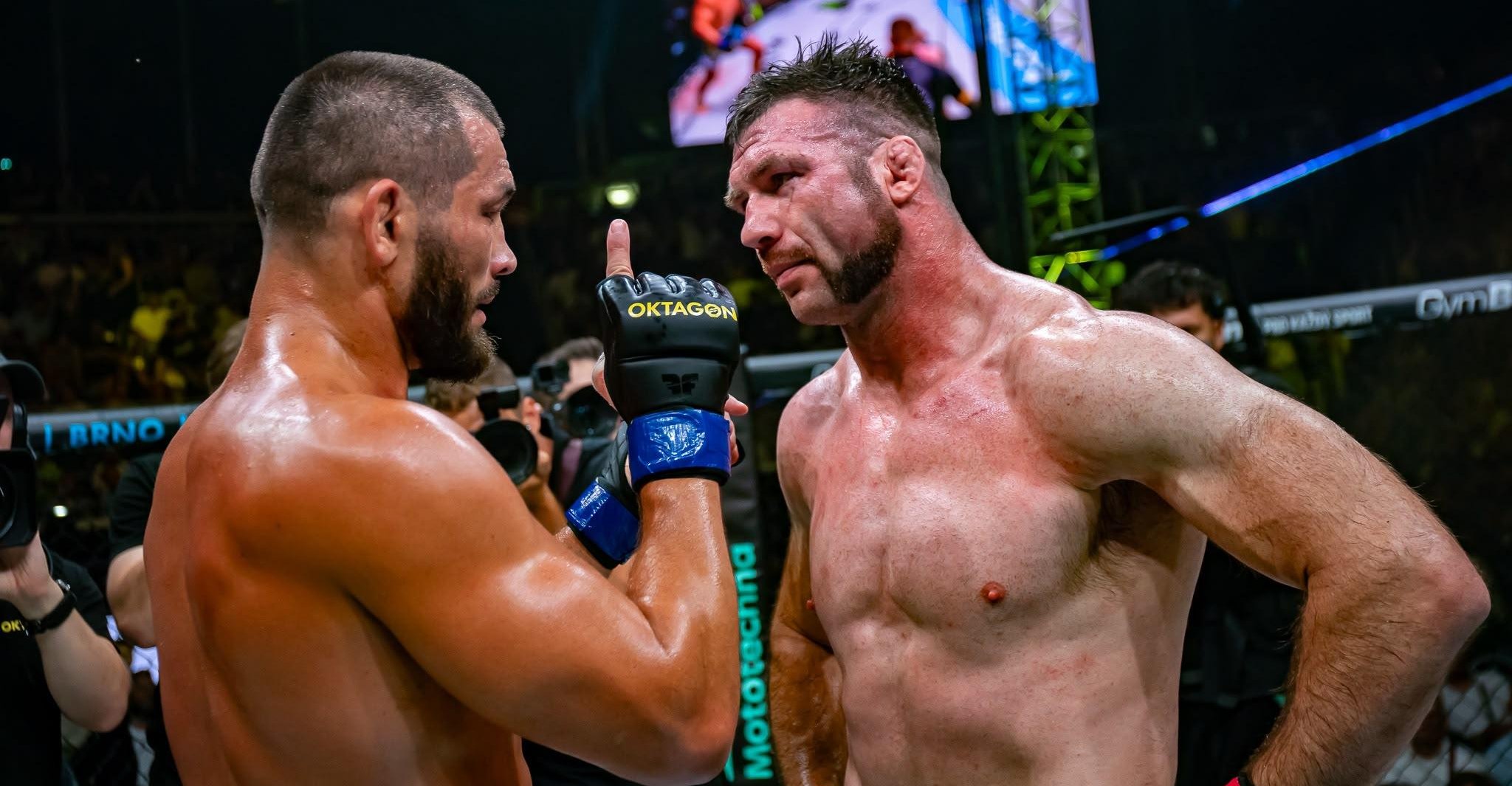
MMA ·Fleury accuses Muradov of ducking rematch after Oktagon title loss in August
-
 MMA ·
MMA ·Cormier admits he forgot leaving ring after Jones KO while criticising Steveson for same act
-
 MMA ·
MMA ·Ferguson defends Misfits Boxing title against Olympic wrestler Sebie after Biyong withdraws four days out
-
 MMA ·
MMA ·Dvalishvili vows to abandon Yan's game plan and reclaim bantamweight title at UFC 333
 Gibraltar