Da Cunha takes responsibility for Italy's equalizer against France
After Alessandro Bastoni's goal denied France victory in their first match under Zinédine Zidane, Adrien Rabiot faced criticism. However, Lucas Da Cunha acknowledged on Sunday that he failed to spot the defender pressing when he lost the ball, partially exonerating his teammate.
1 min read
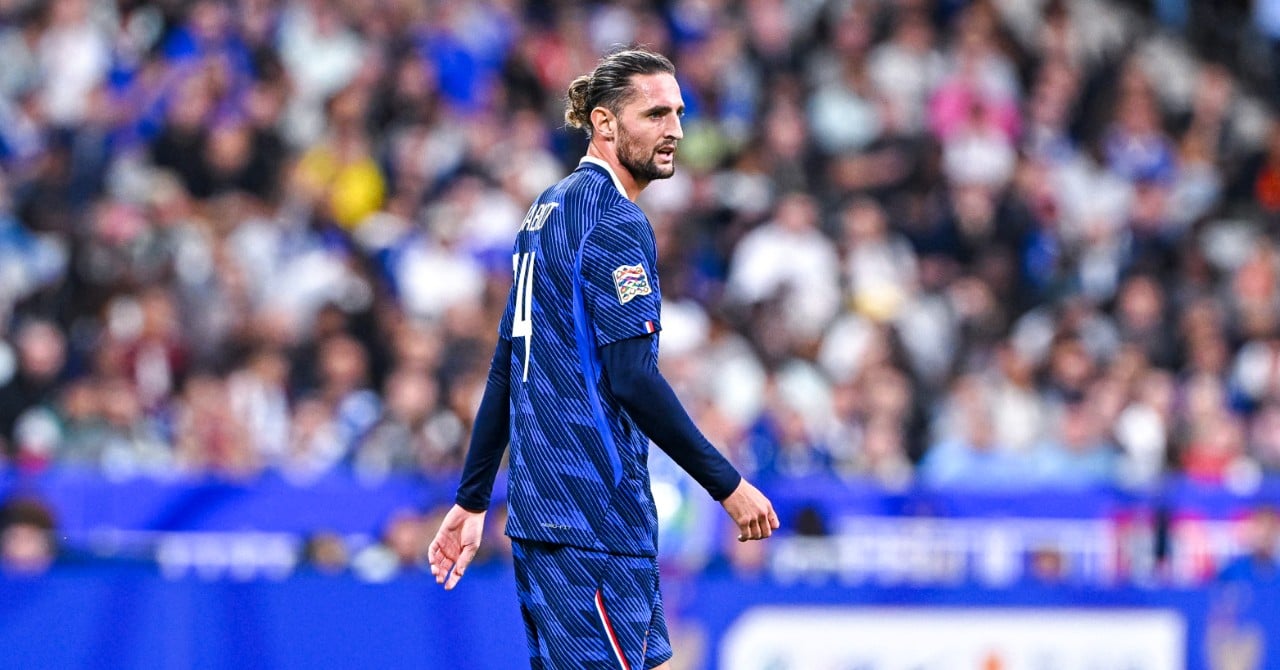
Lucas Da Cunha took responsibility for Italy’s equalizer that spoiled France’s first match under Zinédine Zidane. After Michael Olise opened the scoring from a free kick, Alessandro Bastoni equalized by capitalizing on a turnover by the Como midfielder.
On social media, the sequence quickly fueled criticism of Adrien Rabiot. The AC Milan midfielder was questioned for his passing choice — a ball down the middle to a teammate with his back to play — and the technical difficulty of the pass. But Da Cunha, who was only earning his second cap, nuanced that verdict on Sunday in the Téléfoot program.
“A lack of attention,” he regretted. “When you come into that zone, you have to read the game. In this case, I came to help Adri’ and I didn’t read it. I get hit directly. It happens too fast, we don’t have time to do anything after that.” The Como player acknowledged not seeing Bastoni arrive pressing, which made his touch too long and recovery impossible.
Zinédine Zidane chose not to criticize his young midfielder after the match, instead praising his style of play. A leniency consistent with Da Cunha’s profile: at two caps, the reading error against quick opposing pressure stems more from a lack of international experience than an isolated technical mistake.
The first goal conceded by France under the Zidane era thus remains the result of shared responsibility, which the two players involved appear to have accepted without passing the buck.
Read also
-
 Football ·
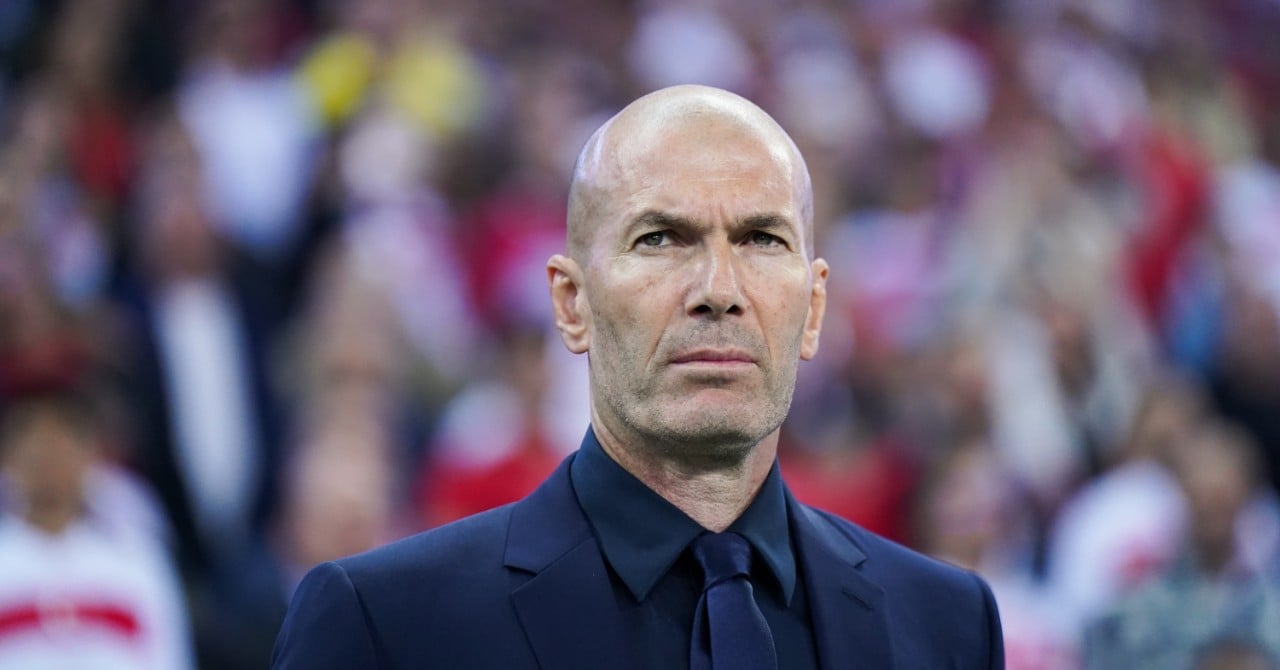
Zidane set to start Restes in goal against Belgium on Monday
-
 Football ·
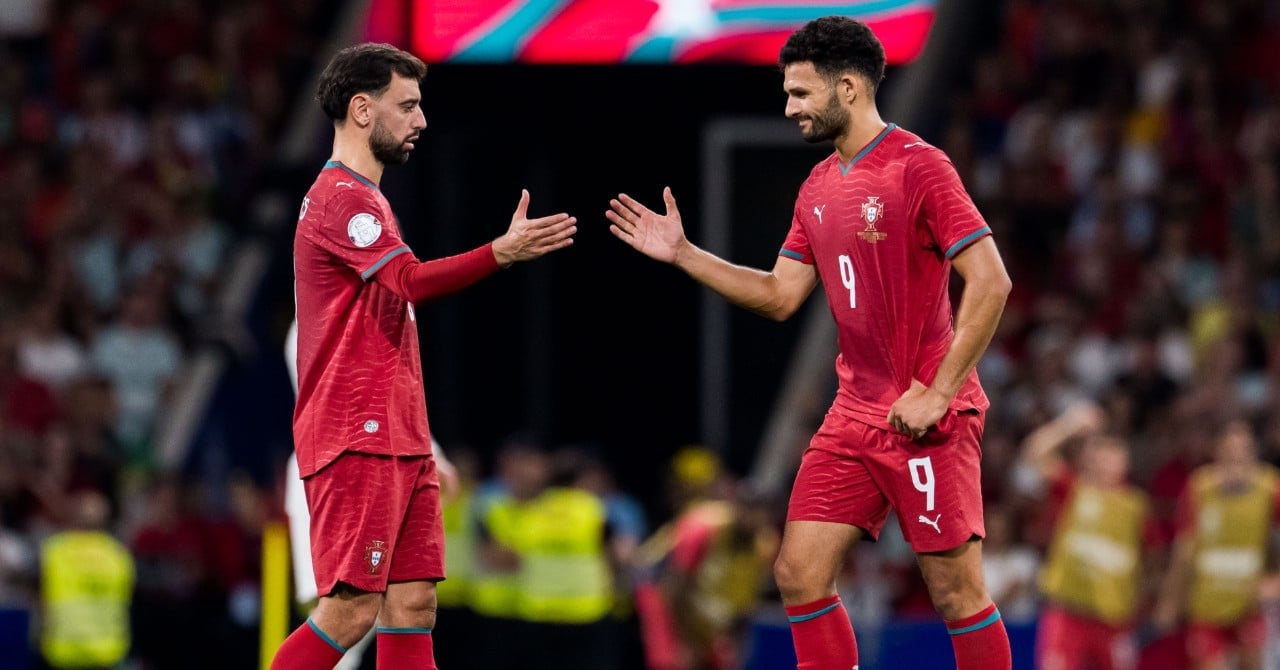
Portugal secures fourth consecutive win and advances to Nations League quarter-finals
-
 Football ·
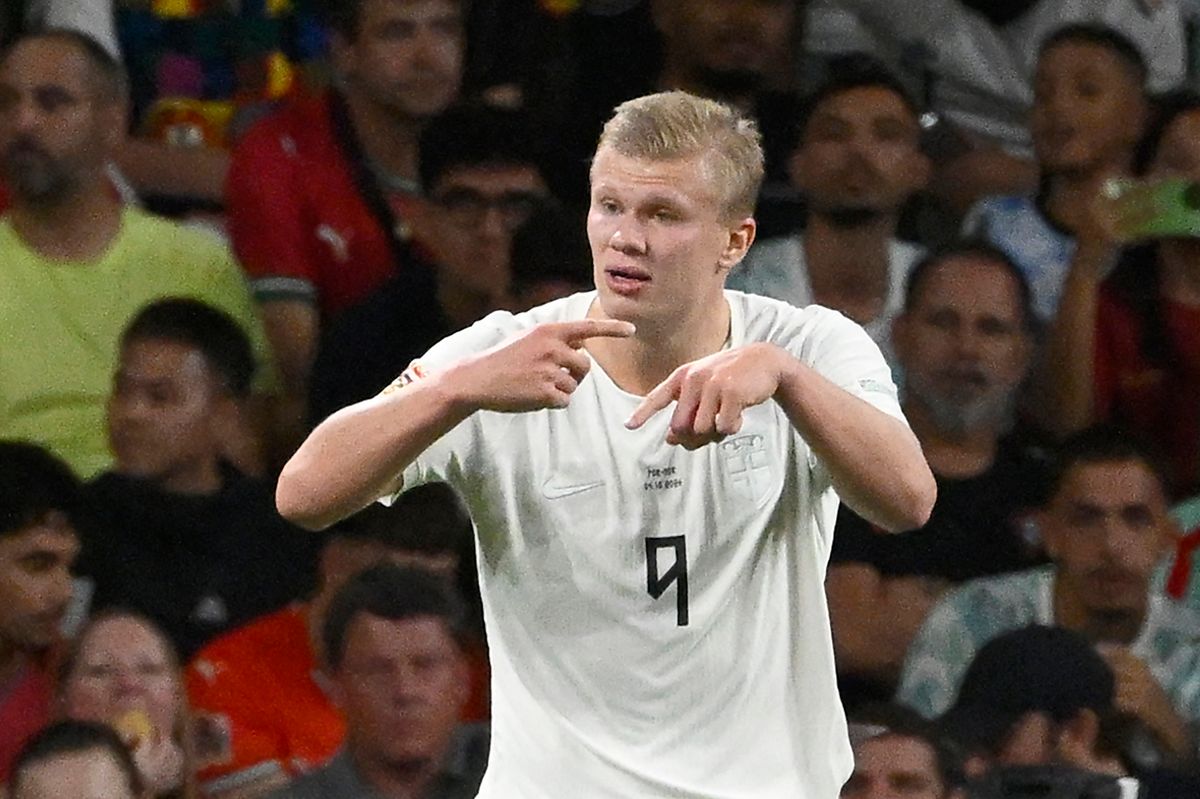
Haaland limps off for Norway in Nations League as Man City's week worsens
-
 Football ·
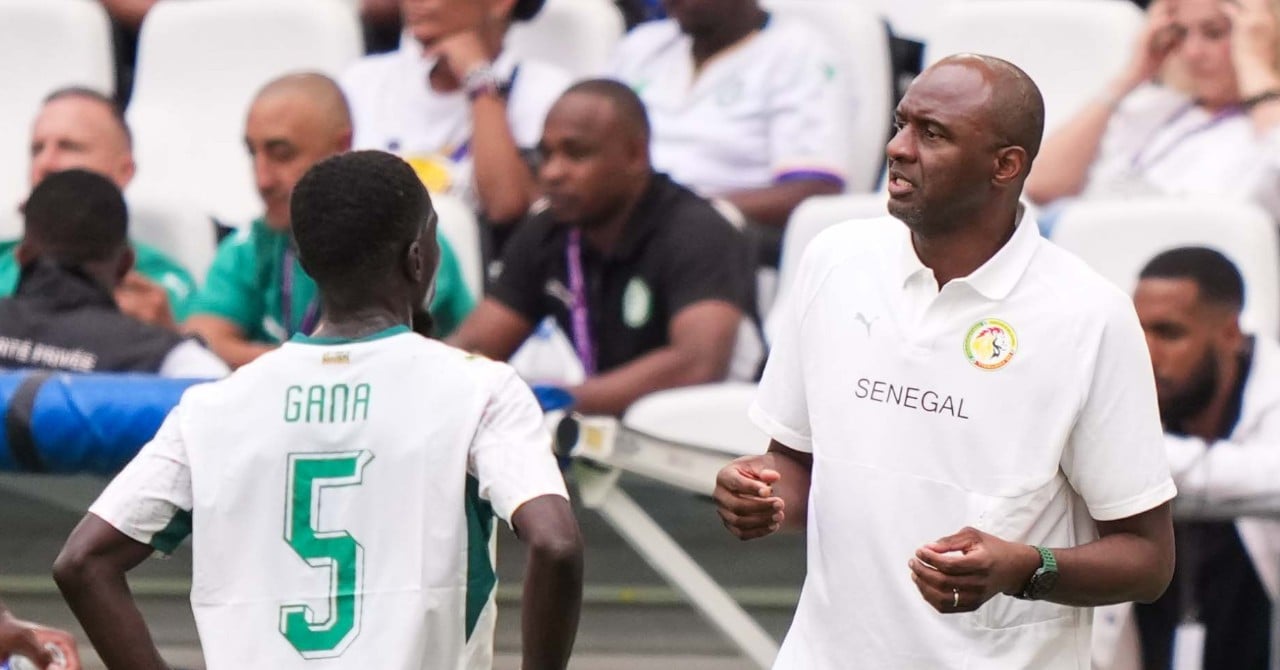
Vieira defends Koulibaly and Gueye by rebuking journalist after Senegal-Comoros
-
 Football ·
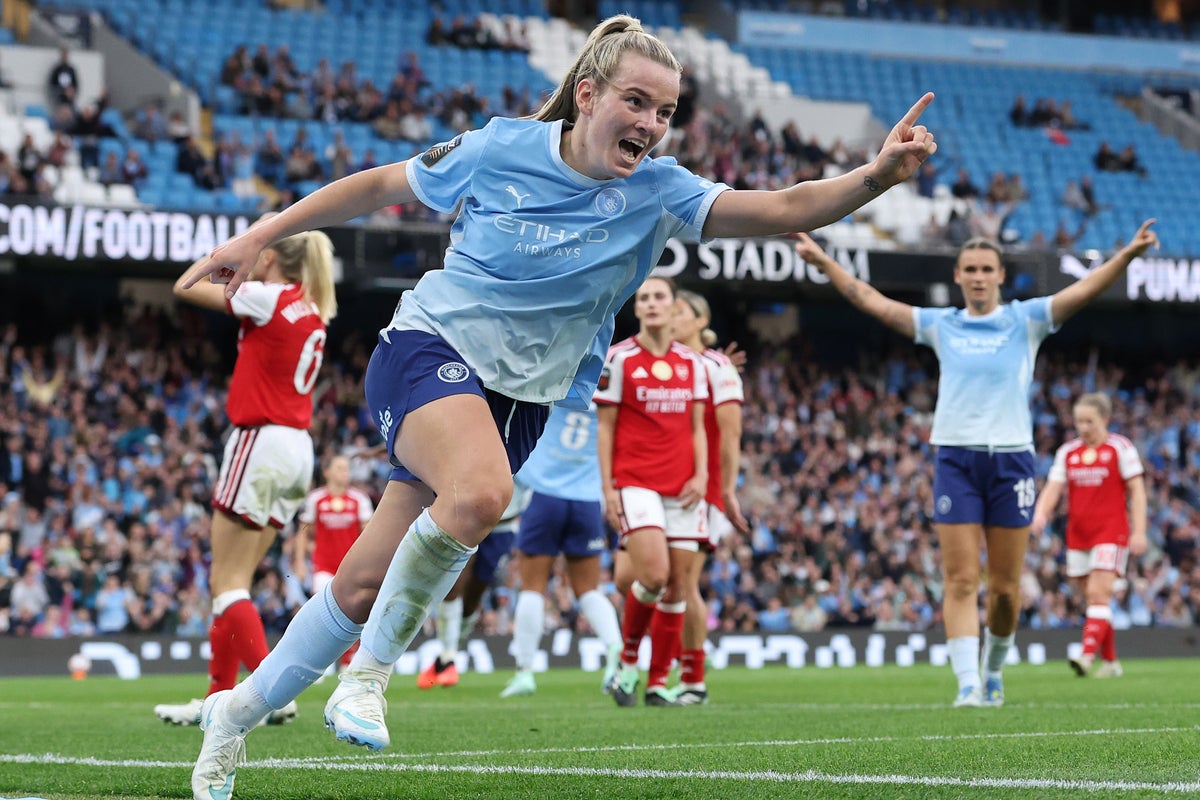
Hemp scores twice as City come from behind twice to down Arsenal and stay top
-
 Football ·
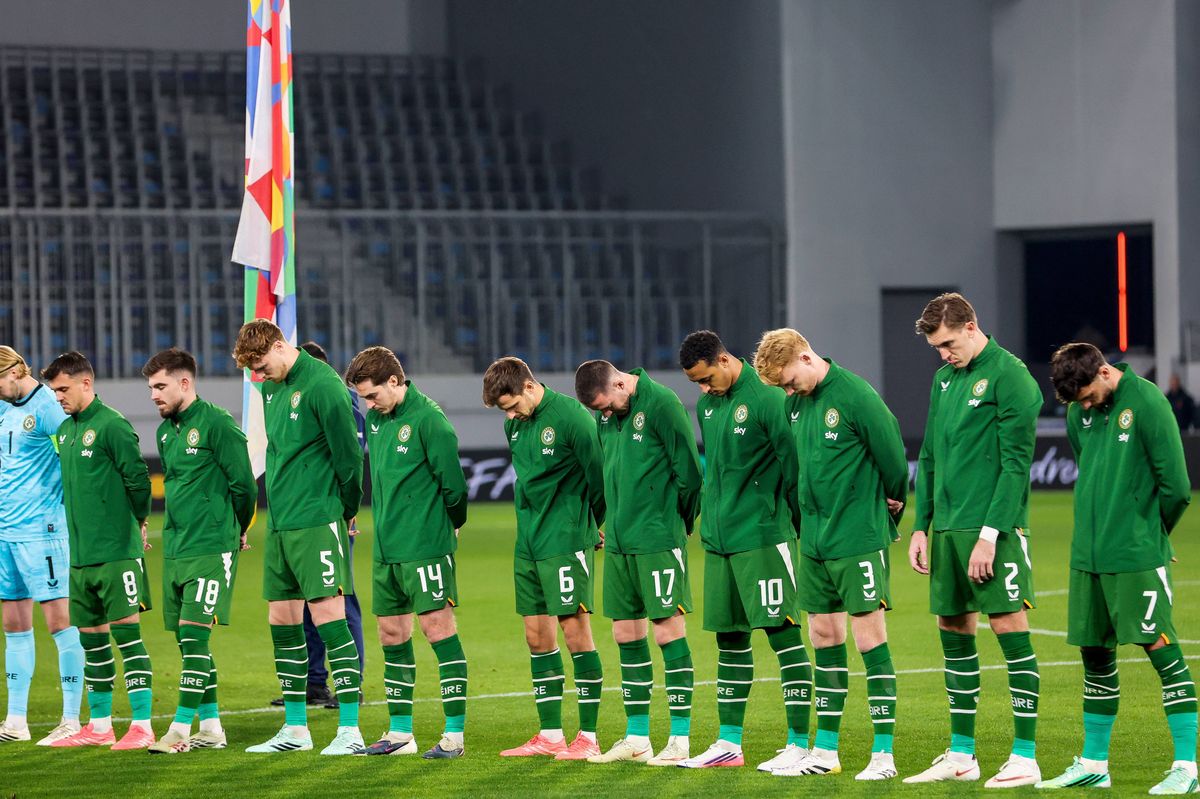
Ireland and Israel refuse handshakes again as Nations League tension spills into chaotic press conference
 Uganda