Canada and Spain's 42-42 thriller sets new record for highest-scoring draw in Test rugby
Canada and Spain shared 12 tries and 84 points in a breathless 42-42 draw at Clarke Stadium, Edmonton, surpassing England and Scotland's 38-38 Calcutta Cup classic from 2019 to become the highest-scoring draw in Test rugby history.
1 min read
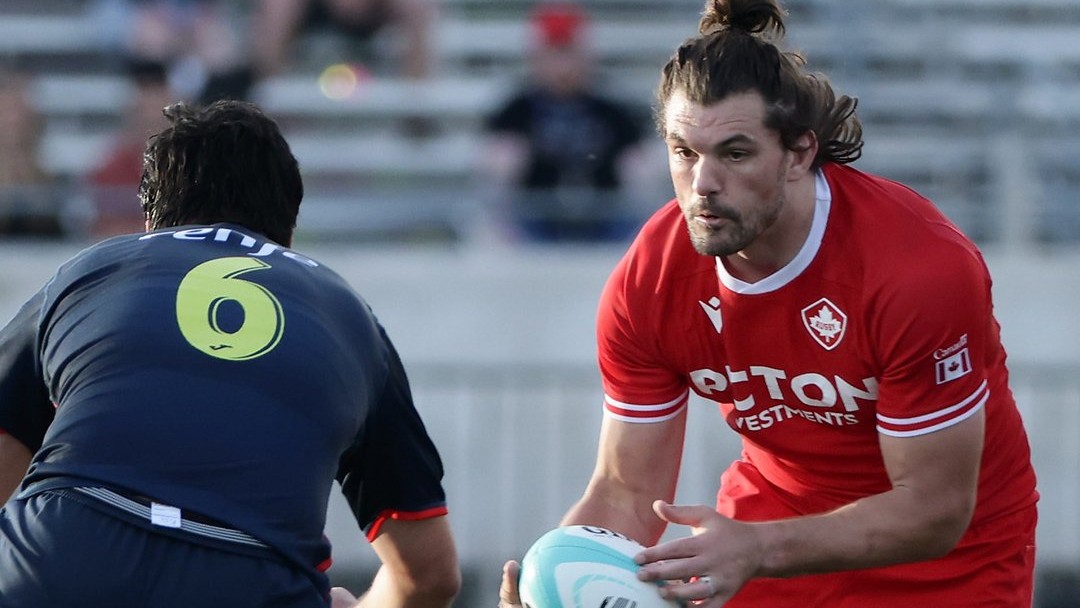
Canada and Spain produced the highest-scoring draw in Test rugby history on Saturday, splitting 84 points in a 42-42 stalemate at Clarke Stadium, Edmonton, in the opening round of the World Rugby Nations Cup.
Twelve tries were shared equally across an enthralling 80 minutes, with neither side able to find a winning margin despite a relentless attacking contest. The result eclipses the previous record held by England and Scotland, whose 2019 Calcutta Cup encounter ended 38-38 — a match long celebrated as one of the great Six Nations spectacles.
The record had already been under threat in recent years. Last September, Chile and Samoa drew 32-32 in a Rugby World Cup 2027 qualifier, while a 2012 Africa Cup fixture between Madagascar and Namibia finished 43-43 after 80 minutes — though that match proceeded to extra time and a decisive finish, with Namibia ultimately winning 57-54, disqualifying it from consideration as a draw.
Saturday’s game in Edmonton, by contrast, ended at the regulation whistle with the sides inseparable, confirming its place in the record books. The match statistics underlined just how evenly contested the encounter was: both teams made six tries and six conversions, and each registered four line breaks.
Draws in Test rugby have long attracted criticism, with periodic calls for a golden-point system — already used in rugby league — to guarantee a winner. Few inside Clarke Stadium on Saturday, however, are likely to have left feeling short-changed by the spectacle on offer.
Read also
-
 Rugby ·
Injury-hit Wallabies call up Champion de Crespigny for Springboks Test as Cale ruled out
-
 Rugby ·
USA stun Ireland to surge six places as Wales climb after WXV Global Series wins
-
 Rugby ·
Bonar earns 52nd Scotland cap after back surgery left her fearing career was over
-
 Rugby ·
Porter and O'Brien return to full training as Carbery steps up ACL recovery ahead of URC opener
-
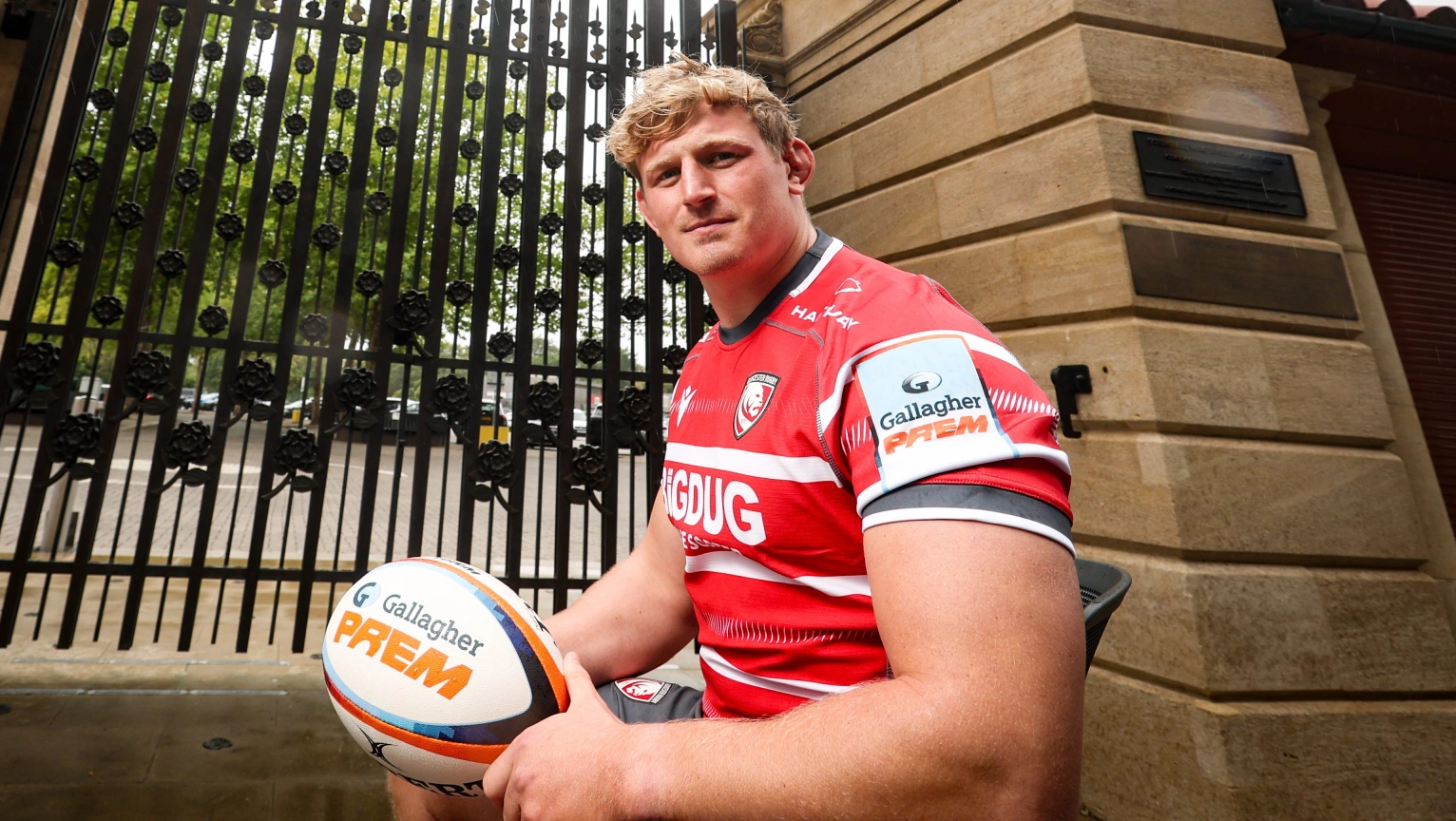 Rugby ·
Gloucester's Jac Morgan signing named best of the summer by Gallagher Premiership directors
-
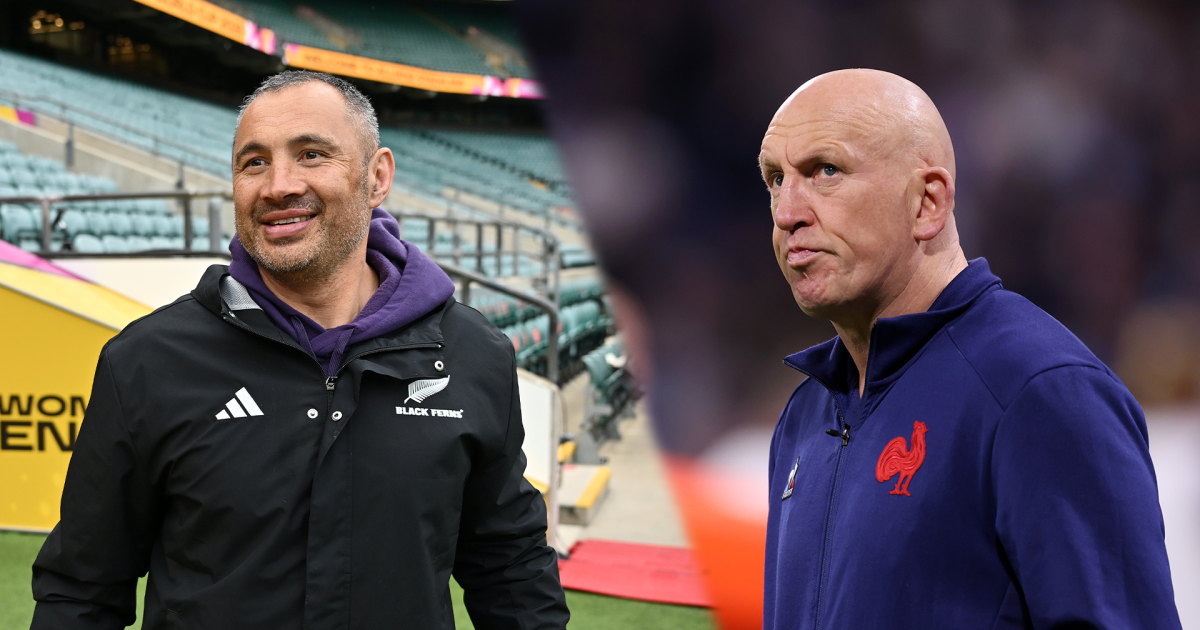 Rugby ·
Flutey backs Shaun Edwards to add 'huge value' to Red Roses ahead of England-New Zealand clash