Cadillac delays own F1 engine to 2030 to align with incoming V8 regulations
General Motors has pushed back its plan to power Cadillac with an in-house F1 engine by one year, to 2030, opting to remain a Ferrari customer team through 2029 rather than develop a V6 hybrid for just a single season before the sport switches to V8s.
2 min read
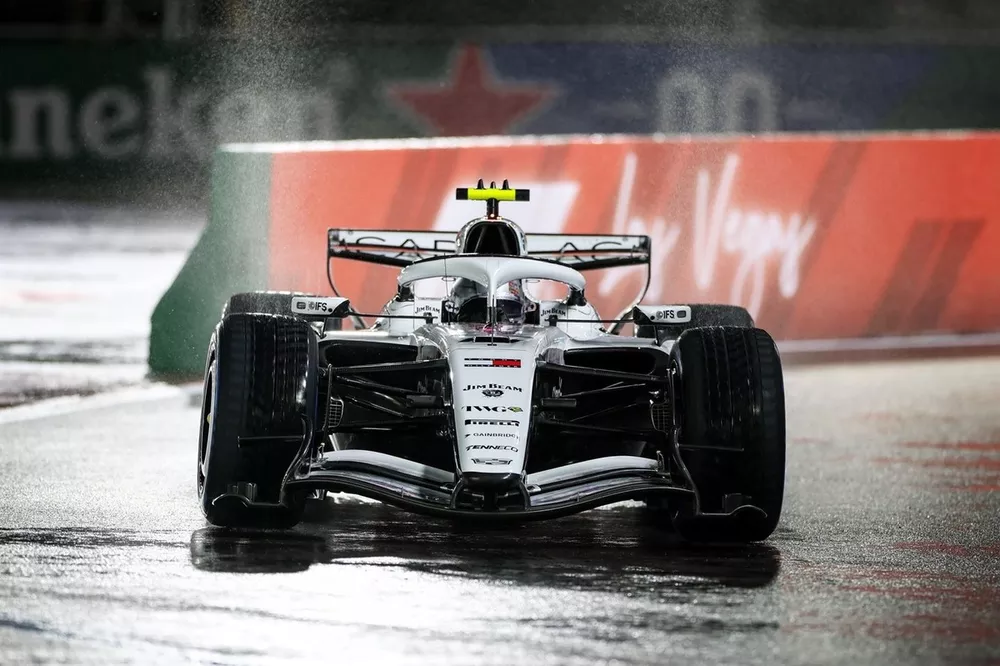
General Motors has shelved its plan to run Cadillac on an in-house power unit from 2029, confirming the American squad will instead remain a Ferrari customer team for one additional season before introducing its own engine alongside Formula 1’s switch to turbocharged V8s in 2030.
Cadillac CEO Dan Towriss made the announcement in Las Vegas ahead of the grand prix, telling Autosport: “We would remain a customer of Ferrari through 2029 and bring the Cadillac power unit online in 2030 with the V8.”
The original timetable was built on the assumption that the current V6 hybrid regulations would run until 2031. That plan was overtaken by events when teams and manufacturers reached an agreement in principle at the Las Vegas Grand Prix weekend to bring forward the introduction of a 2.1-litre turbocharged V8 with a reduced electrical component to 2030. McLaren CEO Zak Brown publicly confirmed the deal during the team principals’ press conference on Thursday, though Alpine team principal Flavio Briatore noted that formal signatures have yet to be applied.
For GM, pressing ahead with a 2029 works debut would have meant developing a power unit to the outgoing V6 hybrid specification for a single competitive season — an expense the manufacturer has now judged unnecessary. Waiting one year allows the company to channel its engineering resources directly into the V8 programme.
Towriss welcomed the regulatory shift. “I think we’re glad to see the series coming together under the leadership of the FIA to set that direction for a V8 in 2030. We’re super happy with that,” he said.
The delay does not halt GM’s infrastructure build-out. Towriss confirmed that Cadillac’s dedicated power unit facility in Charlotte, North Carolina, is on schedule to open on 18 December. “As a new manufacturer coming into the sport, having this direction is obviously very helpful. We’re excited about the direction and the crew’s hard at work getting ready,” he said.
Once the Charlotte facility is operational, engineers will work on both V6 and V8 architectures in parallel, though the pressure to fully develop the current-generation unit for a 2029 race debut has now been lifted. The V8 formula is widely expected to be simpler and cheaper to produce than the outgoing hybrid system — a factor that works in favour of a manufacturer entering the sport for the first time.
Read also
-
 Formula 1 ·
Zak Brown confirms V8 agreement in principle after FIA's deleted social media posts
-
 Formula 1 ·
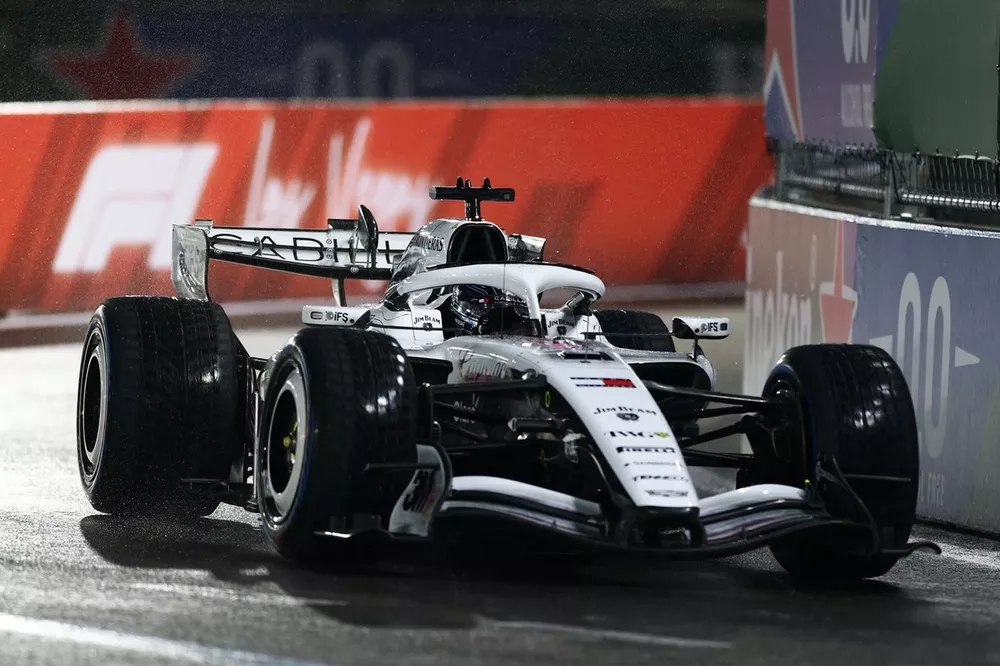
Cadillac scraps 2029 GM engine plan and delays works entry to 2030 V8 era
-
 Formula 1 ·
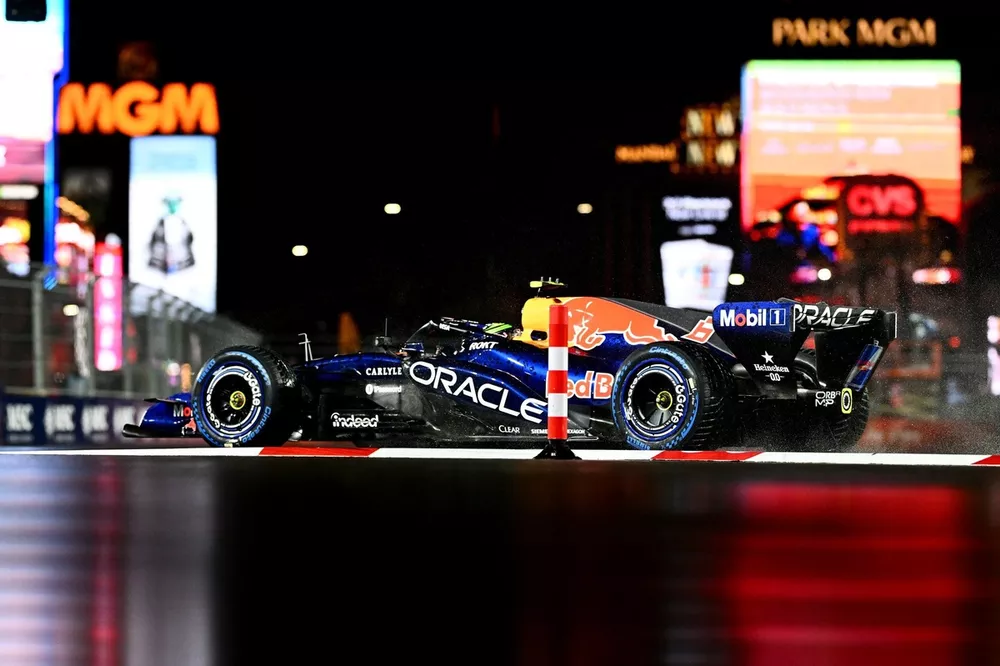
Rain washes out Las Vegas FP1 as rookies brave near-undriveable conditions
-
 Formula 1 ·
Norris dismisses Middle East safety concerns ahead of F1 season finale
-
 Formula 1 ·
Nike replaces Puma as Formula 1's official apparel partner from 2027
-
 Formula 1 ·
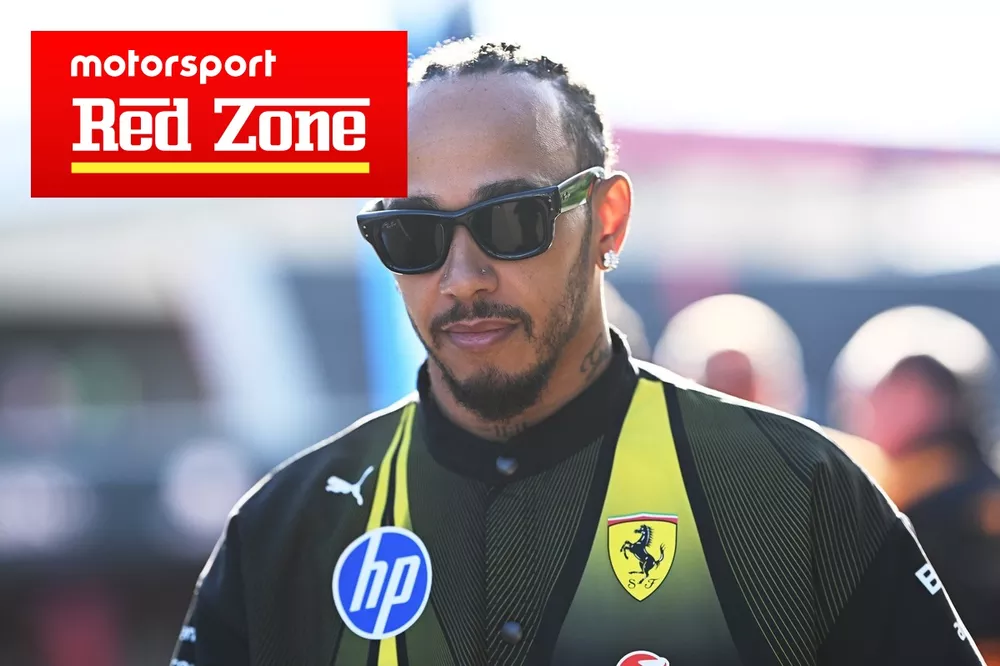
Hamilton backs V8 return and slams 2026 power units for dying on straights

 Belgium U17
