Binotto sets 2030 title target for Audi as power unit gap remains F1's biggest challenge
Audi F1 boss Mattia Binotto has outlined a long-term roadmap to championship contention by 2030, describing 2026 and 2027 as construction years while acknowledging the team's power unit currently lags more than 4% behind the Red Bull Ford benchmark.
2 min read
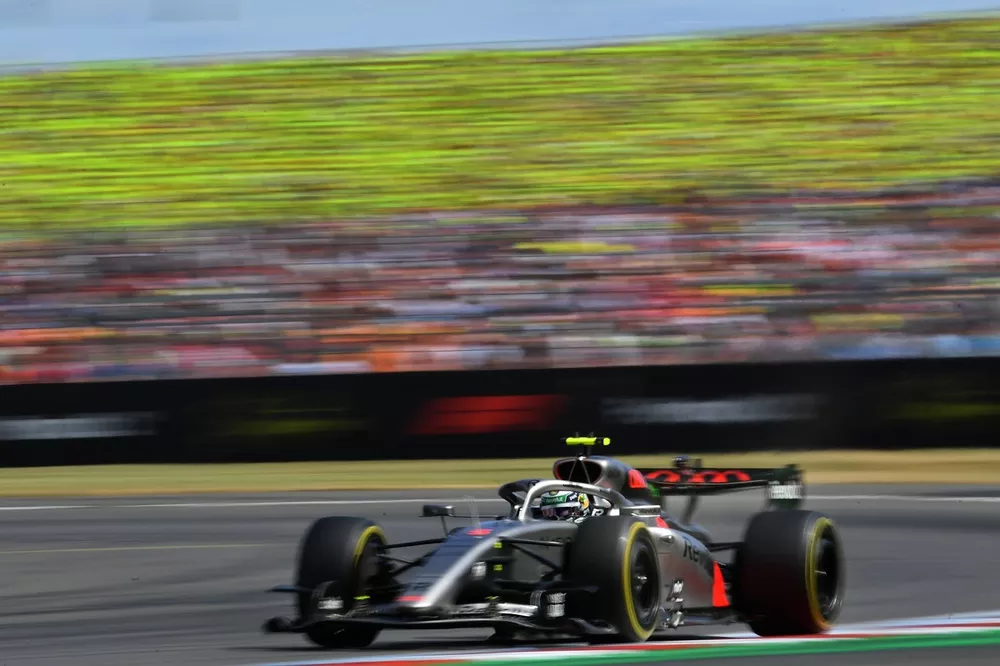
Mattia Binotto has set 2030 as Audi’s target year to compete for the Formula 1 world championship, framing the team’s difficult debut season as the first stage of a multi-year building project rather than a measure of immediate ambition.
Audi replaced Sauber on the F1 grid for 2026 and sits ninth in the constructors’ standings after nine rounds, with six points scored entirely by rookie Gabriel Bortoleto. Team-mate Nico Hulkenberg is yet to get off the mark, though the squad has reached Q2 at every grand prix and broken into Q3 on three occasions — a baseline Binotto considers meaningful progress.
“Our target is 2030: we want to build a team capable of competing for the world championship,” Binotto said. “We know there will be important milestones along this journey. The first, for us, will likely be 2028, when we expect to make a further leap in quality.”
Binotto was candid about where the R26 falls short. Speed-trap data from Silverstone placed both drivers towards the rear of the field, and ADUO performance figures suggest Audi’s internal combustion engine is more than 4% behind the Red Bull Ford benchmark — a deficit that entitles the team to two upgrade tokens on the power unit.
“Regarding the power unit, I’m not surprised,” Binotto said. “I knew we’d be starting a bit late, because we’re building completely new skills and knowledge. It’s a long-term project and I’m convinced Audi will have a top-notch power unit within a couple of seasons.”
The chassis picture is more encouraging. Bortoleto claimed in Austria that the car’s aero platform is comparable to Mercedes and other midfield frontrunners, an assessment Binotto echoed with satisfaction.
With roughly 1,400 staff working on chassis and power unit development behind the scenes, Binotto argued that the paddock’s view of any F1 team is inherently incomplete. “Often, people only look at the team on the track, but that’s the visible part of the project. The track is the icing on the cake. But first, we have to build the cake.”
The next major regulatory reset is targeted for 2031, giving Audi a window to close the performance gap before the rules change again. Binotto’s stated priority for the next two seasons is organisational growth rather than points finishes — a stance that sets realistic expectations while keeping the 2030 championship ambition firmly on the horizon.
Read also
-
 Formula 1 ·
Coulthard praises Russell for admitting Antonelli is outperforming him as title slips away
-
 Formula 1 ·
Racing Bulls rookie Lindblad nearly flips Guinness-record Fiat Panda in off-season YouTube stunt
-
 Formula 1 ·
Rosberg brands Williams 2026 campaign 'a shocker' as Vowles faces uphill recovery
-
 Formula 1 ·
Ferrari unveils all-black race suit for Leclerc ahead of Singapore Grand Prix
-
 Formula 1 ·
Szafnauer backs Wolff's Antonelli gamble as teenager leads standings by 81 points
-
 Formula 1 ·
Smedley credits Bonnington as the force steadying Antonelli's 81-point F1 title lead

 Scotland U17 W