Binotto insists Audi will push for turbo retention in F1's 2031 engine overhaul
Audi F1 chief Mattia Binotto has called for the sport's next power unit formula to remain 'highly efficient', as the FIA and manufacturers begin shaping regulations for 2031 amid growing momentum toward simpler, cheaper V8 engines.
2 min read
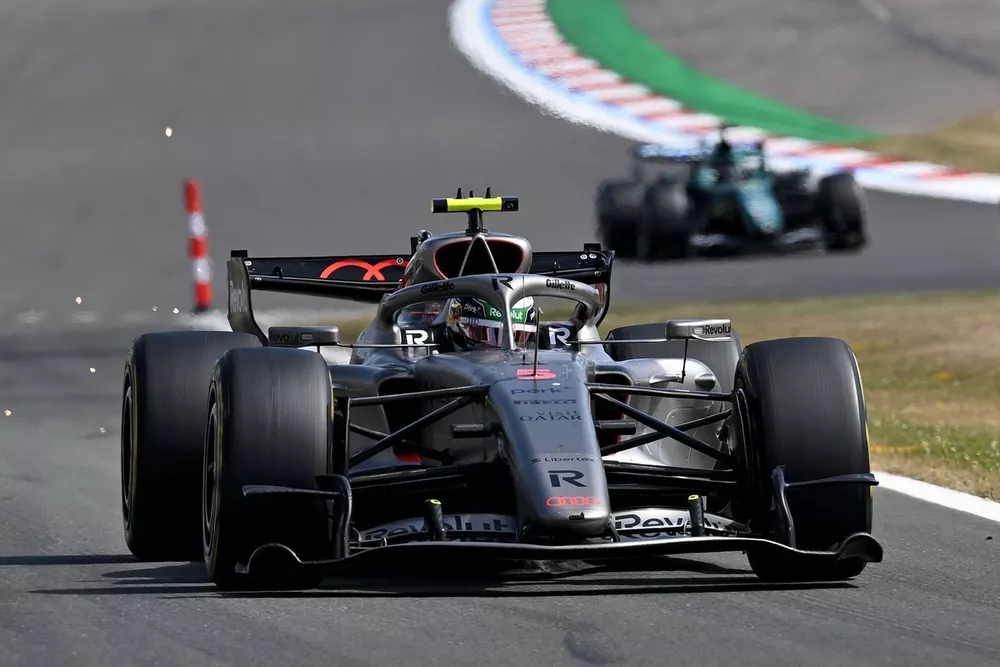
Audi F1 CEO Mattia Binotto has made clear that the German manufacturer will fight to keep turbocharging in Formula 1’s next engine formula, warning that efficiency must remain central to whatever configuration the FIA adopts for 2031.
F1 and the FIA are in the early stages of designing the power unit regulations that will succeed the current 2026 framework. A broad consensus has emerged among the six manufacturers to move toward cheaper, simpler V8 engines with a reduced electric component running on advanced sustainable fuels — but the finer details, including whether turbos survive the cut, remain unresolved.
Audi’s position is rooted in its road car identity. The brand uses turbocharging extensively across its production range, and its recently unveiled Nuvolari concept — featuring a twin-turbo V8 — has been widely read as a signal of what Audi wants F1’s future engine to look like.
“Audi has always supported the importance of efficiency,” Binotto said. “The technology that allows for highly efficient engines is the same one that is then applied to road cars. When we talk about efficiency, we’re talking about fuel consumption, emissions, and technology transfer between motorsport and series production.”
He acknowledged the tension between efficiency and the sport’s desire for simplicity and cost reduction. “The real challenge will be understanding how to design a Formula 1 engine that remains highly efficient but, at the same time, is less complex, lighter, and affordable. This is what we will have to address.”
FIA president Mohammed Ben Sulayem has proposed accelerating the new regulations by a year to 2030 and has floated the idea of a white-label, off-the-shelf power unit — similar in concept to the historic Cosworth customer engine — to ease concerns among independent teams and give the governing body greater leverage in negotiations with manufacturers.
The FIA technically has the authority to impose a new formula unilaterally from 2031, including a ban on customer team arrangements, but doing so risks alienating the OEMs it has worked hard to attract in recent years — a calculation that makes broader consensus the more likely path.
Binotto expressed optimism that the process could produce something more than a lowest-common-denominator compromise. “I think the FIA, as the regulatory body, is rightly called upon to lead this discussion,” he said. “Formula 1 needs the manufacturers, just as the manufacturers need Formula 1.”
Read also
-
 Formula 1 ·
Racing Bulls rookie Lindblad nearly flips Guinness-record Fiat Panda in off-season YouTube stunt
-
 Formula 1 ·
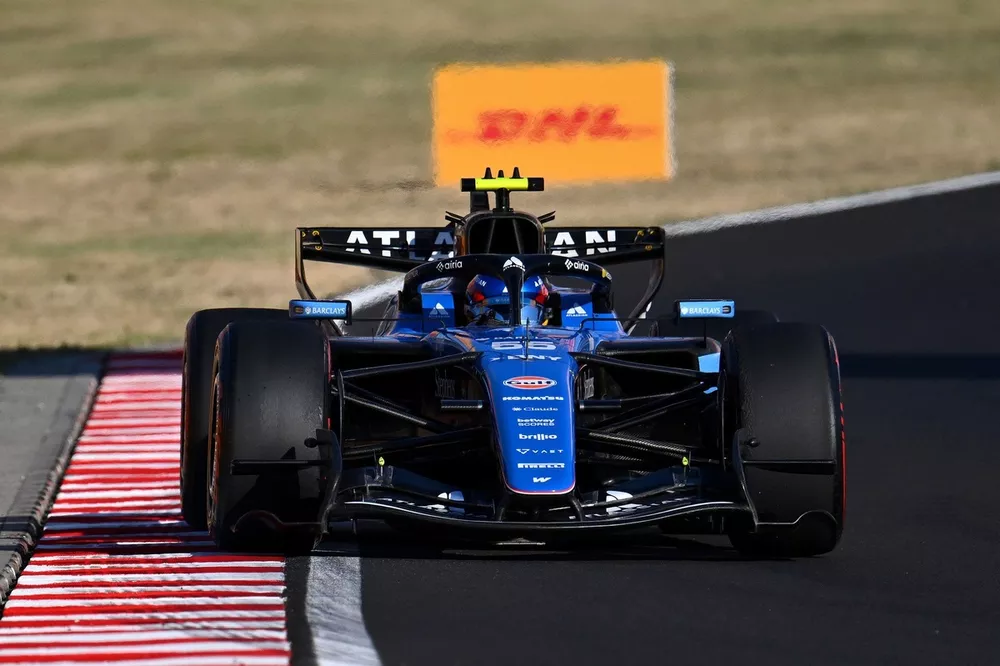
Rosberg brands Williams 2026 campaign 'a shocker' as Vowles faces uphill recovery
-
 Formula 1 ·
Ferrari unveils all-black race suit for Leclerc ahead of Singapore Grand Prix
-
 Formula 1 ·
Szafnauer backs Wolff's Antonelli gamble as teenager leads standings by 81 points
-
 Formula 1 ·
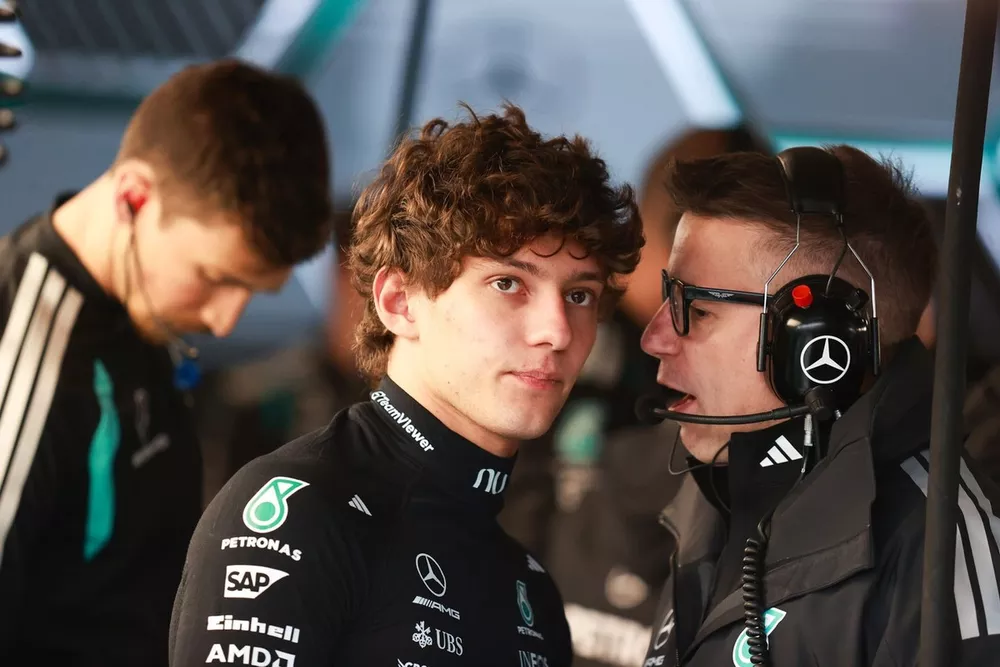
Smedley credits Bonnington as the force steadying Antonelli's 81-point F1 title lead
-
 Formula 1 ·
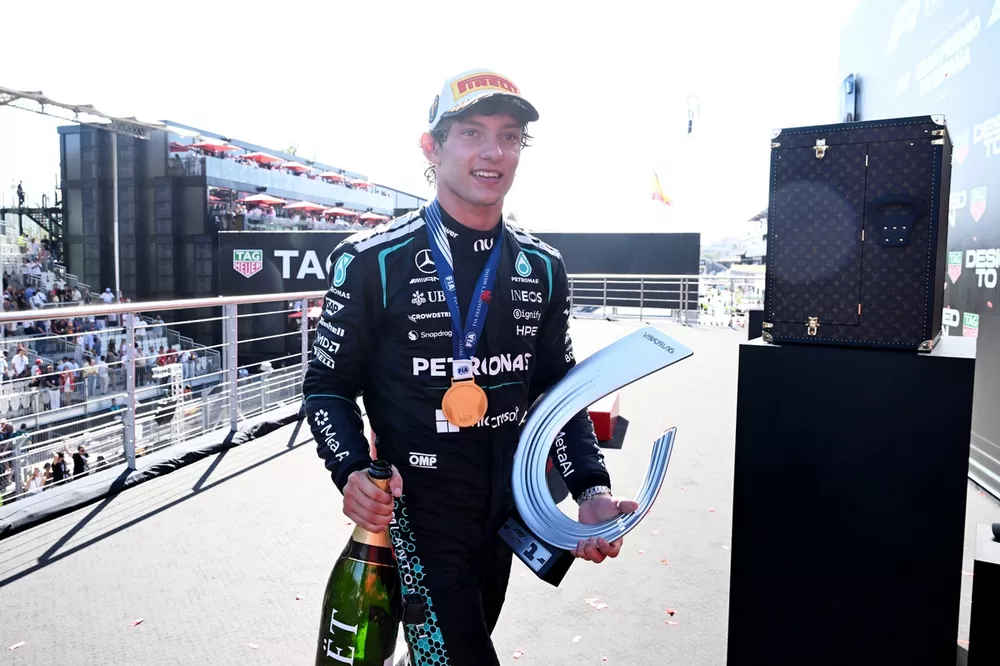
Coulthard calls Antonelli a 'phenomenon' and predicts 2026 title as 81-point lead grows

 Brazil U20 W