Ballon d'Or of All-Time: Cristiano Ronaldo leads public vote
Absent from the 30 nominees for the 2026 Ballon d'Or, Cristiano Ronaldo is leading the public vote for the new "Ballon d'Or of All-Time" trophy, to be awarded at the 70th ceremony on October 26 in London.
1 min read
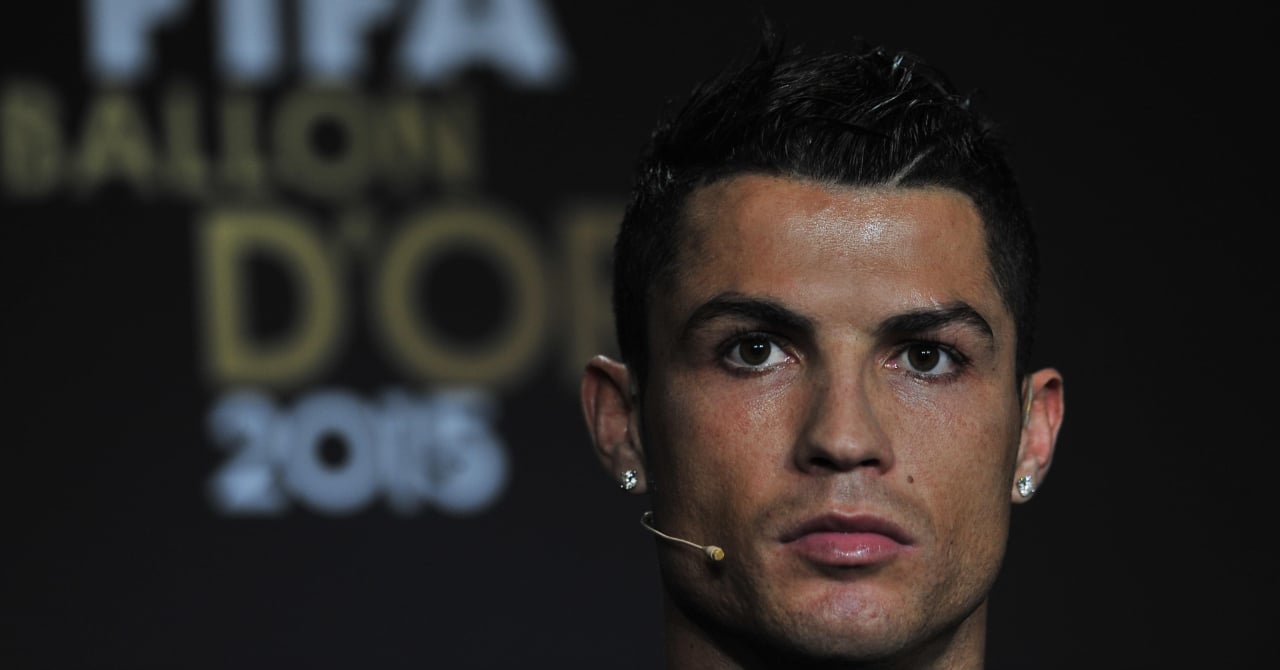
Cristiano Ronaldo occupies first place in the votes for the “Ballon d’Or of All-Time”, according to the latest estimates published by the Ballon d’Or organization. The five-time winner, not retained among the 30 nominees for the 2026 edition, could nonetheless leave with a trophy at the 70th ceremony, scheduled for October 26 at the London Palladium in London.
This new distinction, introduced this year, is awarded by public vote on the official Ballon d’Or website. Ten players who have won the award at least twice are in contention. Among them are legends such as Alfredo Di Stéfano, Franz Beckenbauer, Johan Cruyff, Kevin Keegan, Karl-Heinz Rummenigge and Ronaldo Nazário, all two-time winners, as well as Michel Platini, a three-time winner. Cristiano Ronaldo, five times honored, also faces Lionel Messi, the all-time record holder with eight Ballon d’Or awards.
Internet users have until October 27 at 23:59 (Paris time) to cast their vote. The name of the winner will be announced after the main ceremony, during which the successor to Ousmane Dembélé — the current holder — will be named.
In total, ten trophies will be presented during the evening, divided equally between men’s and women’s categories: the two Ballon d’Or awards, the prizes for best club, best coach, best goalkeeper and best young talent. The ceremony will be hosted by Thierry Henry, a Ballon d’Or finalist in 2003, and British journalist Kate Scott.
Read also
-
 Football ·
Man United chiefs concede Martinez was right as January defensive rebuild takes shape
-
 Football ·
Salford City offered Dele Alli a lifeline as former England star remains clubless a year on
-
 Football ·
Real Madrid target Rayan Cherki, €110M transfer in sight
-
 Football ·
Gnabry backs Kane to end England's 24-year Ballon d'Or drought ahead of Arsenal clash
-
 Football ·
Carrick faces injury concerns at Como press conference as United's poor start deepens
-
 Football ·
Peta urges Crystal Palace to retire live bald eagle mascot Phoenix from matchdays
 Morocco U17 W