Aston Martin knew both cars would retire before Mexico GP even started, Honda reveals MGU-K failures
Aston Martin team principal Mike Krack has confirmed the squad knew before race day in Mexico City that neither Fernando Alonso nor Lance Stroll would finish. Honda engineer Shintaro Orihara has since explained that high-altitude conditions caused abnormal MGU-K failures in both qualifying and the race.
2 min read
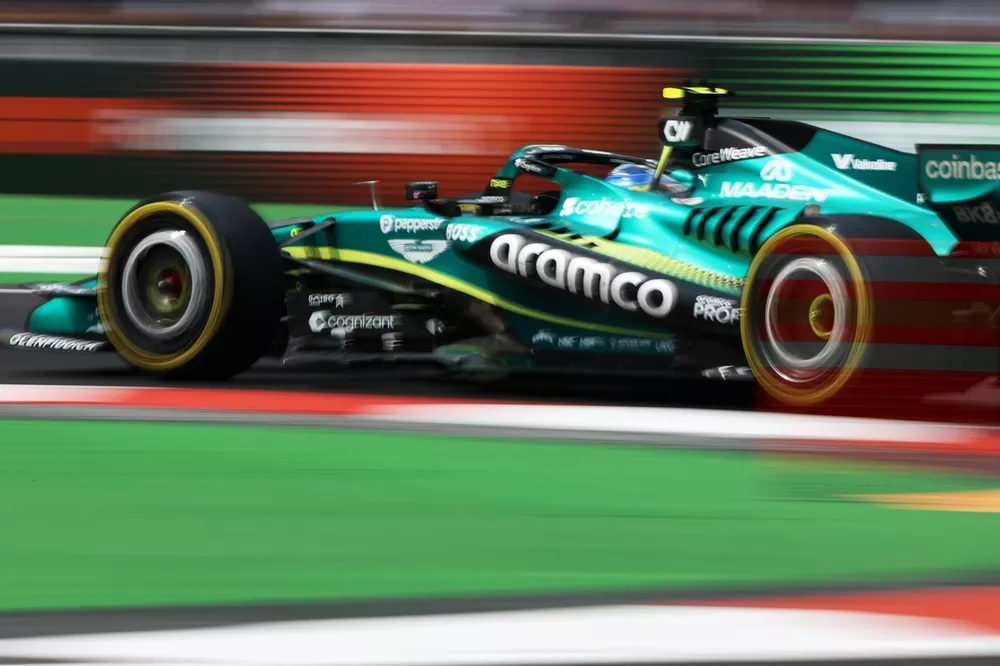
Aston Martin already knew on Sunday morning that neither of its cars would survive the Mexico City Grand Prix, team principal Mike Krack has confirmed, as Honda prepares countermeasures for this weekend’s São Paulo Grand Prix to prevent a repeat of the power unit failures that ended both Fernando Alonso and Lance Stroll’s races after just five laps.
The Autodromo Hermanos Rodriguez sits at 2,286 metres above sea level — the highest circuit on the Formula 1 calendar — and Honda had flagged the weekend as a significant challenge even before the cars left the garage. Turbo lag had already caused problems in Singapore, but it was reliability that ultimately proved the team’s undoing in Mexico.
Alonso was instructed to park his car in the Foro Sol during qualifying despite showing strong pace, and both drivers retired from the race with what Aston Martin described as “abnormal pressure levels in the PU systems”.
Honda chief engineer Shintaro Orihara has now explained the root cause. “In the race, we have the laps to the grid — that is a kind of unique point. And also in qualifying, we have a tyre preparation lap. We have the same laps in practice, but always in different situations,” Orihara said during the São Paulo media day.
“In those special circumstances our engine behaved a little bit abnormal, not as expected. We got some stress on our ERS cooling from the engine, and then we got some failure on our MGU-K that happened in qualifying and during the race in these special circumstances. That’s because of the high-altitude condition in Mexico.”
Orihara confirmed Honda is bringing both hardware and software countermeasures to Brazil, noting that São Paulo’s altitude, while lower than Mexico City’s, still presents elevated conditions. “We are bringing some countermeasures for this event, not only on the hardware side, but also on the software side to improve our robustness in that condition.”
Krack revealed that Aston Martin and Honda worked through multiple contingency scenarios before the Mexican race in an attempt to extend the cars’ running as long as possible. “You need to be realistic when you prepare — you need to discuss what the possibilities are that you have in the race. There are not many, but there are still a few, so we discussed together what the different levels of escalation could be,” he said.
Honda’s primary objective from the Mexico weekend, Orihara indicated, is to extract as much learning as possible ahead of next season rather than salvage points that were never realistically on the table.
Read also
-
 Formula 1 ·
Camara embraces 'very surprising' F1 debut on home soil after Ocon's Haas exit
-
 Formula 1 ·
Leclerc skips Brazilian GP media day after daughter Bianca's birth, arrives for FP2
-
 Formula 1 ·
Wolff reveals the split-second call that handed Antonelli Hamilton's Mercedes seat
-
 Formula 1 ·
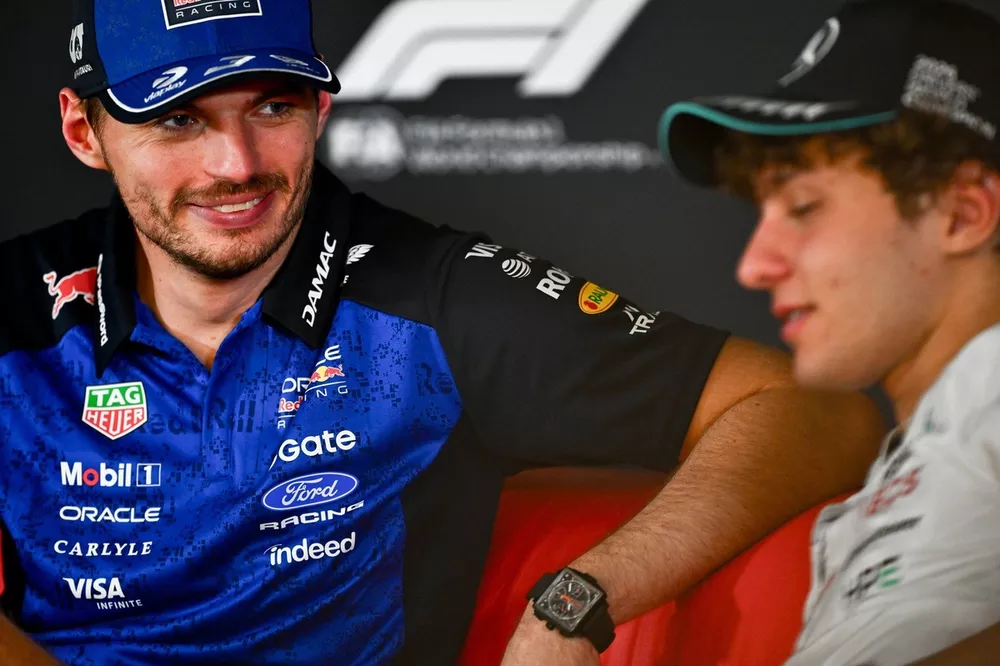
Verstappen praises 'huge talent' Antonelli after youngest-ever F1 title record
-
 Formula 1 ·
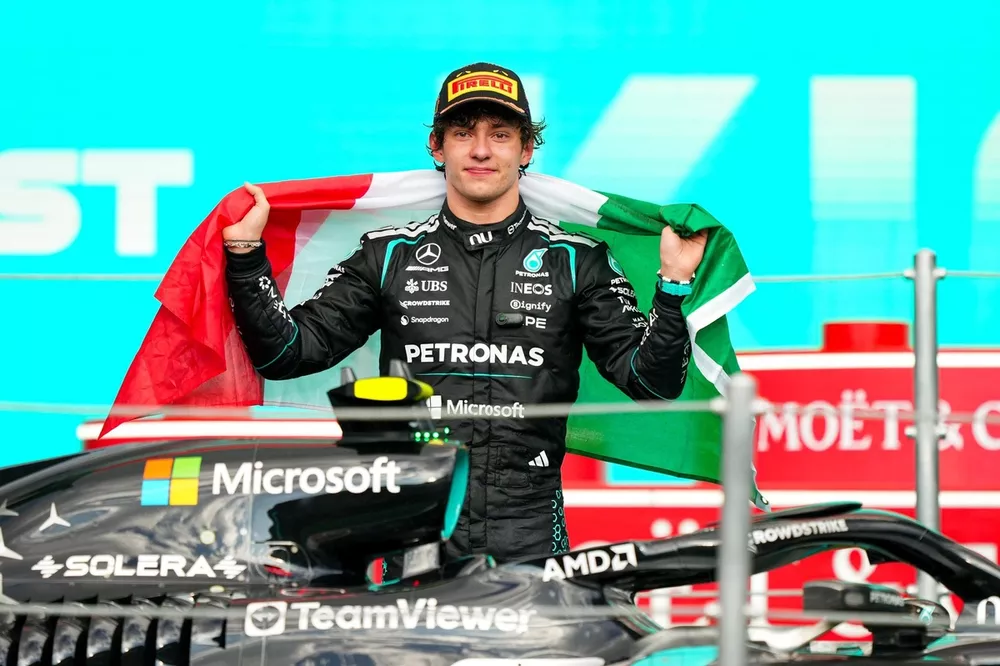
Antonelli's maiden F1 title in Mexico nearly ended by a cracked sump four laps from glory
-
 Formula 1 ·
Formula 1's 1980 world champion Alan Jones dies aged 80 after short illness