Alonso warns 2026 rules are killing F1's greatest circuits as future talks continue
Fernando Alonso has spoken out against Formula 1's 2026 technical regulations, arguing they force drivers to coast through high-speed corners to harvest energy — and says his enjoyment of the racing product matters more than Aston Martin's competitiveness when deciding his future.
2 min read
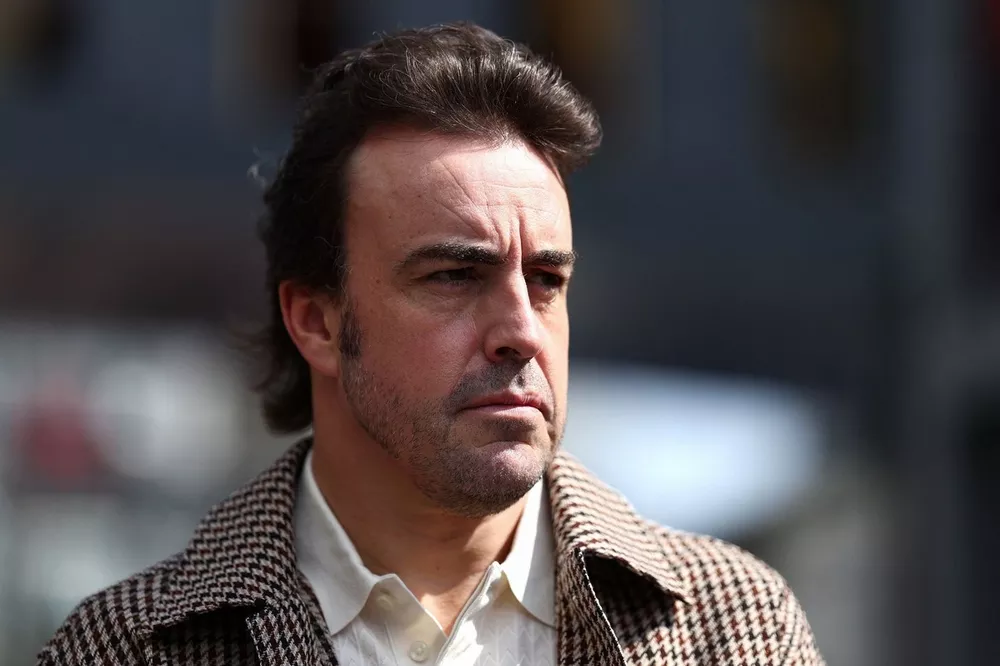
Fernando Alonso has warned that Formula 1’s 2026 technical regulations are undermining the sport’s greatest circuits, saying his frustration with the rules is a bigger factor in his future plans than Aston Martin’s lack of competitiveness this season.
Speaking in Baku, the two-time world champion clarified recent talks he has held with FIA president Mohammed Ben Sulayem, insisting his primary concern is the racing product itself rather than the separate question of whether Honda will receive additional support through the ADUO catch-up mechanism for struggling power unit manufacturers.
“We are less competitive than the grid, yes. But I don’t think that’s the critical point for me to make a decision,” Alonso told reporters. “Next year, there is a change already with the 60-40 ratio and that will improve things. But maybe there are more things that we need to think about to keep improving things. That’s the way I see it.”
The 2026 regulations place a heavy emphasis on battery management, requiring drivers to coast through high-speed corners in order to harvest electrical energy — a counter-intuitive approach that Alonso argues runs against the instincts built over a lifetime of racing.
“As I said in Madrid, that’s part of my responsibility as well. I drove long enough here,” he said. “We all come from junior formulas, from karting, Formula 3, Formula 2, where we drive within this driver’s instinct to go fast — attacking the corners and taking some risks. And then you get to Formula 1 and you need to rewind a little bit what you learned in the last 20 years of your career. There is no other series in motorsport where you need to drive slow to go fast.”
Plans are already in place to address some of those concerns for 2027 and beyond, with a gradual shift towards a 60-40 split between combustion power and electric energy. An increase in fuel flow is also expected to reduce reliance on battery harvesting and allow drivers to push harder through corners.
Alonso, however, is pressing F1 and the FIA to go further, and his ongoing talks with Ben Sulayem reflect a desire to keep the conversation open beyond the changes already signed off. He is expected to remain with Aston Martin for the 2026 season, but has made clear that his continued presence in the sport is tied to whether the regulations evolve in a direction he finds satisfying as a racing driver.
“This year has been some good races and bad races,” he added. “And I think we need to learn from those.”
Read also
-
 Formula 1 ·
Red Bull extends Hadjar's contract to keep him alongside Verstappen in 2027
-
 Formula 1 ·
Ocon declares himself a free agent as Haas stalls on 2027 driver decision
-
 Formula 1 ·
Antonelli leads championship by 81 points with 'zero sign' of pressure, says Palmer
-
 Formula 1 ·
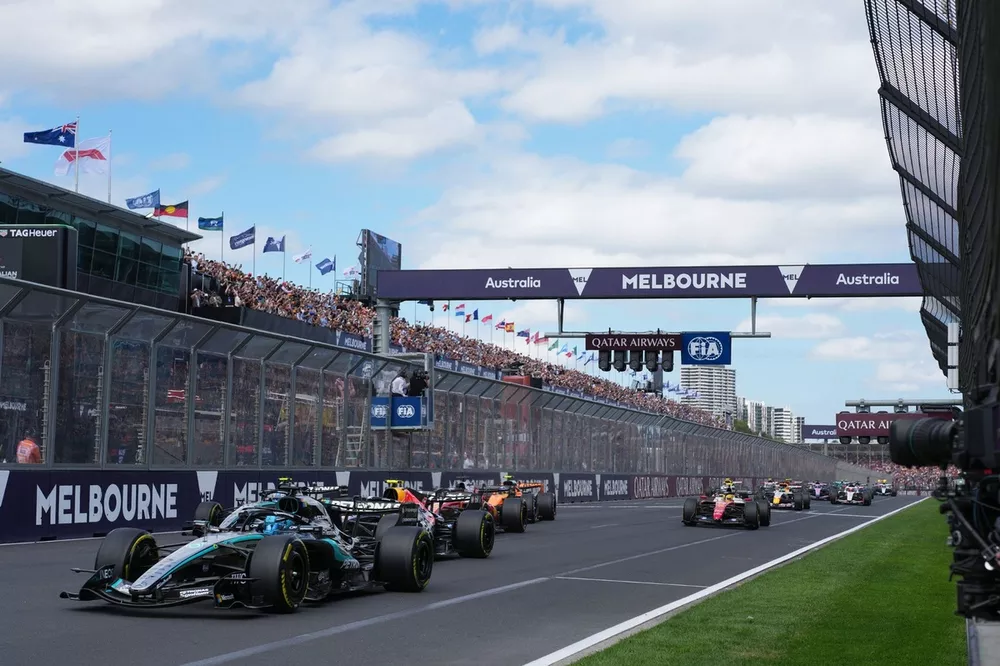
F1 confirms 3.0-litre V8 turbo direction for 2030 engine rules as NA option dropped
-
 Formula 1 ·
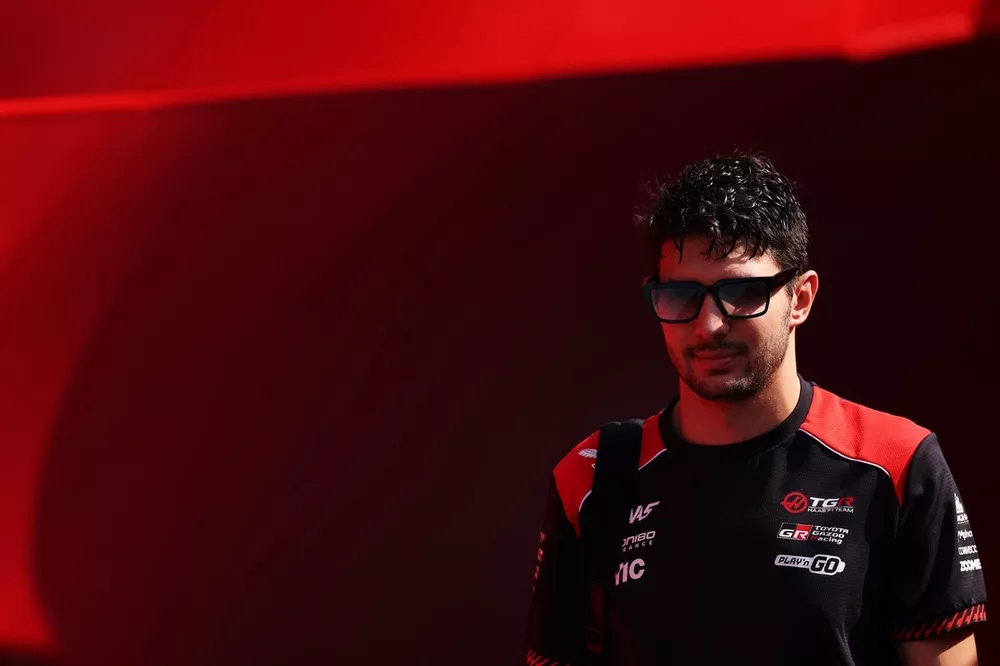
Ocon declares himself a 'free agent' as Haas weighs up 2027 driver options
-
 Formula 1 ·
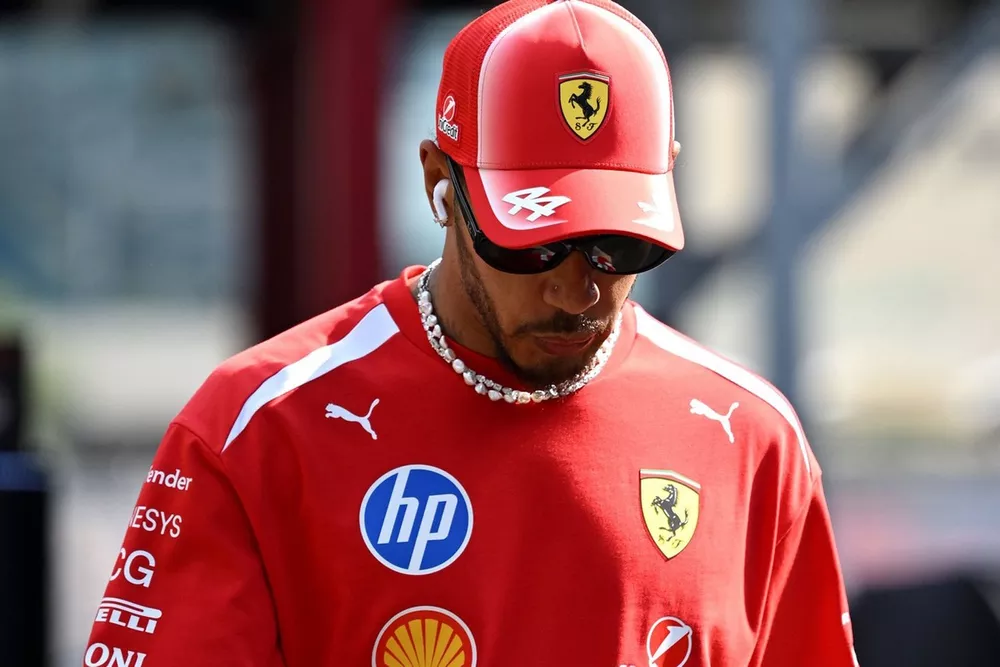
Hinchcliffe declares Hamilton and Ferrari's 2026 F1 title bid over after Spanish GP retirement

 Gibraltar