All Blacks 2IC Neil Barnes signals shift away from collision rugby ahead of 2026 squad
New All Blacks assistant coach Neil Barnes says the Dave Rennie-led regime is deliberately moving away from collision-based rugby, with Monday's squad announcement designed to identify players who can execute a skill-and-evasion style.
2 min read
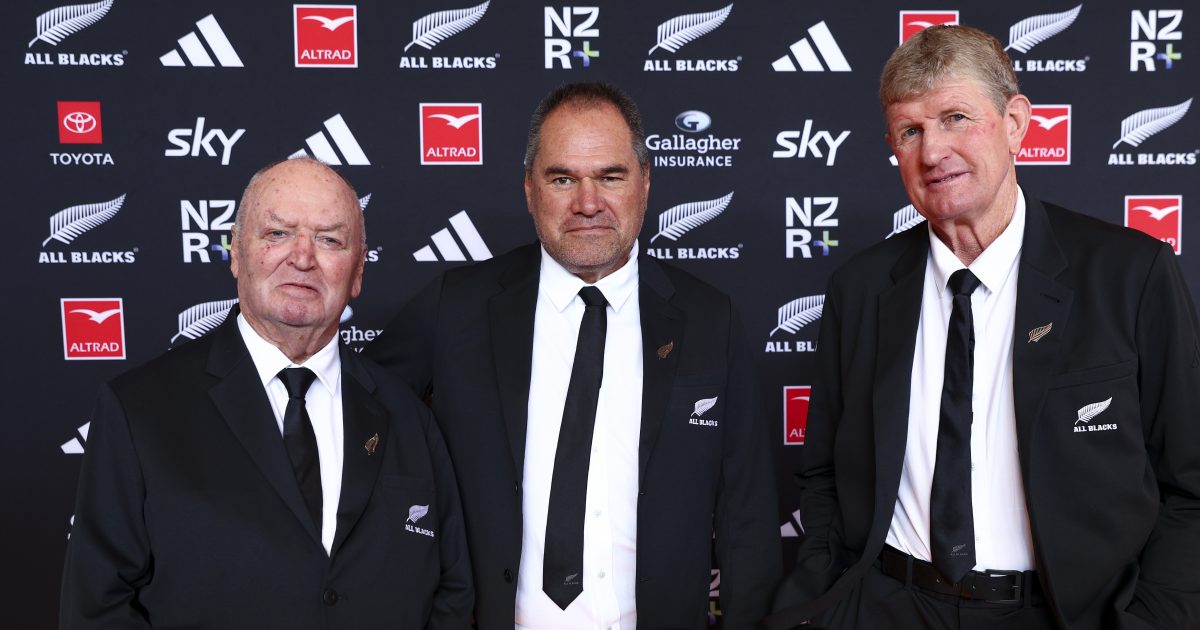
New All Blacks assistant coach Neil Barnes has outlined a deliberate tactical reset under head coach Dave Rennie, with the 2026 squad announcement on Monday serving as the first concrete expression of a philosophy built around skill and tackle evasion rather than collision dominance.
Barnes, who joined Rennie’s ticket three months before the squad was named, told Sport Nation’s Scotty Stevenson and Israel Dagg that the coaching group — which also includes selector Sir Graham Henry — used the bulk of the Super Rugby Pacific season to identify players capable of executing their vision.
“We got together as a group of coaches way, way back, and we decided how we’re going to play the game,” Barnes said. “Rens is pretty strong on work ethic, and a game that you’re taking as many opportunities as you can to play, so the players have to be fit and need to be relentless in their work rate. We still want to be physical; we still want to be dominant. All the things you need, the basics of the game have to be done, but we’re looking for a player with skill sets that can play.”
Barnes described the drift toward collision-heavy rugby in New Zealand as a regression, and framed the shift back to pace and space as both a performance imperative and a matter of national identity.
“The game in this country has gone back to being very much collision-based rather than what we’ve been used to working with — pace and skill-sets, and trying to find space to play,” he said. “At the end of the day, we’re talking about the legacy of an All Blacks jersey and what makes this country proud, and I think this country would rather see us trying to play that style of rugby than just being conservative and hoping that we get a result.”
The forwards coach was careful to stress that physicality remains non-negotiable, particularly given the power-based threats posed by sides like South Africa and France. “You’ve still got to be able to handle that. Our forwards, particularly, and the boys through the middle of the field, you’re still going to be able to handle the South Africas and Frances of the world that are going to come straight at you, and if you can’t, you’re going to get found out.”
Barnes also credited fellow assistant Jason Ryan — a specialist in forward play — for helping him maintain balance between the expansive vision and the physical realities of Test rugby. “People like Jason Ryan have been awesome for me, because he’s been in this mix at this level and understands it. So he’s had to strike me up a few times when I get out of line.”
Rennie won the head coaching role in large part on the strength of what selectors described as a clear and coherent playing vision, and Monday’s squad will be the first public signal of how that vision translates into personnel.
Read also
-
 Rugby ·
Northampton's young guns end English drought in Champions Cup with 28-12 win over Cardiff
-
 Rugby ·
Leroy Carter ruled out for 2026 as All Blacks injury crisis deepens ahead of Europe tour
-
 Rugby ·
Emily Chancellor retires from Wallaroos after 41 caps and eight-year international career
-
 Rugby ·
Hurricanes lock up All Black prop Siale Lauaki on long-term deal through 2029
-
 Rugby ·
Hansen hails Black Ferns' clinical 81-12 demolition of France in Hamilton opener
-
 Rugby ·
Pifeleti targets November return as France-based players fuel USA's Nations Cup surge

 Spain U17 W