2026 World Cup format explained: tiebreakers, third-place rules and the new Round of 32
The 2026 FIFA World Cup expands to 48 teams across 12 groups, introducing a first-ever Round of 32. Here is how points, tiebreakers, and third-place qualification will determine who advances from the group stage.
2 min read
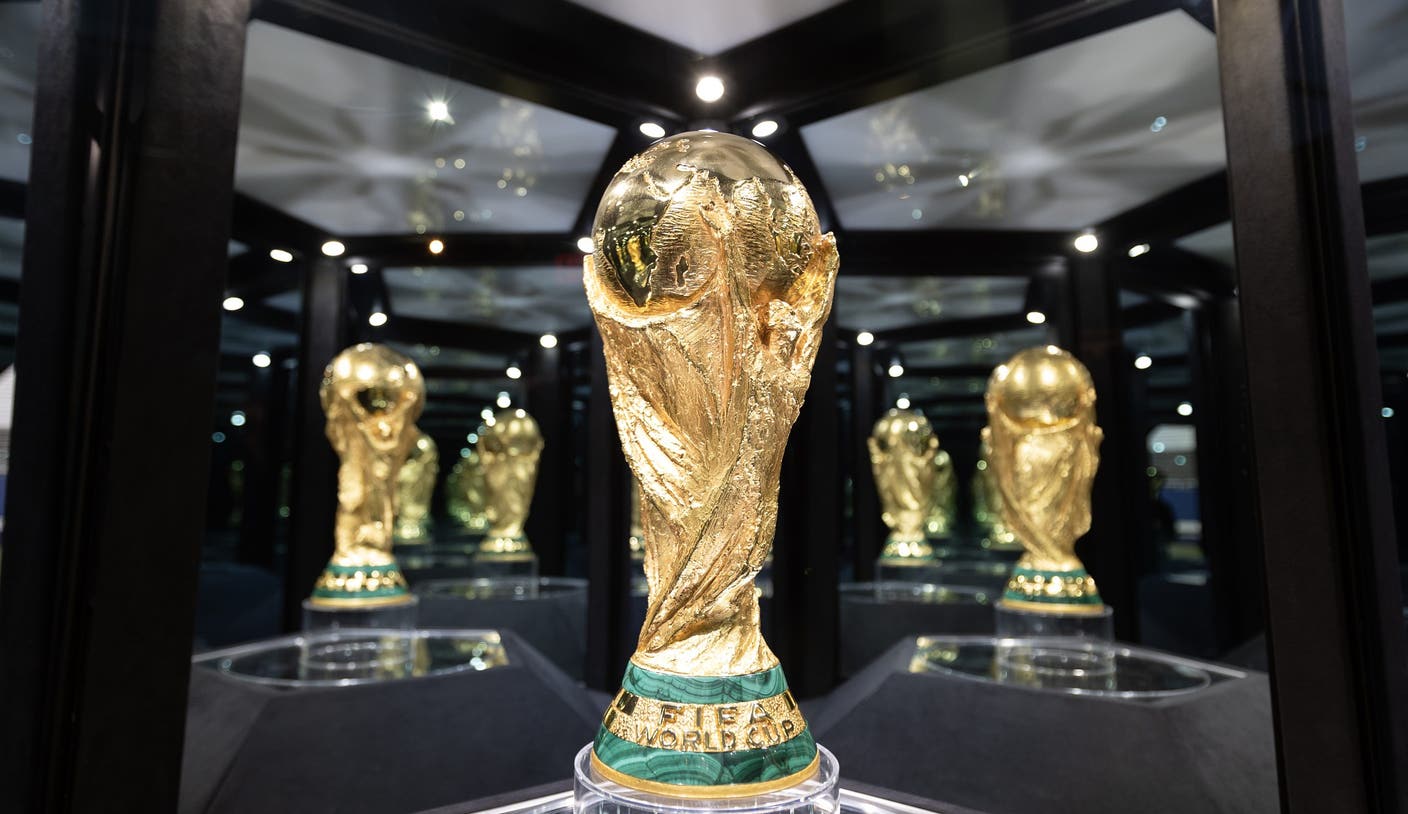
The 2026 FIFA World Cup will operate under a significantly different format from any previous edition, with 48 teams split into 12 groups of four competing across 16 cities in three co-host nations — the United States, Canada, and Mexico. Understanding how teams progress from the group stage requires a closer look at the new rules governing tiebreakers and third-place qualification.
How the group stage works
Each of the 48 teams plays three group-stage matches. The top two finishers from all 12 groups advance automatically to the knockout rounds, producing 24 qualifiers. To complete a Round of 32 — a first in World Cup history — the best eight third-place teams from across the 12 groups also advance, bringing the total to 32.
A team that reaches the final will need to win eight matches in total, one more than was required under the previous 32-team format used from 1998 through 2022.
Points and tiebreakers
The standard points system applies: three points for a win, one for a draw, none for a defeat. When two or more teams finish level on points, the following criteria are applied in order to separate them.
First, FIFA looks at points earned in the head-to-head matches between the tied teams. If that does not resolve the tie, goal difference in those same head-to-head games is considered, followed by the number of goals scored in them.
If teams remain level after those three criteria, the tiebreaker widens to all group matches: overall goal difference, then overall goals scored, then a team conduct score based on yellow and red card accumulation. If sides are still inseparable, FIFA World Ranking serves as the final arbiter.
Which third-place teams advance?
With 12 groups each producing one third-place finisher, eight of those 12 sides will earn a place in the Round of 32. The same hierarchy of tiebreakers — points, goal difference, goals scored, and so on — is applied across all third-place teams simultaneously to identify the top eight.
This mechanism mirrors the system used at the 1994 and 1998 World Cups, when 24 teams competed in six groups and the best four third-place finishers advanced, though the scale in 2026 is considerably larger.
Why it matters
The expanded format means more nations have a realistic path to the knockout rounds, and the margin for error in the group stage is slightly greater than before. A team that loses its opening game is no longer necessarily eliminated — a strong recovery across the remaining two matches could still be enough to finish third and qualify among the best eight.
The final is scheduled for 19 July 2026.
Read also
-
 MMA ·
MMA ·Dumont targets Perez at UFC Vegas 121 after months of personal rivalry boil over
-
 MMA ·
MMA ·Ruffy takes full blame for Tsarukyan KO: 'It was my fault, my carelessness'
-
 MMA ·
MMA ·Champion Gaethje dismisses Topuria rematch talk and hints at retirement after title upset
-
 MMA ·
MMA ·Retired UFC champion Lawler returns to wrestling mats to face Chimaev at RAF 14
-
 MMA ·
MMA ·Jose Aldo eyes 2027 boxing return with Spaten Fight Night: 'Money talks'
-
 MMA ·
MMA ·Dana White backs Andy Foster's bid to ban oblique kicks from MMA rulebook
 Solomon Islands