Williams sacrifices 2026 aero upgrades to protect 2027 rebuild, Vowles admits
Williams team principal James Vowles has confirmed the Grove outfit deliberately withheld windtunnel-proven aerodynamic upgrades from its 2026 car to preserve cost-cap resources for 2027, calling the decision 'horribly painful' after a troubled season.
2 min read
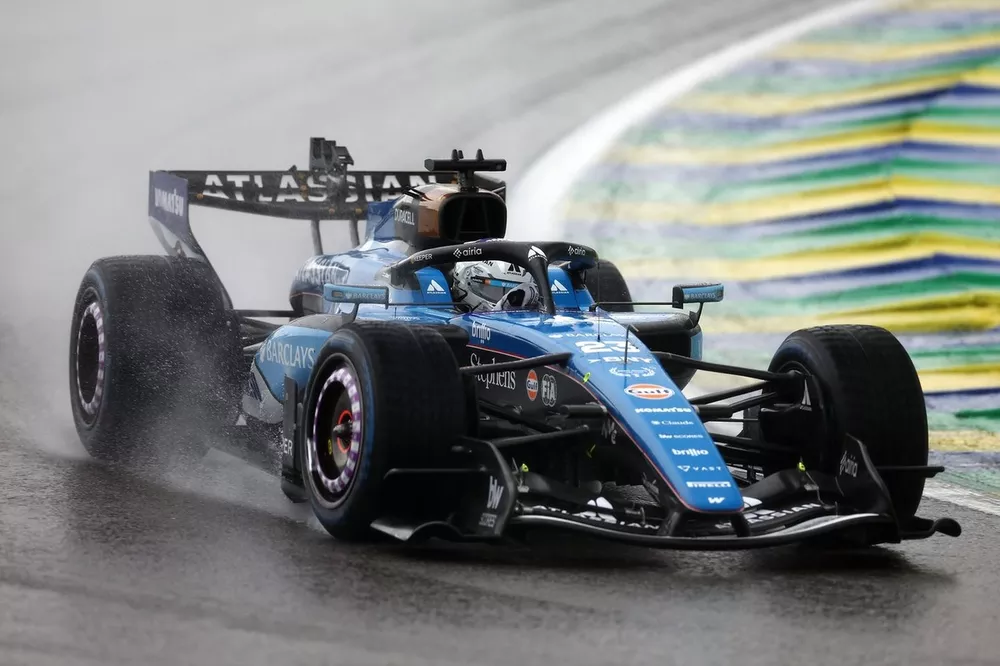
Williams has chosen to leave confirmed aerodynamic gains on the shelf rather than bring them to the track, with team principal James Vowles ringfencing cost-cap resources for the 2027 car project instead. The decision comes after a difficult 2026 campaign in which Williams arrived with a car that was late, overweight, and aerodynamically underdeveloped — leaving the team with just 12 points on the board.
“We’ve purposely not spent money — we had more aero locked away in the wind tunnel that we have not brought to the track, really saving the cost cap dollars for next year,” Vowles said at the Brazilian Grand Prix. “It’s horribly painful. I can’t tell you how painful it was to sit in the meeting and make those decisions, because it’s just not the way you think. You want every millisecond on track.”
The Grove-based team had hoped that internal progress made during 2025 would translate into a stronger showing under the new regulations, but the sheer workload of building an entirely new car overwhelmed its factory systems. Williams subsequently poured resources into getting its chassis to the weight limit, introducing a revised example in Azerbaijan that will carry over into next year.
Beyond the aerodynamic freeze, Williams is also running tight on spare parts, deliberately “pushing everything to the limit of mileage” to avoid spending on components that will soon be obsolete. The team has additionally used recent Friday practice sessions as development runs for 2027 rather than tools for optimising weekend performance — a strategy Vowles confirmed extended through the Austin and Mexico City rounds.
“The work we’ve been doing in Austin, Mexico was preparation work for 2027 as well,” he explained. “Understanding the package, the aero development mechanisms we’ve gone through — it helps us get ahead of the curve.”
Vowles was candid about the team’s near-term ceiling, acknowledging that points in the remainder of 2026 will depend largely on circumstance. “We’re aware that with this car at the moment, points are only going to be there if fortune falls our way,” he said. “The reality behind it is we’re better off investing in the future.”
The approach reflects a broader strategic reset at Williams, which has been rebuilding its infrastructure and personnel base since Vowles joined from Mercedes in 2023. With the 2027 regulations representing another wholesale reset for the sport, the team is betting that disciplined resource management now will yield a more competitive baseline when the next era begins.
Read also
-
 Formula 1 ·
Wolff reveals he offered Mercedes his resignation several times as Källenius refused to let him go
-
 Formula 1 ·
Pedrosa's MotoGP bike beats Red Bull F1 car in five-way ice race on frozen Wisconsin lake
-
 Formula 1 ·
Steiner warns Piastri's McLaren seat could be gone if 2027 mirrors troubled 2026
-
 Formula 1 ·
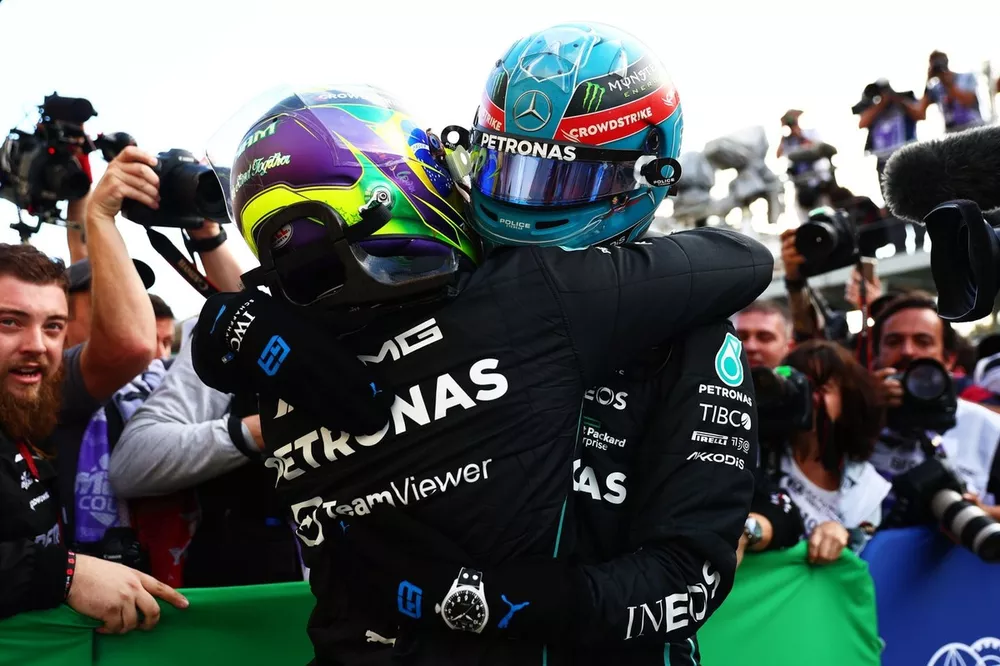
Wolff reflects on four lean years as Mercedes seal ninth constructors' title
-
 Formula 1 ·
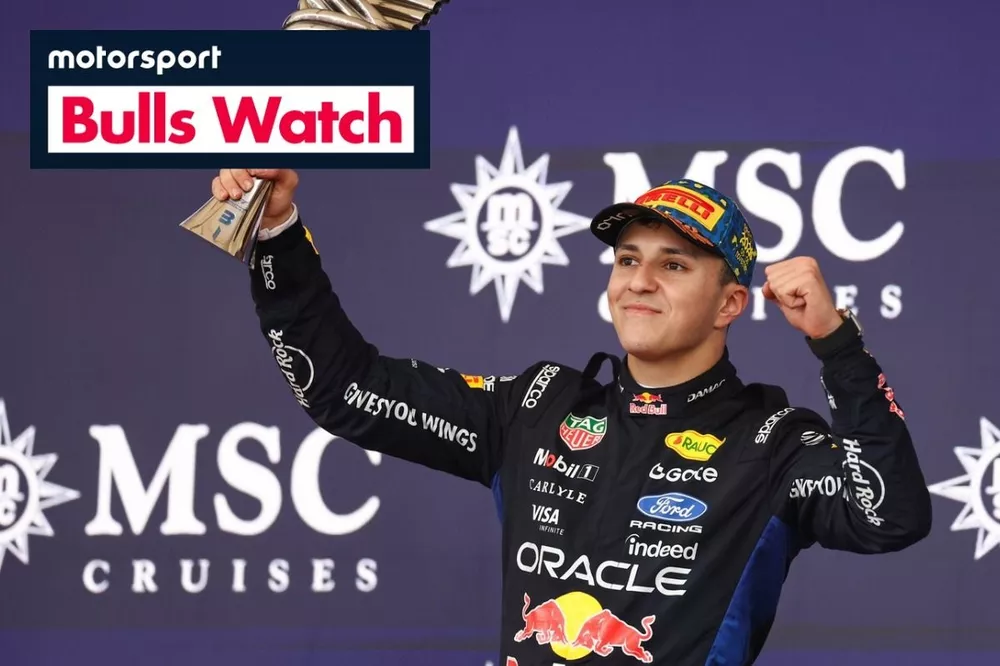
Mekies hails Hadjar's Brazil third as his best Red Bull drive yet
-
 Formula 1 ·
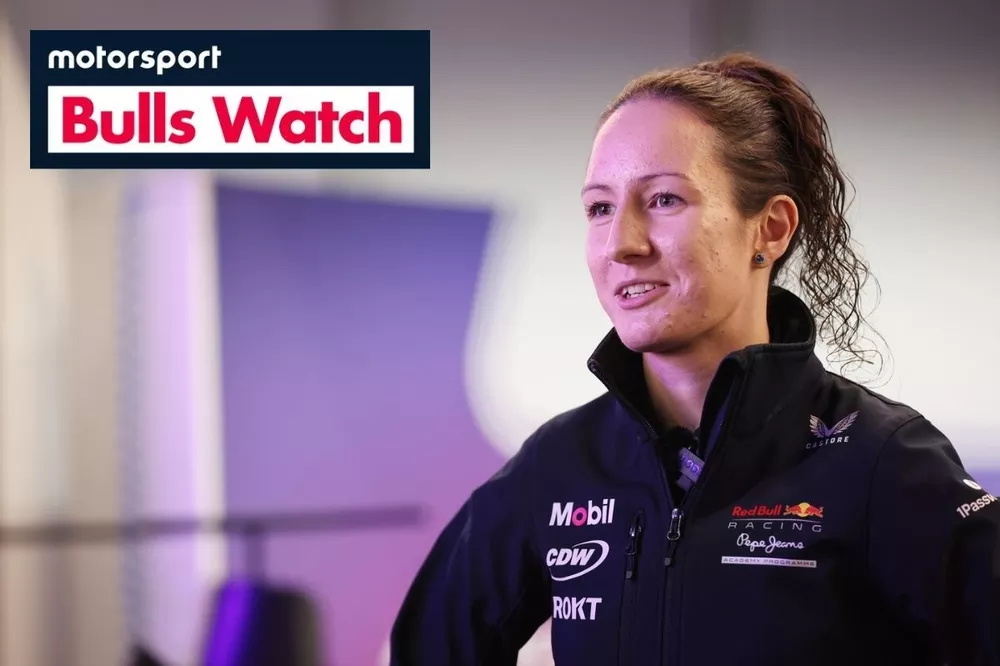
F1 Academy champion Palmowski credits Verstappen's mentality for sealing 2026 title

 United Arab Emirates