Thirty years on, Cantona stands by his kung-fu kick and regrets not striking elsewhere
In an interview with the Guardian, Éric Cantona reflects without remorse on his kung-fu kick against a Crystal Palace supporter in January 1995, claiming he only regrets not aiming elsewhere.
1 min read

Éric Cantona has no regrets. Thirty years after his kung-fu kick against a Crystal Palace supporter on 25 January 1995, the former Manchester United striker fully stands by his gesture in an interview with the Guardian.
“I know people expect me to say: ‘Oh, I regret it’. No, I don’t regret it. If I regret something, it’s not striking elsewhere!” he declared.
The kick, filmed in the stands at Selhurst Park, made headlines worldwide long before the age of social media. Initially sentenced to two weeks in prison, Cantona had his sentence commuted on appeal to 120 hours of community service. On the sporting front, the punishment was far heavier: an eight-month ban, or 248 days out, before his return to competition on 1 October 1995 at Old Trafford, against Liverpool.
The day after the incident, on 27 January 1995, L’Équipe devoted its entire front page to the incident with a single word in capital letters: “INDEFENSIBLE”. A media reaction that Cantona has not forgotten. “The kung-fu kick was heavily criticised, especially by journalists,” he recalls. “But today, it’s a more positive symbol.”
The Marseille native thus joins Zinédine Zidane in the pantheon of iconic — and controversial — gestures in French football. Like the headbutt in the 2006 World Cup final, Cantona’s kung-fu kick has moved from scandal to legend, carried by time and the complete absence of remorse from its author.
Read also
-
 Football ·
PSG to defend Intercontinental Cup title on December 18 in Qatar against unknown opponent
-
 Football ·
Illness-hit Fernandes a doubt as 19th-place United host sixth-place Brentford
-
 Football ·
Chevalier considering PSG exit in January to regain playing time
-
 Football ·
Zabiri, 12 goals in 14 Liga matches, establishes himself as Morocco's new striker
-
 Football ·
Bogle reveals how Farke's calmer philosophy has transformed him at Leeds
-
 Football ·
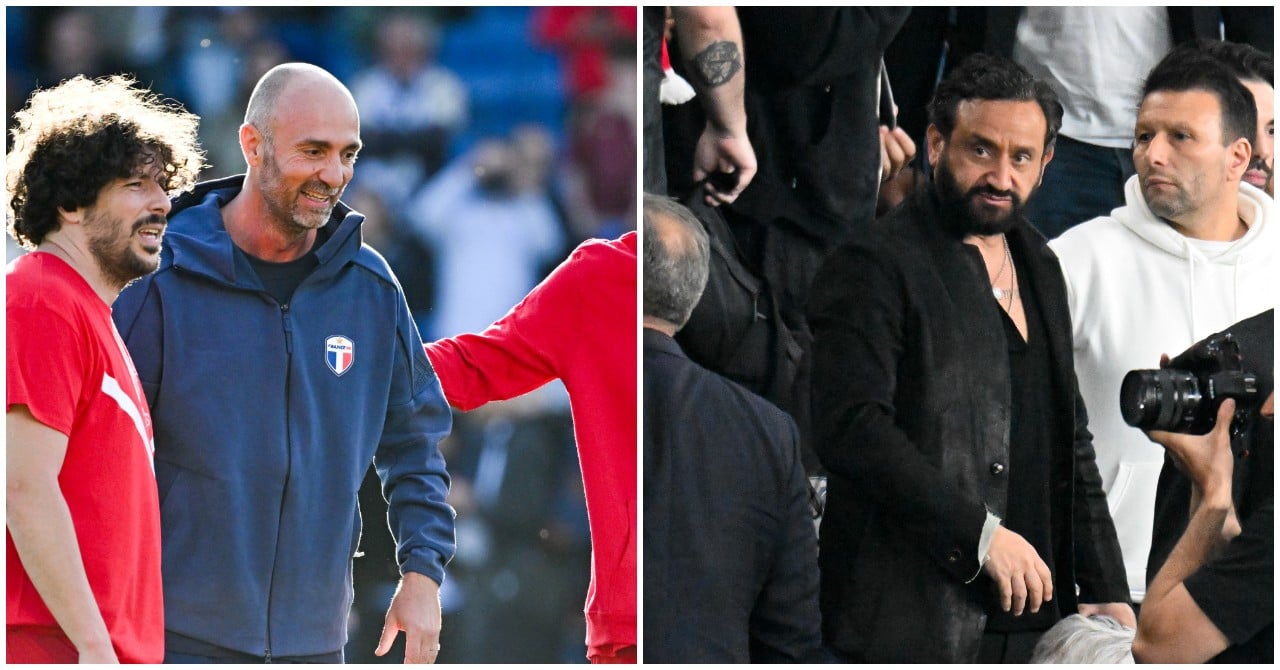
Dugarry defends Hanouna in Guingamp affair, who thanks him warmly
 Chinese Taipei W