Sainz proposes corner-exit boost to replace DRS in F1's 2030 regulations
Carlos Sainz has outlined a new overtaking aid concept for F1's 2030 ruleset, suggesting a corner-exit power boost to offset dirty-air losses rather than a straight-line DRS activation that makes passing too easy.
2 min read
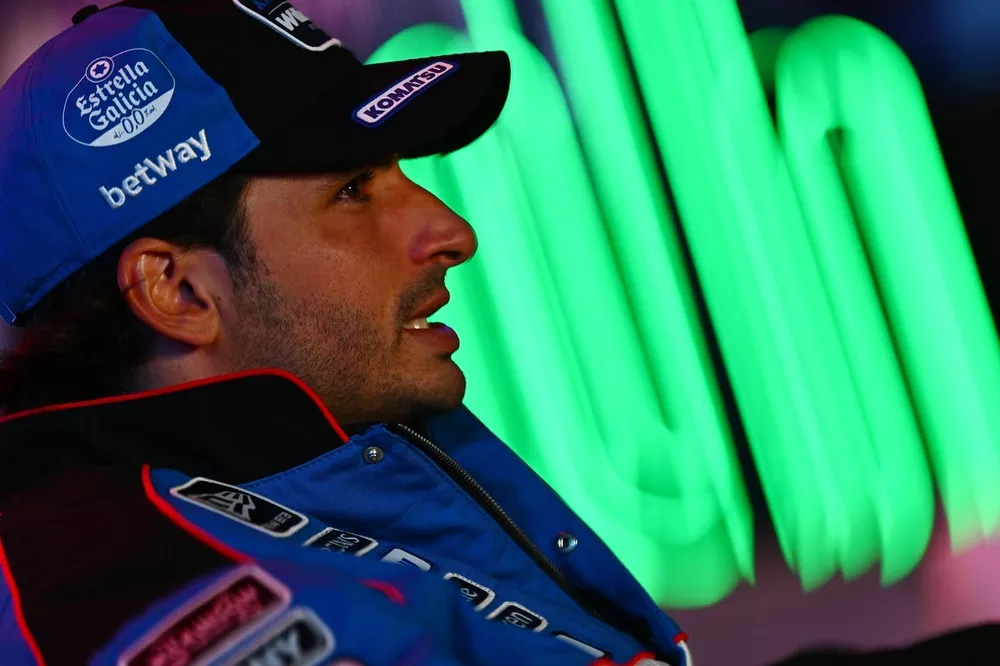
Carlos Sainz has put forward a specific proposal for how Formula 1 should redesign its overtaking systems under the 2030 regulations, calling for a corner-exit power boost that rewards driver skill rather than simply catapulting a chasing car past the leader on a straight.
The Williams driver and Grand Prix Drivers’ Association director shared his thinking as F1 prepares to formally approve the switch to turbo V8 power units at the FIA World Motor Sport Council meeting in Shanghai on 12 December. The new engines will be paired with a smaller electric unit of up to 200kW and run on sustainable fuel, making them simpler, lighter, and less reliant on battery energy than the current hybrid formula.
Sainz’s idea stems directly from the Las Vegas Grand Prix, where a record 35 lead changes produced an absorbing but divisive spectacle. The powerful slipstreaming effect combined with a power-unit boost mode created so-called yo-yo racing, in which the lead car repeatedly became a sitting duck on the straights. The debate that followed sharpened focus on how F1 should calibrate its aerodynamic and power-unit parameters for the next rules cycle.
“I think the delta on speed should come more at the beginning of the straight when you are trying to get the slipstream rather than at the end of the straight when the overtaking and the delta speed is too high,” Sainz explained. “The power on the overtake mode, push to pass, DRS, whatever you want to call it, should happen exiting the corner, so that you have an extra power boost to catch up what you are losing in the corner due to dirty air — but the boost shouldn’t then help you to finish the overtake.”
The logic is that a following car loses the most time in the corners, where turbulent air from the car ahead disrupts its aerodynamic downforce. By concentrating any artificial boost at that point rather than mid-straight, the system would close the gap created by dirty air without handing the chasing driver an automatic pass.
Max Verstappen has also weighed in on his own wishlist for the 2030 regulations, with both drivers’ input feeding into the broader consultation process as F1 and the FIA work to align chassis and aerodynamic rules with the new power units. The sport is giving itself until 2030 to properly develop that combination, with the explicit goal of producing a better on-track show than the current generation of cars has consistently delivered.
Read also
-
 Formula 1 ·
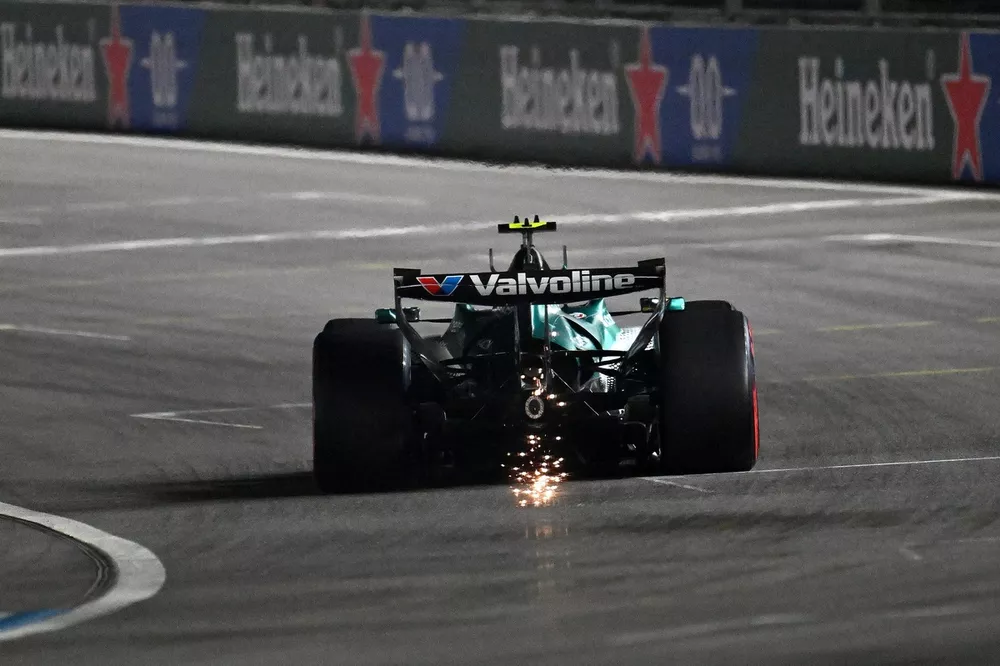
Honda finds no fault after Alonso's 'broken engine' retirement in Las Vegas
-
 Formula 1 ·
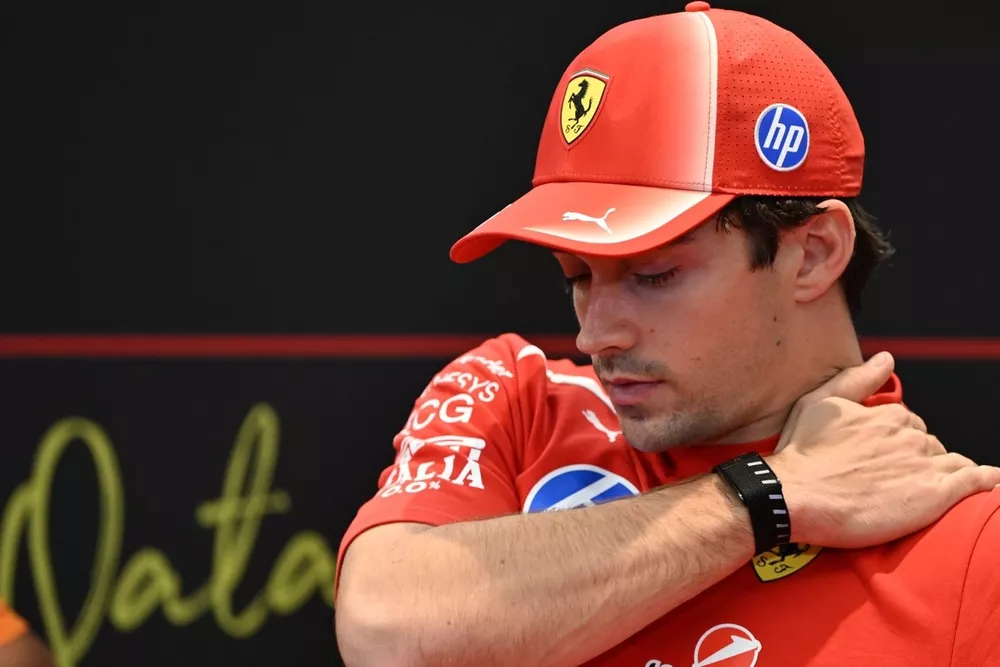
FIA uses Kahoot! quiz to draw Hamilton and drivers into stewarding debate at annual summit
-
 Formula 1 ·
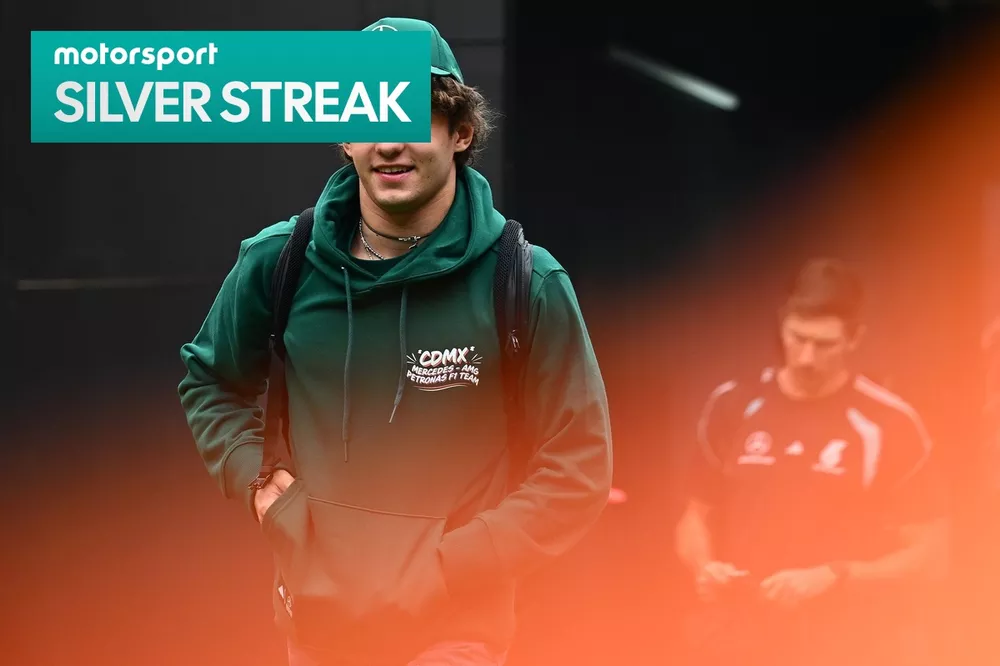
Wolff confirms Antonelli deserves a pay rise after F1 title on €4m salary
-
 Formula 1 ·
World champion Antonelli wants Nordschleife run with Verstappen — if Toto Wolff agrees
-
 Formula 1 ·
Lambiase absent in Qatar as Hart steps in to engineer Verstappen again
-
 Formula 1 ·
Verstappen loses regular engineer Lambiase for Qatar GP as Hart steps in permanently

 Colombia U17
