Rugby Australia moves to merge Wallaroos and Sevens programmes ahead of 2029 World Cup
Rugby Australia is pushing to unite its women's XVs and Sevens programmes under a single high-performance system, with players and executives backing the shift as the country targets success at the 2029 Women's Rugby World Cup on home soil.
2 min read
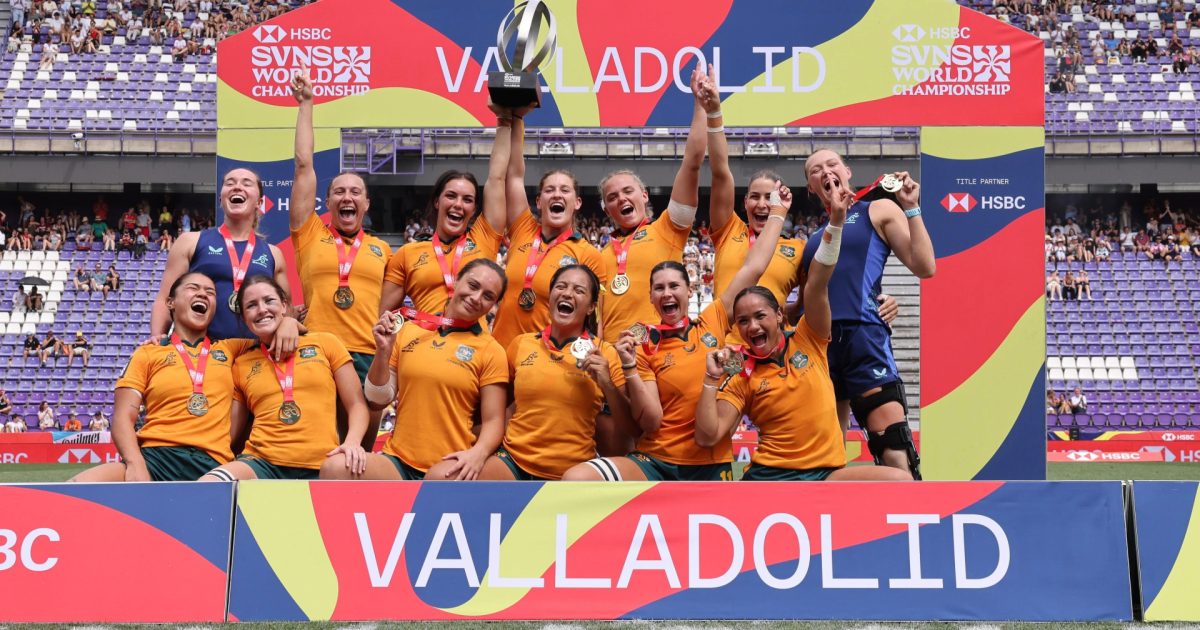
Rugby Australia is accelerating plans to merge its Wallaroos and Sevens programmes into one unified high-performance system, with players, executives, and the Rugby Union Players Association all signalling support for the structural overhaul ahead of the 2029 Women’s Rugby World Cup in Australia.
The push has gained momentum following a successful cross-pollination of talent across the 2026 Super Rugby Women’s season, where all Australian franchises drew on both HSBC World Series athletes and domestic NextGen Sevens players. The reception, by all accounts, has been unanimously positive.
Rugby Australia’s new Director of Women’s High Performance, Tim Walsh, has been the most direct voice on the direction of travel. “Our biggest thing is to have alignment and maximise the talent that we have,” Walsh said in mid-June. “We’ve got two formats, we’re going to have one system and shared success.”
Rugby Australia CEO Phil Waugh echoed that view, pointing to leading international programmes that have already integrated their sevens and XVs pathways. “We haven’t necessarily utilised our athletes across both programmes as well as others have,” Waugh said. “I think there’s a real opportunity there to bring the programmes together and get success by putting our best athletes in a campaign for whichever campaigns are prioritised at the time.”
The structural groundwork is also being laid off the field. The Rugby Union Players Association (RUPA) has amended its Constitution to recognise Women’s XV players — including Wallaroos and Super Rugby Women’s athletes — as full Members of the Association, a move described as a significant step toward full professionalism across the women’s game.
“Rugby’s greatest growth opportunity is the women’s game, and that is especially true in Australia with a World Cup on the horizon in 2029,” RUPA CEO Adrian Turner said. “The players at the centre of that growth deserve to be properly represented and to share in what they help build.”
On the field, the two-way exchange of talent has already produced tangible results. Sevens star Alysia Lefau-Fakaosilea, who returned to the Reds squad this season, described the adjustment between formats as a genuine learning curve. “From sevens to XVs is quicker, more space on the field,” she said. “I’m also learning as well.”
Meanwhile, players such as Desiree Miller and Maya Stewart — the latter having made a successful HSBC SVNS Series appearance in Singapore — have been credited with raising standards in the Super Rugby Women’s environment by bringing the discipline and intensity of the high-performance sevens programme with them.
With the Super Rugby Women’s semi-finals set to get underway this weekend, the competition itself is serving as a live testing ground for the integrated model Rugby Australia hopes to formalise in the years leading up to the home World Cup.
Read also
-
 Rugby ·
Wallabies and All Blacks to clash at MCG on July 31 in 2027 Bledisloe Cup
-
 Rugby ·
Savea and ten others ruled out as All Blacks name injury-hit Nations Championship squad
-
 Rugby ·
Borthwick names 36-man England squad with Spencer and Hill among notable omissions
-
 Rugby ·
Ratier sees progress but admits injuries are mounting after France's third straight Black Ferns defeat
-
 Rugby ·
Leicester mock Pollock as 'child in Saints kit' after 28-7 derby demolition
-
 Rugby ·
Redelinghuys finds silver lining as Australia A rout USA XV 61-12 in Nashville