Rabiot accuses Serie A referees of lying after Milan-Genoa
Despite AC Milan's victory over Genoa (2-1) in Serie A's 11th round, Adrien Rabiot sharply criticized the refereeing on social media, denouncing an overly lenient yellow card for a deliberate foul that denied him a clear scoring opportunity.
1 min read
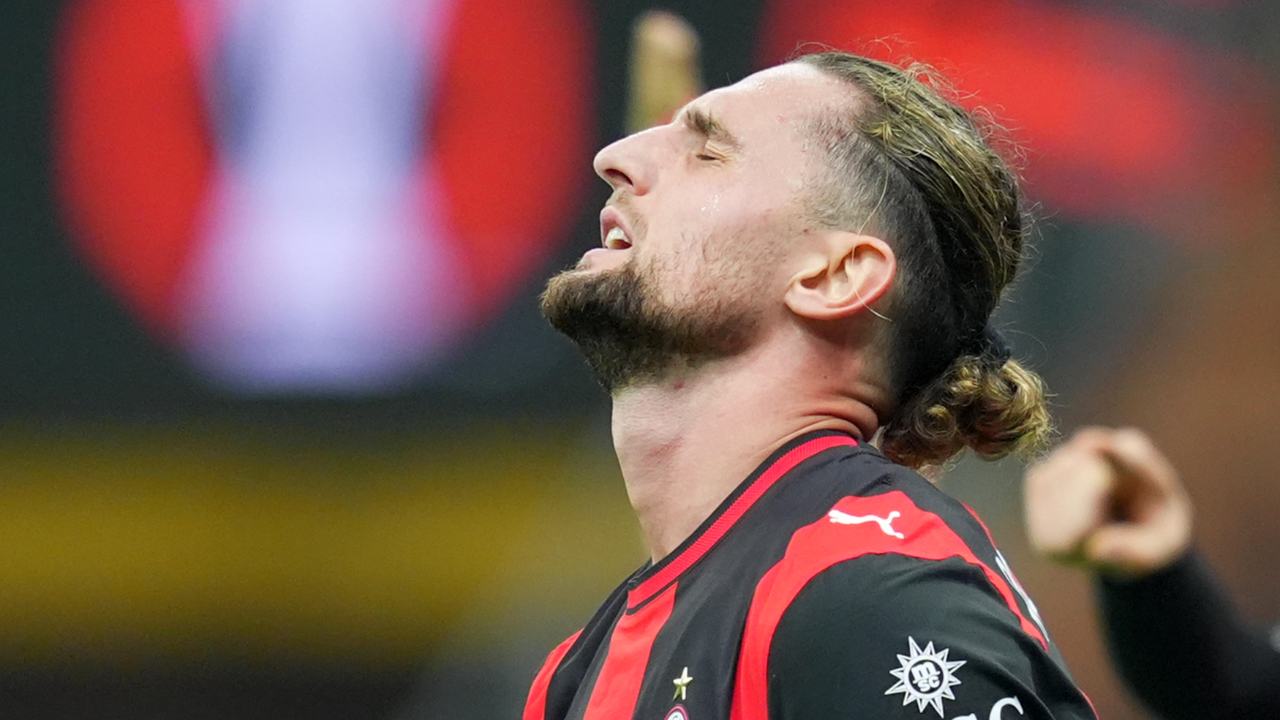
Adrien Rabiot took aim at Serie A’s refereeing body on social media Sunday evening, hours after AC Milan’s 2-1 victory over Genoa in the Italian championship’s 11th round.
The controversy erupted early in the second half. Launched on a counter-attack, the French midfielder was deliberately fouled by Alessandro Marcandalli at midfield level, as he found himself alone in front of goal. Referee Davide Massa sanctioned the challenge with a simple yellow card, a decision the Milan camp immediately deemed too lenient. Rabiot protested, received a caution himself, and tension spilled onto the bench: three members of the Rossoneri staff, including the club’s doctor, were sent off.
With victory secured, the debate continued on Instagram. Former Serie A referee Gianpaolo Calvarese defended Massa, citing notably the 65-meter distance separating the incident from goal to justify the lenient yellow card. When supporters pressed him on this analysis, Rabiot responded bluntly.
“In life as in football, you can make mistakes. You at least have to know how to admit them. Constantly lying won’t get you anywhere. And it’s Italian football that pays the price. Think about it. Good evening,” he wrote.
Contacted by Gazzetta dello Sport, Calvarese conceded it was a “gray area,” while maintaining that the distance from goal justified the referee’s decision. Rabiot’s outburst, coming from a player who has had a remarkable start to the season in the Milan shirt, reignites a recurring debate over the consistency of refereeing decisions in Serie A.
Read also
-
 Football ·
Dorgu's 96th-minute header rightly stood against Villa, says ex-referee, as Cunha named main offender
-
 Football ·
Ramdane's father's death could reopen door for Luca Zidane in Algeria squad
-
 Football ·
Trafford reveals 'horrendous' mental toll of losing his place at Manchester City
-
 Football ·
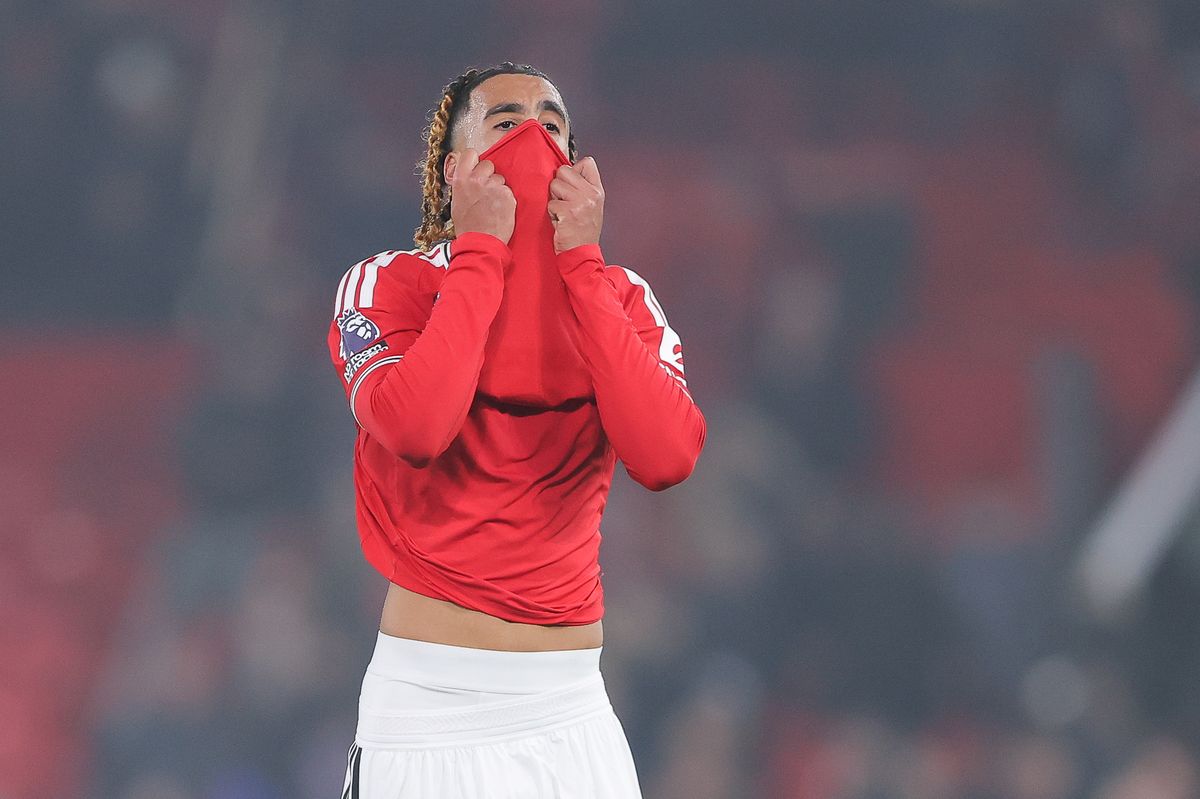
Neville warns Man Utd's makeshift defence will 'get you relegated' after 4-4 Villa chaos
-
 Football ·
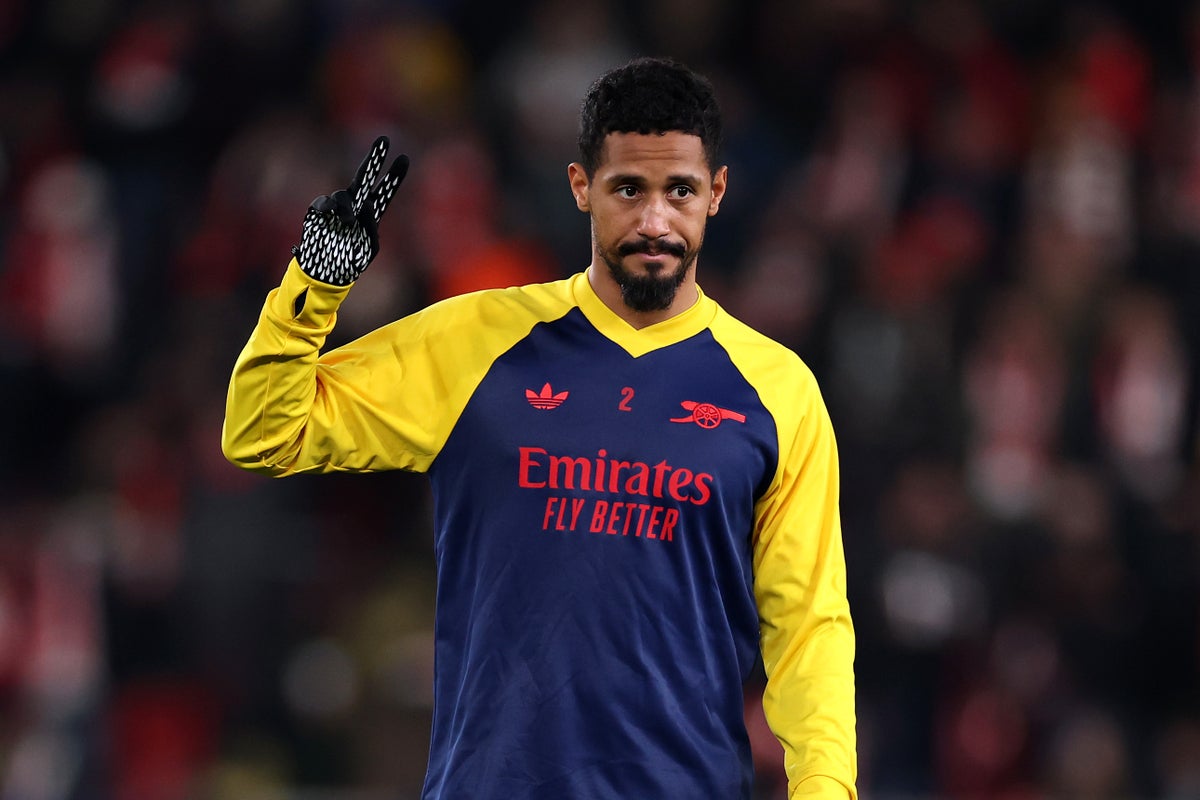
Saliba plays 45 minutes for Arsenal U21s as first-team return edges closer
-
 Football ·
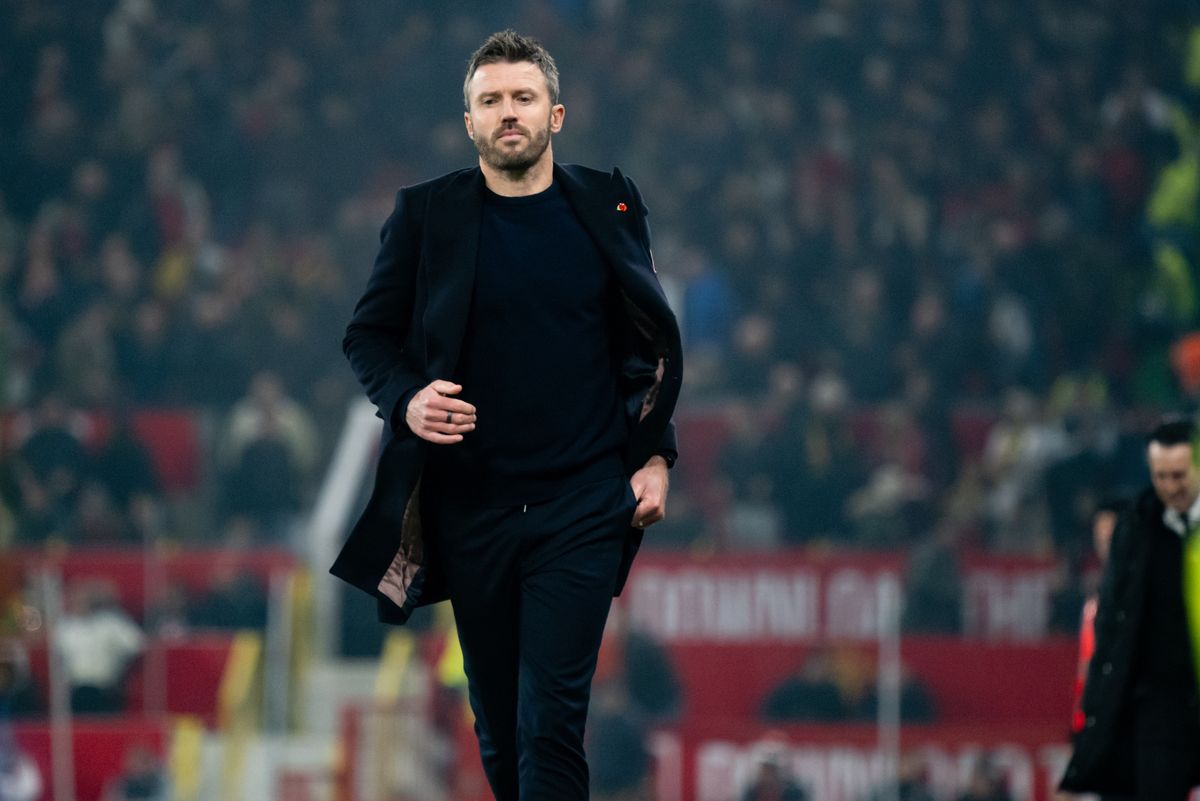
Carrick's 'extremes' admission deepens Manchester United's managerial dilemma during international break
 Qatar U23
