PSG's groundskeeper Jonathan Calderwood threatened with dismissal over Parc des Princes pitch crisis
Jonathan Calderwood, PSG's head groundskeeper since 2013, has been summoned for a pre-dismissal hearing following the unplayable pitch at Parc des Princes that forced the relocation of the match against Rennes on August 23, which cost the club a €150,000 fine.
1 min read
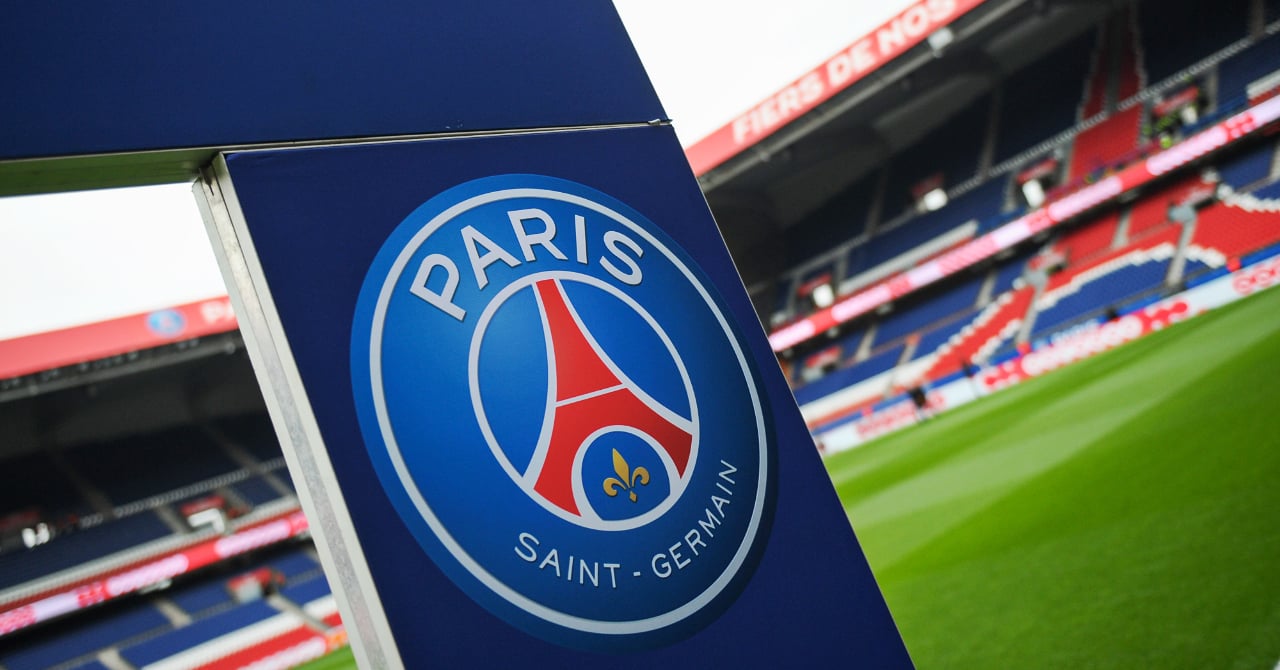
Jonathan Calderwood, head groundskeeper at Paris Saint-Germain since 2013, is facing dismissal after the pitch incident that rendered Parc des Princes unplayable on the opening day of Ligue 1 on August 23. According to L’Équipe, the Northern Irish groundskeeper has been summoned for a pre-dismissal hearing that could result in contract termination.
That evening, the match against Stade Rennais had to be relocated to Roazhon Park, officially due to the heatwave. The match ended in a 2-2 draw, and the Professional Football League imposed a €150,000 fine on PSG. The Parisian club retained the organization of the return match, a decision that Stade Rennais contested before the CNOSF. Should this rematch ultimately be held in Brittany, the financial consequences for Paris would be significant.
Calderwood, named Premier League ground manager of the year in 2009 and 2012 while at Aston Villa, joined PSG thirteen years ago and had built a solid reputation there. But the August 23 incident is not his only weak point in the eyes of management: last season, Parc des Princes finished only fourth in the Ligue 1 pitch rankings, behind Nice, Metz and Nantes.
The combination of the fine, the financial risk linked to the return match, and this disappointing ranking appears to have convinced PSG’s leadership to consider a change in this discreet but strategic position.
Read also
-
 Football ·
Nigel Reo-Coker predicts Rayan Cherki will win the Ballon d'Or in coming years
-
 Football ·
Atletico Madrid honour Koke's mother with black armbands and silence before Man Utd clash
-
 Football ·
Manchester United hit back at Nicky Butt over leaked Carrick management doubts chat
-
 Football ·
Trémoulinas wants to play again at 40 with Bordeaux, relegated to Régional 1
-
 Football ·
Olympiakos supporters banned from Vélodrome for Europa League clash against OM
-
 Football ·
Kai Rooney makes UEFA Youth League debut as Man United's Under-18s fall 3-0 to Atletico Madrid

 Haiti W