Morocco and France headline 2026 World Cup quarterfinals as bracket takes shape
Morocco and France became the first two teams to reach the 2026 World Cup quarterfinals, setting up a rematch of their 2022 semifinal. The two sides meet on July 9 in Boston, with six other quarterfinal spots still to be decided.
1 min read
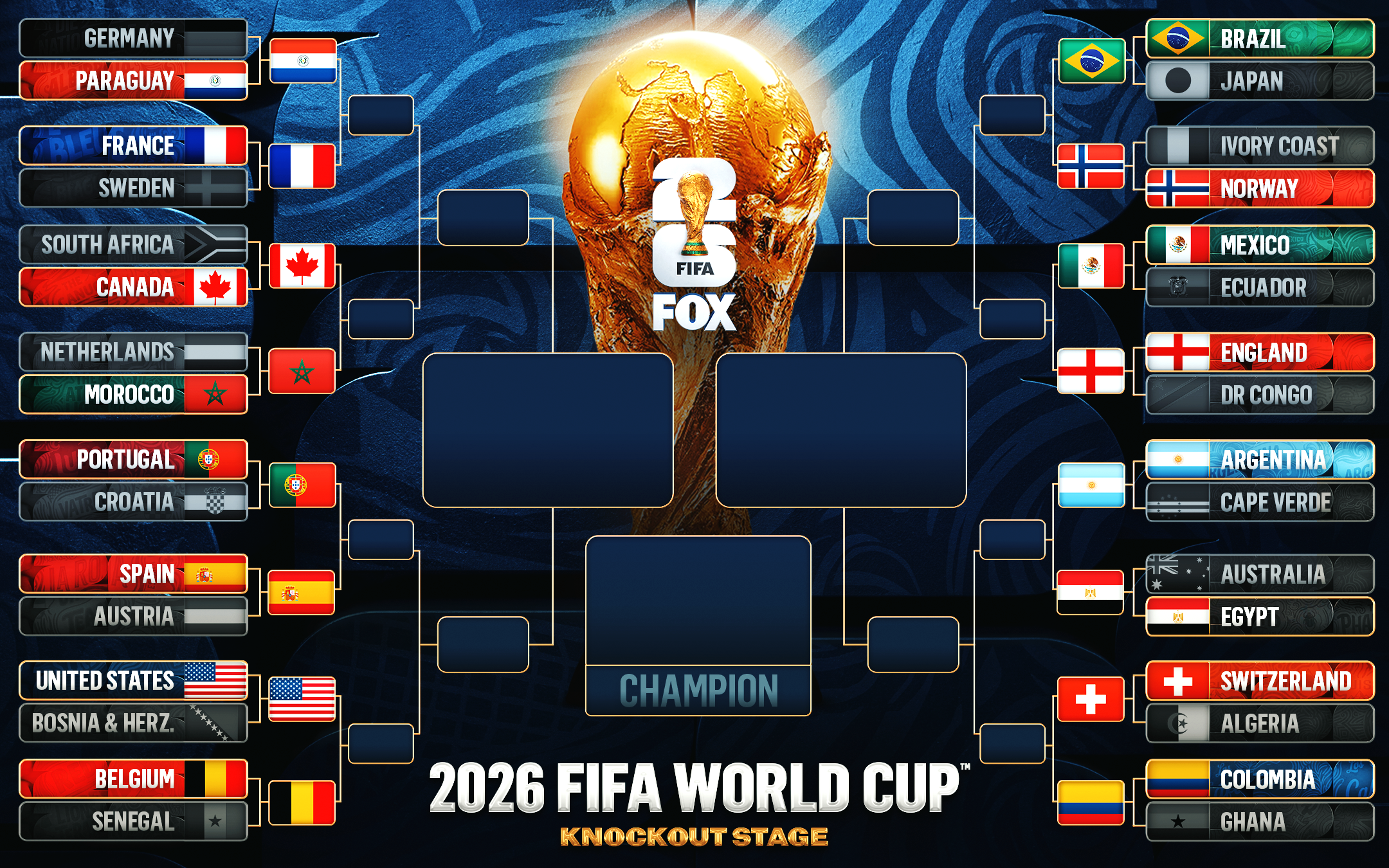
Morocco and France are the first teams confirmed for the 2026 FIFA World Cup quarterfinals, with the pair drawn to meet again on Thursday, July 9 at Boston Stadium — a rematch of their 2022 semifinal, which France won 2-0.
Morocco secured their place with a commanding 3-0 victory over co-hosts Canada at Houston Stadium on Saturday, becoming the first African nation to reach back-to-back World Cup quarterfinals. Canada’s elimination also makes them the first of the three tournament co-hosts — the United States, Canada, and Mexico — to exit the competition.
France advanced courtesy of a 1-0 win over Paraguay at Philadelphia Stadium, with Golden Boot contender Kylian Mbappé leading the charge. France enter the quarterfinal ranked third in FIFA’s latest world rankings, behind Argentina and Spain, while Morocco sit seventh.
The remaining six quarterfinal berths are still to be decided across the round of 16. On Friday, July 10, the winners of Portugal vs. Spain and USA vs. Belgium will meet at Los Angeles Stadium at 3 p.m. ET.
Saturday, July 11 brings a double-header of quarterfinals. The winners of Brazil vs. Norway and Mexico vs. England will face off at Miami Stadium at 5 p.m. ET, while the winners of Argentina vs. Egypt and Switzerland vs. Colombia will clash at Kansas City Stadium at 9 p.m. ET.
Read also
-
 Football ·
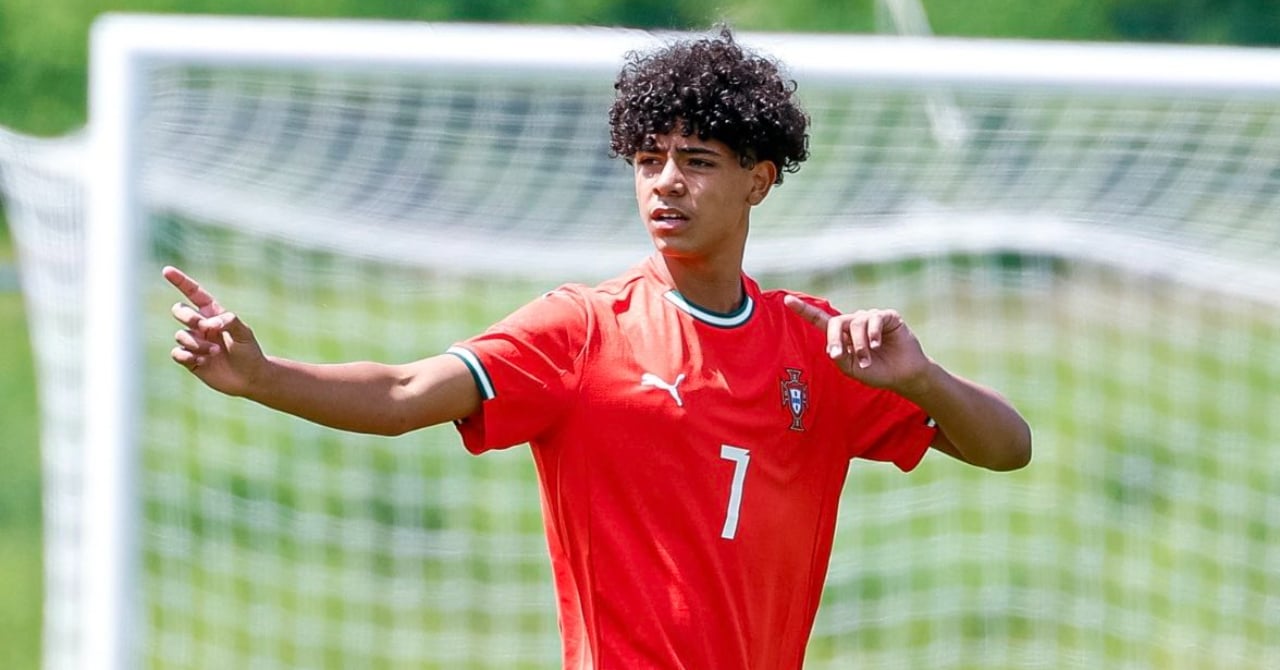
Ronaldo Slams Door on Portugal: Son's Non-Selection Ignites Crisis
-
 Football ·
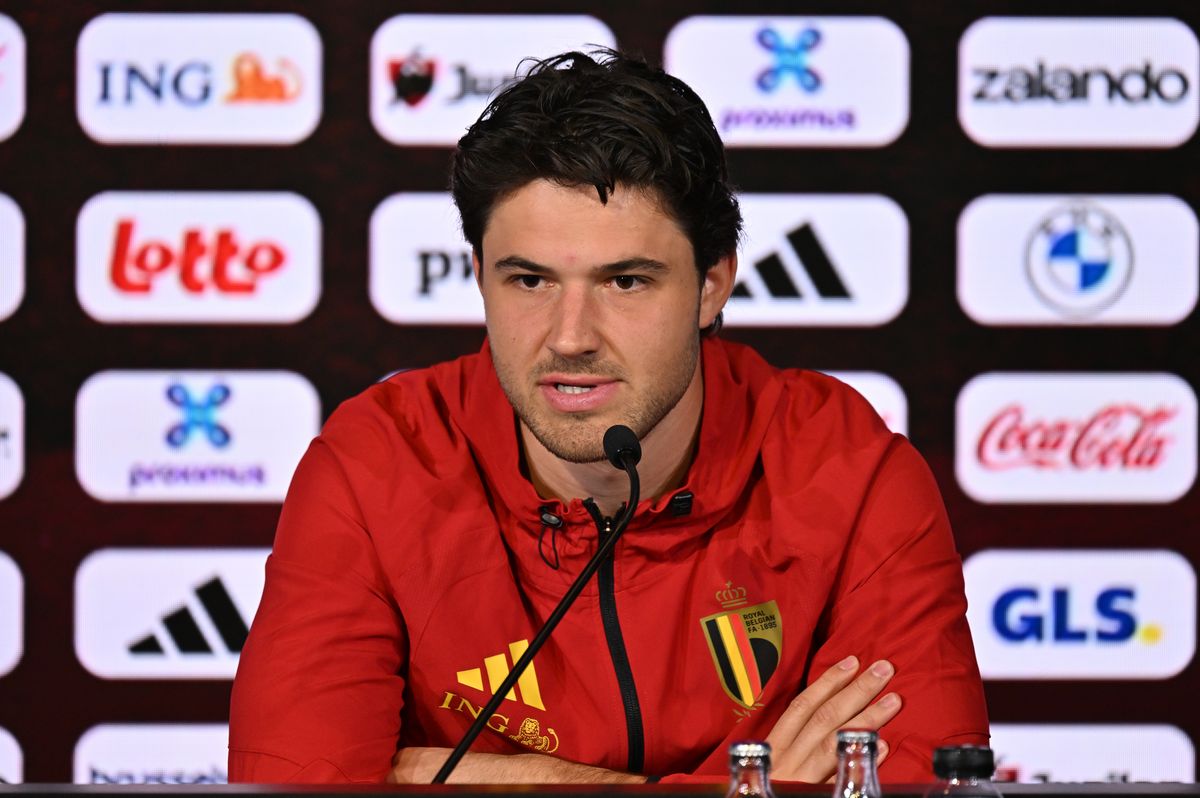
Lammens fires back at Keane and Scholes: 'You have to be mentally strong'
-
 Football ·
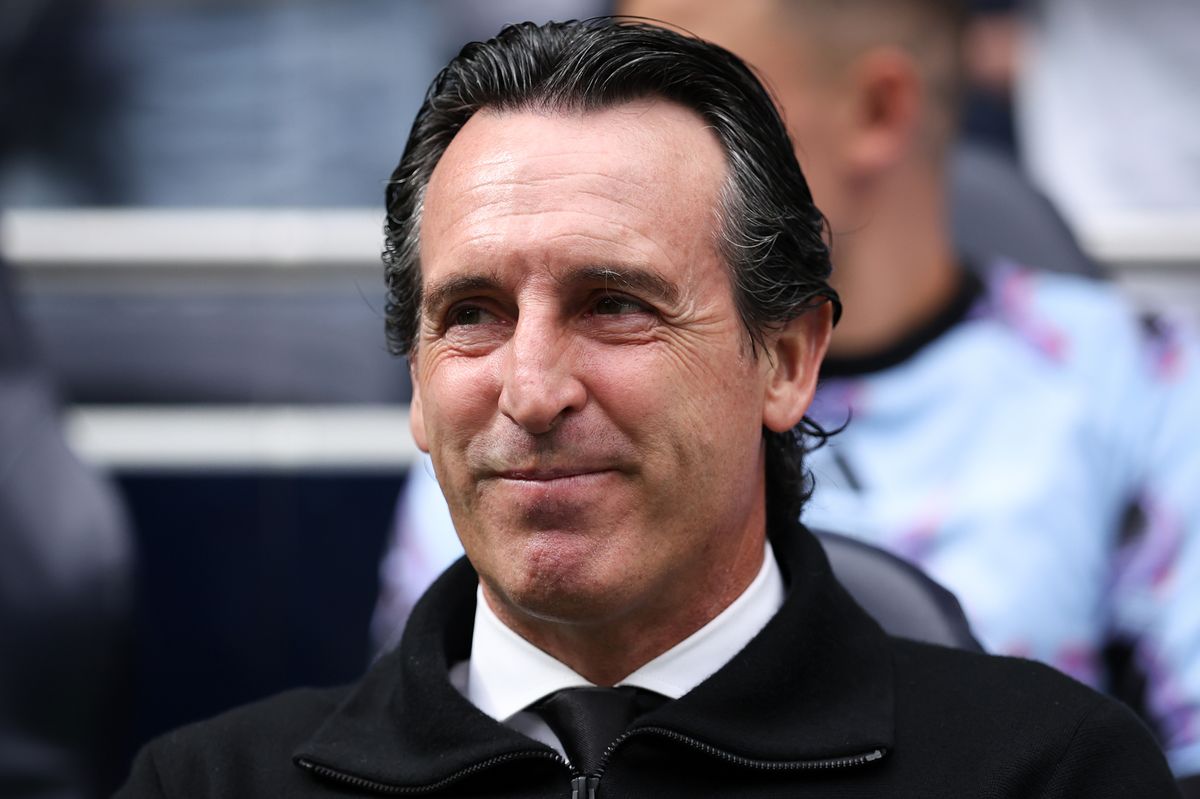
Emery warns 'many other clubs' inflated budgets as Man City appeal guilty verdict
-
 Football ·
Manchester City appeal Premier League guilty verdict, citing 'irrefutable evidence' over £830m funding scheme
-
 Football ·
Supporters' Poll: Cherki Left Out of Ideal XI Against Italy in Nations League
-
 Football ·
Saliba on the brink of return as Arsenal pencil in Everton clash for comeback
 England U19