Mike Perry re-signs with UFC after four years away and 7-0 BKFC run
Mike Perry has officially re-signed with the UFC, ending a four-year absence from the promotion. 'Platinum' last fought in the octagon in April 2021, losing to Daniel Rodriguez, before going 7-0 in BKFC and stopping Nate Diaz in a return to MMA this year.
1 min read
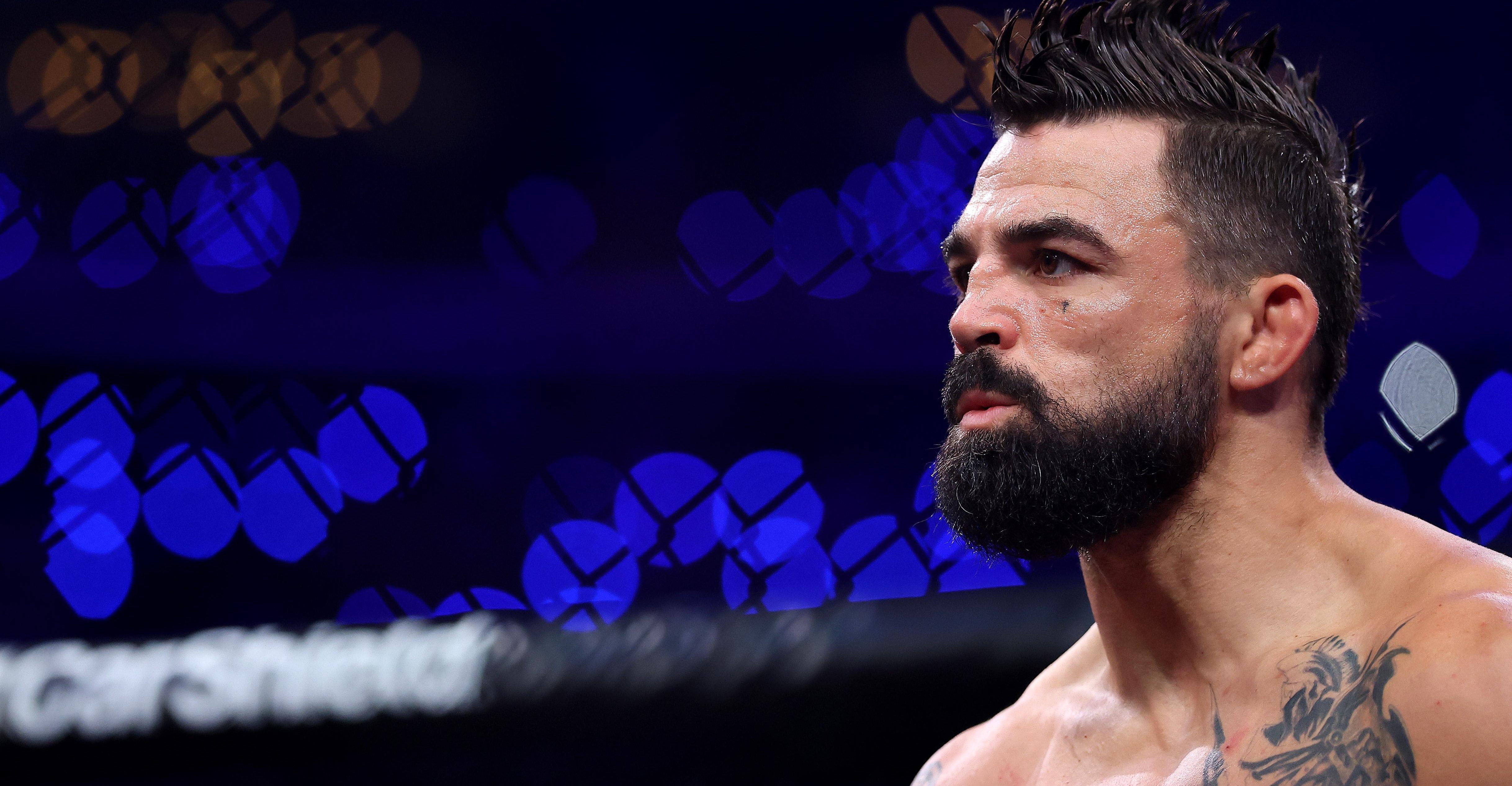
Mike Perry is heading back to the UFC, officially re-signing with the promotion on Friday after more than four years away from the octagon.
Perry, 35, last competed in the UFC in April 2021, when he dropped a unanimous decision to Daniel Rodriguez at UFC Vegas 23. In the time since, he transformed himself into the defining star of bare-knuckle boxing, going 7-0 in BKFC and claiming the promotion’s “King of Violence” title. Along the way he defeated a string of UFC veterans, including Luke Rockhold, Michael Page, Eddie Alvarez, and Jeremy Stephens.
Perry made his return to MMA this year with two outings. In May, he headlined the Rousey vs. Carano card and stopped Nate Diaz via second-round corner stoppage TKO — arguably the most high-profile win of his career. His second appearance proved far less straightforward: drafted in on two days’ notice to face Brandon Jenkins at Duel Arena 1 in August after Dillon Danis withdrew, Perry was stopped in the first round following a serious shoulder injury.
Despite that setback, the UFC has moved to bring him back into the fold. In his original stint with the promotion, Perry posted a 7-8 record and earned four post-fight performance bonuses, building a reputation as one of the most entertaining and unpredictable fighters on the roster.
No opponent or date has been announced for Perry’s octagon return.
Read also
-
 MMA ·
Nemkov backs 50-year-old Fedor to beat Ngannou if boxing match is made
-
 MMA ·
McMillen breaks silence after reported overdose hospitalisation, calls for short-notice fight
-
 MMA ·
Eight jailed after hotel brawl involving Nurmagomedov and Dvalishvili on Yas Island
-
MMA ·
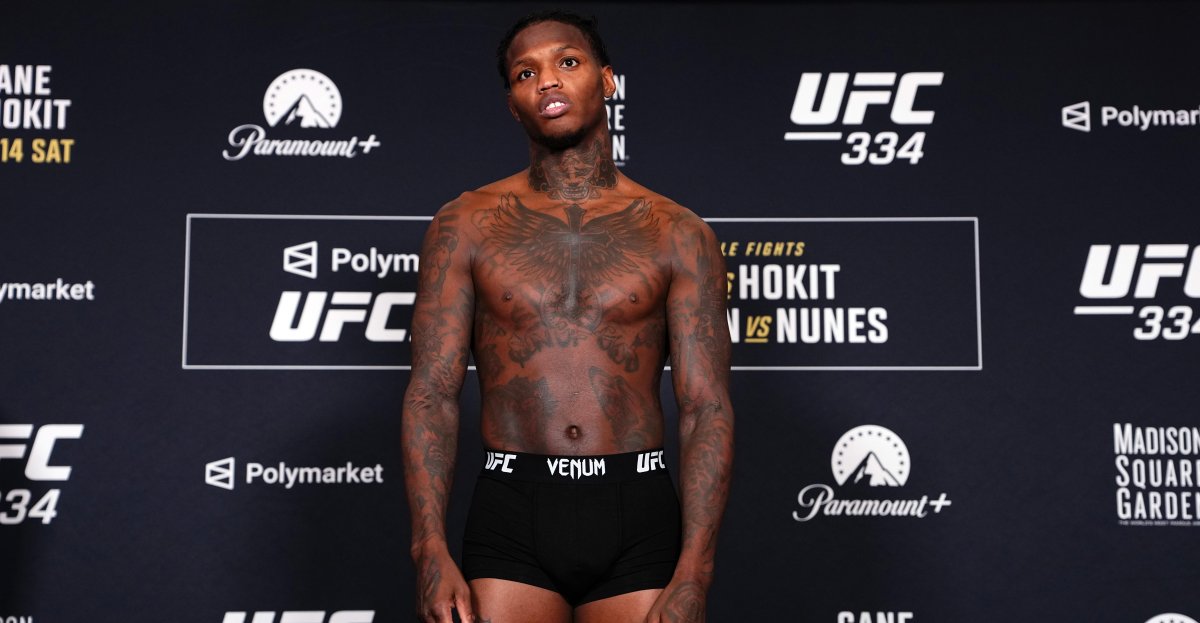
UFC 334 weigh-ins: Gane-Hokit and Harrison-Nunes title fights set as McKinney misses by four pounds
-
 MMA ·
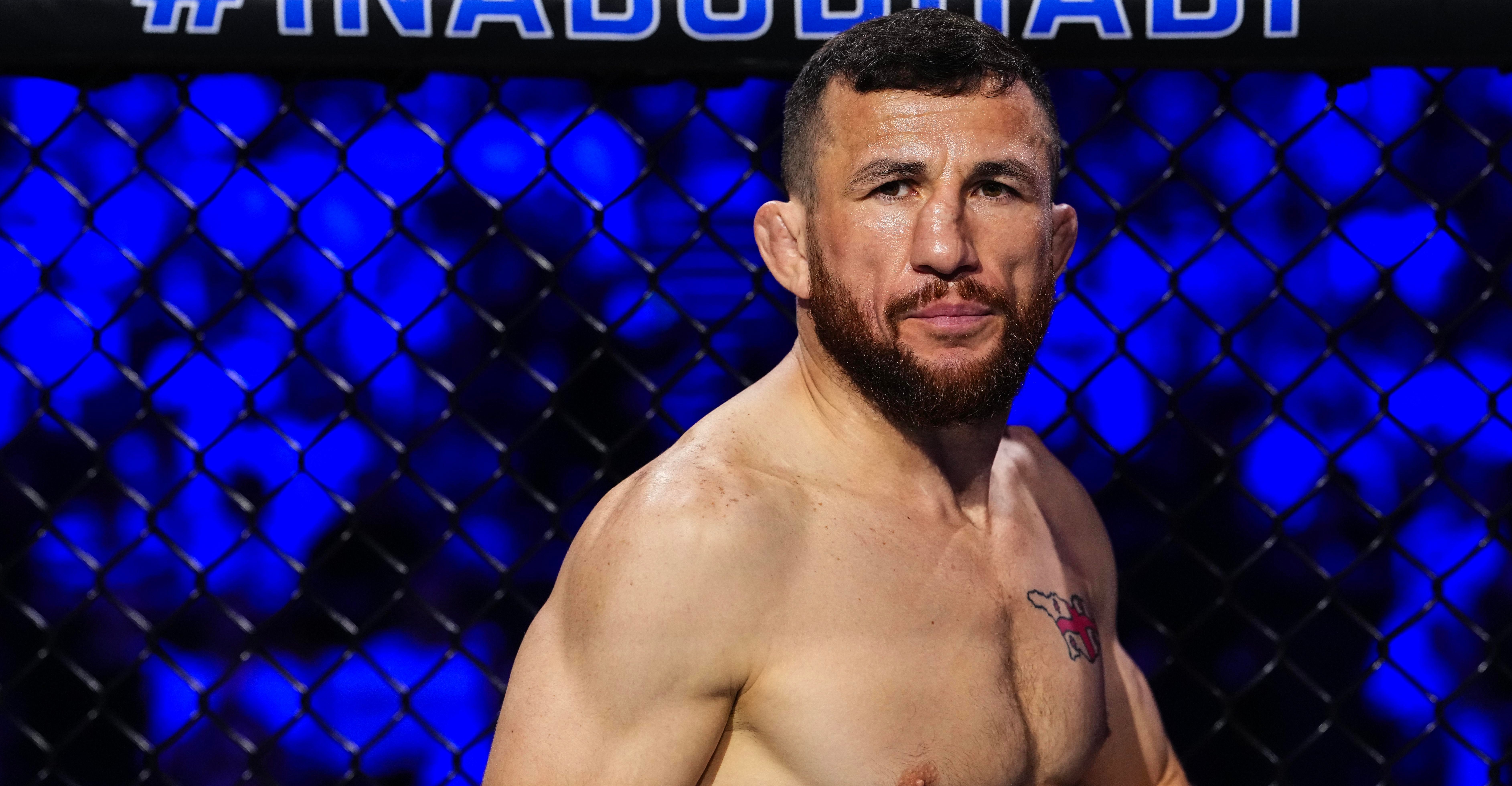
Dvalishvili competes at RAF Abu Dhabi days after Nurmagomedov attack left him bloodied and detained
-
 MMA ·
McKinney misses weight by four pounds as UFC 334 title bouts clear weigh-ins

 Brazil U20
