Mercedes urges F1 simplification after software chaos delays Malaysian GP by 90 minutes
Multiple cars crawled and stalled on the formation lap at Sepang, forcing a 90-minute delay while the FIA issued a software fix. Mercedes deputy team principal Bradley Lord says the incident underscores why Formula 1 must pursue simpler regulations.
2 min read
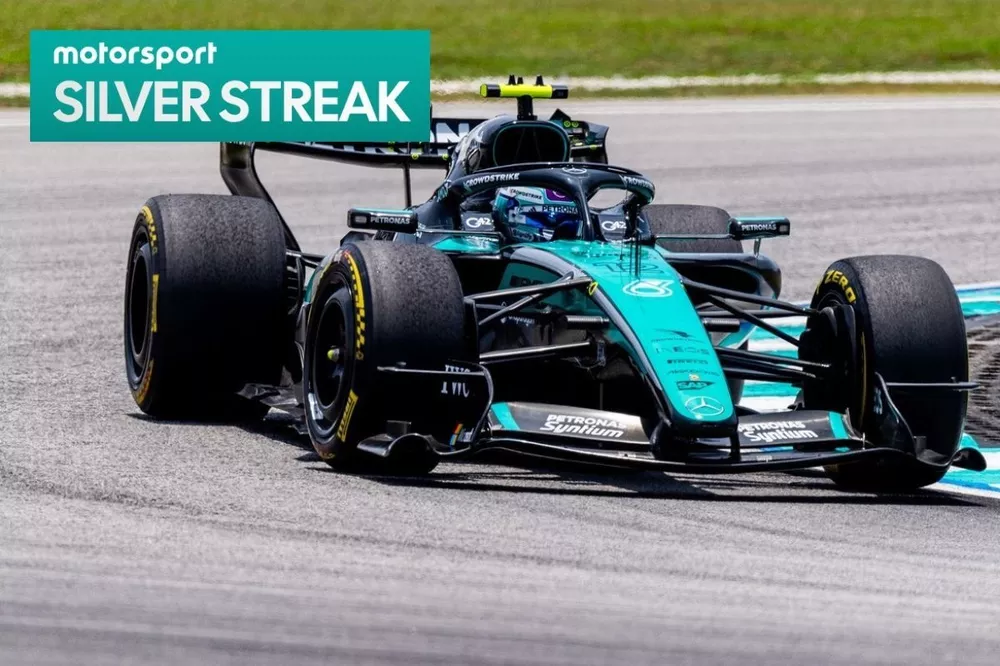
A software failure left several cars crawling and stalling on the formation lap at the Malaysian Grand Prix in Sepang, pushing the race back by more than 90 minutes as the FIA scrambled to deploy a remote fix. The delay, compounded by earlier rain, drew widespread frustration from fans watching an empty circuit, and has reignited debate over the complexity of F1’s 2026 technical regulations.
Mercedes deputy team principal Bradley Lord pointed to the incident as clear evidence that the sport needs to change course. “We know that these cars are fiendishly complex, that the regulations that govern the cars are fiendishly complex, and that we can — even now at race 15, 16 — still be caught out by certain elements of them,” he said. “So I think the broad direction for the future is one of greater simplification rather than greater complexity.”
The 2026 power unit regulations have attracted sustained criticism from drivers and fans alike, particularly over how energy is managed between the internal combustion engine and the MGU-K. The formation-lap chaos at Sepang, however, brought those frustrations to a head in unusually visible fashion.
Lord was careful to frame the disruption in perspective. “What happened today I think was a footnote in what was otherwise a really exciting afternoon of racing,” he said. “But I think it underscores the idea that simplicity versus complexity is a valid direction for the sport to be heading in.”
Mercedes currently leads the constructors’ standings and has been among the strongest teams since the 2026 regulations came into force, with the W17 widely regarded as the dominant package of the season so far. An upgrade brought to Sepang did not deliver the performance gains the team had targeted, but Lord’s broader point about regulatory direction carries weight precisely because Mercedes is thriving under the current rules.
Formula 1 is already planning a further regulatory shift for 2030, when a V8 engine layout with a reduced level of electrification is set to replace the current hybrid architecture — a move that aligns broadly with the simplification Lord is advocating.
Read also
-
 Formula 1 ·
Battery failure costs Hadjar a Bahrain GP podium as Hamilton's Ferrari sweeps past
-
 Formula 1 ·
Russell slams 'not very F1' Bahrain GP after power unit failure ends podium bid
-
 Formula 1 ·
Stella urges FIA to prevent Sepang software chaos from recurring after Bahrain GP delay
-
 Formula 1 ·
Bottas cycles 350km from Sepang to Singapore after retiring from Malaysian GP
-
 Formula 1 ·
Russell's Malaysia power unit failure threatens to cost him engine upgrade in Singapore
-
 Formula 1 ·
Horner hails Red Bull-Ford's first F1 win as Verstappen claims 72nd career victory in Malaysia

 Ukraine U21