Margotton defends Da Cunha pronunciation after France-Italy
TF1 commentator Grégoire Margotton sparked controversy by pronouncing midfielder Lucas Da Cunha's name as "Da Couna" rather than "Da Cougna" during France-Italy. He responded to criticism by sharing a video where the player himself pronounces his name.
1 min read
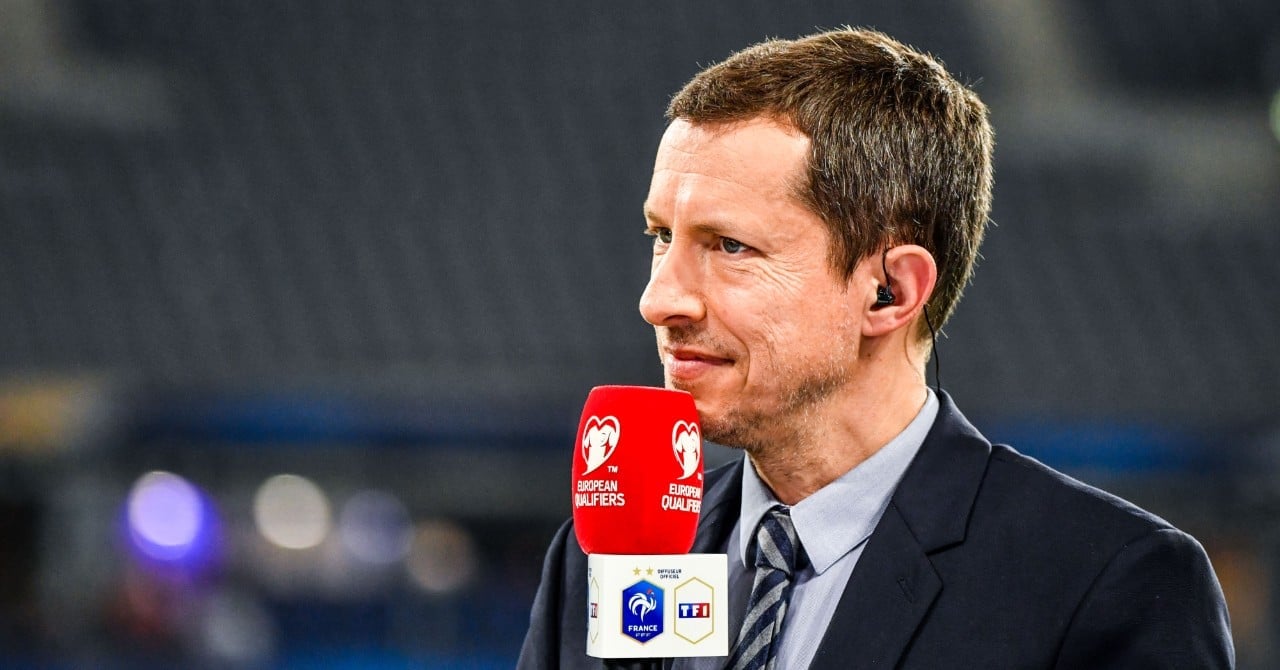
Grégoire Margotton found himself at the centre of a pronunciation controversy on Friday evening, following the France-Italy match, due to the way he articulated the name of midfielder Lucas Da Cunha.
Rather than adopting the Portuguese pronunciation — “Da Cougna” — the commentator opted for “Da Couna”, with a silent “h”. The choice immediately prompted reactions from many viewers on social media, who felt that the Portuguese version was the correct one for this surname.
Faced with criticism, Margotton chose to respond publicly by sharing an interview video in which Da Cunha introduces himself. “For all those who legitimately want us to pronounce Da Cougna. Listen at 20s”, he wrote, adding with self-deprecation: “And really sorry for the earaches.”
The episode comes at a particular time for the France team: September marks the beginning of Zinédine Zidane’s tenure as head coach of Les Bleus, bringing with it several new faces — Andy Diouf, Jérémy Jacquet, Estéban Lepaul and Da Cunha, a native of Roanne. So many unfamiliar names to integrate for a commentator who has been covering Les Bleus matches since 2016.
The question of how to pronounce the names of players of foreign origin is a recurring issue in sports commentary, where fidelity to etymology and respect for the player in question are often weighed against the phonetic habits of the local audience.
Read also
-
 Football ·
Zidane repeats « very good » four times to praise Jacquet after France-Italy
-
 Football ·
Safonov reveals how he experienced Champions League final with PSG
-
 Football ·
Wilshere reveals Dowman outshone him at 13 as Arsenal weigh loan exit for teen
-
 Football ·
Garnacho scores twice in friendlies to answer Emery's 'work harder' challenge at Aston Villa
-
 Football ·
Drinkwater recalls Ferguson shutting him down over 'unfair' contract at Manchester United
-
 Football ·
Fred brands Ten Hag 'a piece of c***' and accuses him of favouring Dutch clique at United

 Tunisia