Manchester United win Yoro red card appeal after wrongful dismissal against Liverpool
Leny Yoro's one-match ban has been overturned after the FA upheld Manchester United's wrongful dismissal appeal. The defender was sent off inside eight minutes of Sunday's Premier League defeat at Anfield.
1 min read
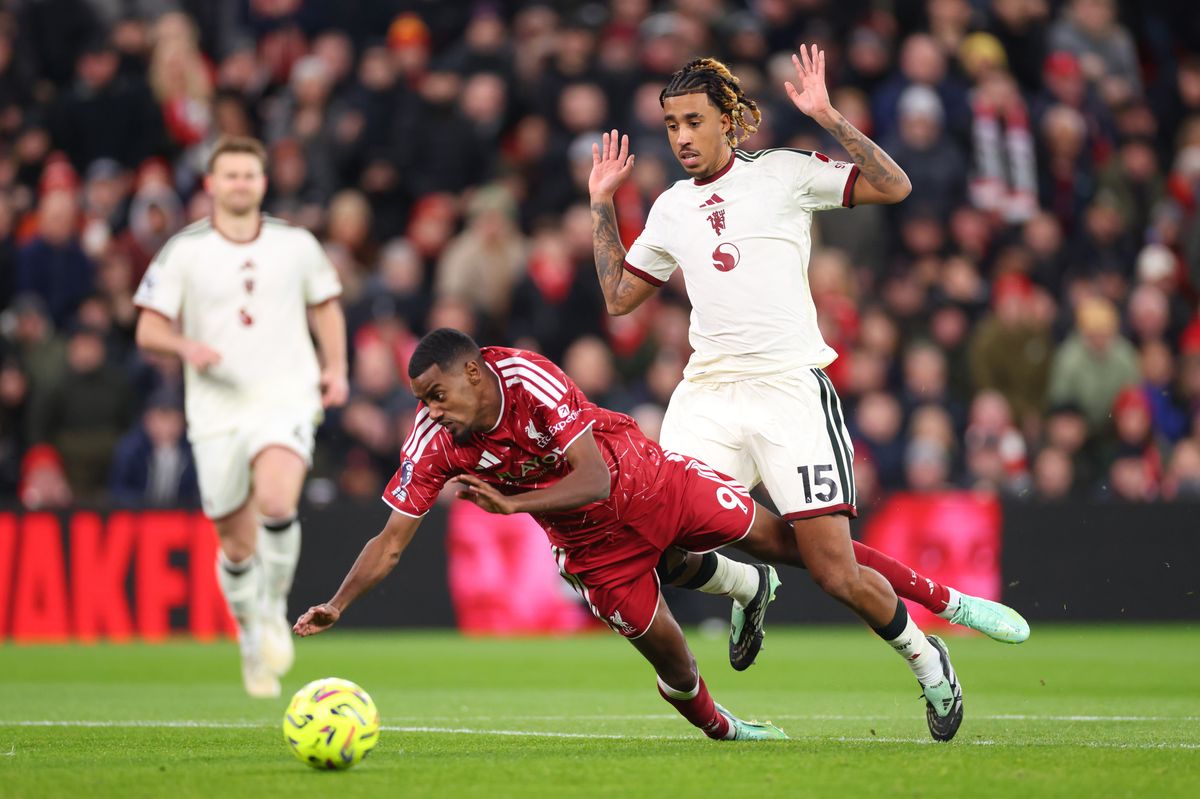
Manchester United have successfully appealed Leny Yoro’s red card from their Premier League defeat at Liverpool on Sunday 22 November, with the FA confirming the defender’s one-match suspension has been removed following a finding of wrongful dismissal.
Yoro was shown a straight red card in the eighth minute at Anfield for denying Alexander Isak a clear goalscoring opportunity, but replays suggested Isak had made a heavy touch and was unlikely to have reached the ball. United challenged the decision with the Football Association, and an independent Regulatory Commission ruled in their favour.
The FA issued a brief statement confirming the outcome: “Leny Yoro’s one-match suspension has been removed following a successful claim of wrongful dismissal. The Manchester United player was sent off for denying an obvious goalscoring opportunity during their Premier League match against Liverpool on Sunday 22 November. The independent Regulatory Commission’s written reasons for its decision will be published in due course.”
The sending off had cast a shadow over Mauricio Pochettino’s first game in charge of United, with the new manager’s tenure beginning in the most difficult circumstances possible at one of English football’s most hostile away grounds.
With the suspension lifted, Yoro is now available for United’s next Premier League fixture against Brentford at Old Trafford this weekend.
Read also
-
 Football ·
Glazers regret Arnold exit and felt blindsided by £5.3bn Liverpool deal, report claims
-
 Football ·
Belhanda accepts CAS verdict on Africa Cup of Nations 2025 but blames CAF and referee
-
 Football ·
Neville warns Man Utd will 'have to overpay' as January defensive hunt begins
-
 Football ·
Hanouna as Guingamp shareholder: Pierre Bouby fires back at the project
-
 Football ·
Morocco filed last-ditch CAS challenge over arbitrator before Senegal's Afcon title was restored
-
 Football ·
US to host Copa America 2028 as Argentina chase three-peat without Messi
 Uganda U17
