Italian media put Domenech in his place after his criticism of France
After France's 3-1 defeat to Italy in the Nations League, Raymond Domenech criticized the Azzurri at half-time on X. Gazzetta dello Sport, Sky Sport Italia and Corriere dello Sport responded by evoking the 2006 World Cup final.
1 min read
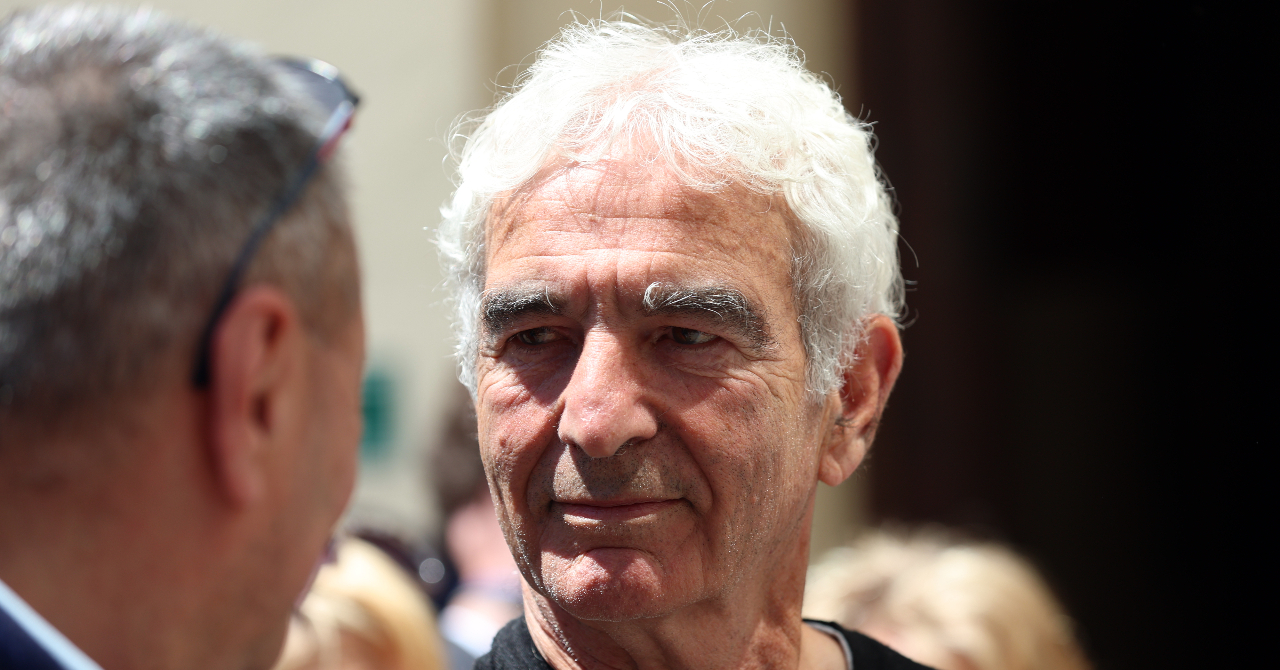
The Italian press did not let Raymond Domenech’s criticism slide. After France’s 3-1 defeat to Italy during the fifth matchday of the Nations League on Thursday in Milan, the former French national team manager had posted a scathing message on X at half-time, when the score was 1-1.
“Italy-France, 1-1. It’s unexpected for the Italians. What weakness in all sectors but the most surprising is their technical level, so many errors in easy passes it’s alarming,” he had written. Zinédine Zidane’s France had started the match well, putting the Squadra Azzurra in difficulty before losing in the second half.
The Italian response was swift. Gazzetta dello Sport immediately drew a parallel with the 2006 World Cup final, won by Italy against France on penalties in Berlin. “Raymond Domenech has not turned the page in twenty years,” the sports daily stated, recalling Fabio Grosso’s decisive penalty that deprived the French of the world title.
Sky Sport Italia agrees, arguing that “Raymond Domenech’s world stopped on July 9, 2006 and that Fabio Grosso penalty.” Corriere dello Sport goes further, claiming that the former coach takes advantage of every Franco-Italian confrontation to “sting the Azzurri again.” “Some wounds never heal, even twenty years later,” the newspaper writes, recalling that Domenech was indeed on the French bench that evening in Berlin when Marcello Lippi’s Italy lifted the trophy.
Read also
-
 Football ·
Ould Hocine snatches victory for Paris FC against Koge in extra time
-
 Football ·
Drone operator films Pochettino's first Manchester United training session from unrestricted airspace
-
 Football ·
Torres reveals how Alonso and Mascherano exits forced his £50m Chelsea move
-
 Football ·
Monaco extends Paris Brunner's contract by two years following breakthrough start to season
-
 Football ·
England fined and handed suspended ticket ban after anti-Catholic chanting in Madrid
-
 Football ·
Man City and Forest outvoted 18-2 as Premier League shields board from Etihad lawsuit threat
 Belgium U17
