How Schumacher's retirement announcement at Monza 20 years ago reshaped Formula 1
On 10 September 2006, moments after winning the Italian Grand Prix, Michael Schumacher announced he would retire from Formula 1 at the end of the season — a decision that saved Felipe Massa's Ferrari seat and ended one of the sport's defining eras.
2 min read
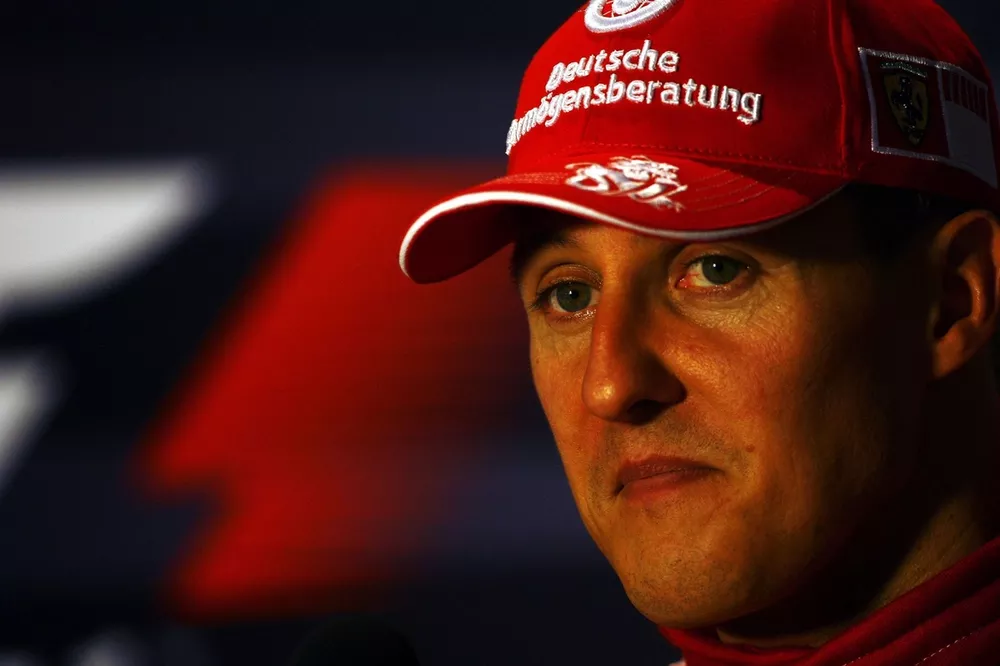
Michael Schumacher chose the grandest possible stage to end his first Formula 1 career: the post-race press conference at Monza on 10 September 2006, minutes after delivering the tifosi an 11th home victory and leading Fernando Alonso by a handful of points in the championship.
The Italian Grand Prix itself had been a masterclass in strategy. Schumacher had missed pole by just 0.002 seconds — Kimi Raikkonen’s McLaren edging ahead — but the Ferrari carried more fuel. He pitted two laps later, emerged in the lead and was never threatened, crossing the line eight seconds clear of the Finn. Team-mate Felipe Massa finished a distant ninth.
With the cameras still trained on him, Schumacher addressed the room in characteristically measured terms. “There has been a lot of discussion for a lot of time, what concerns my future,” he said. “I am sorry it may have taken longer than some of you wanted, but you have to find the right moment, and we feel this is the right moment. This is going to be my last Monza race I’m going to do. At the end of this year, I have decided together with the team that I am going to retire from racing.”
The timing surprised many. At 37, Schumacher was still competing at the very highest level, locked in a two-way title fight with Alonso and chasing a record-extending eighth world championship. But the internal dynamics at Ferrari made the decision logical, if not inevitable.
Raikkonen had already agreed terms to join the Scuderia for 2007 — the deal was not yet public, but Schumacher had known for months. That left him with an uncomfortable choice: remain at Ferrari and displace the promising Massa, or step aside. He chose the latter.
“There is no point to just hang in and may take away a future of a young talented driver like Felipe,” Schumacher explained. “I did not see a reason to just hang in and take away his opportunity. I think he is a talented and great person.”
By his own account, Schumacher had made the private decision around the United States Grand Prix at the end of June, waiting until Monza — a venue synonymous with his Ferrari legacy — to make it public. It was a fitting farewell to a chapter that had brought him five consecutive world titles between 2000 and 2004 and transformed Ferrari into the dominant force of a generation.
Schumacher would, of course, return to the sport with Mercedes between 2010 and 2012, but that first retirement announcement at Monza remains one of the most significant moments in modern Formula 1 history — a decision that shaped the careers of Raikkonen, Massa, and the competitive landscape of the sport for years to come.
Read also
-
 Formula 1 ·
Colapinto brushes off Clarkson's Argentinian grid-penalty jibe after Austin retirement
-
 Formula 1 ·
Montoya questions Russell's COTA penalty, insisting Mercedes driver gained no advantage
-
 Formula 1 ·
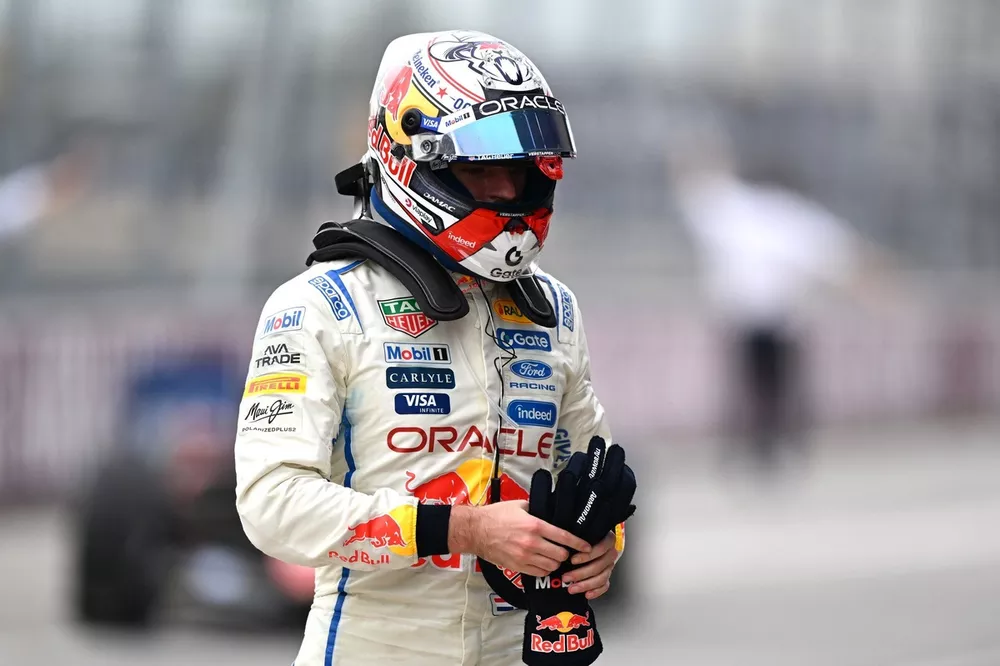
Verstappen takes sixth straight podium in Austin but slams Red Bull's starts, strategy and radio failures
-
 Formula 1 ·
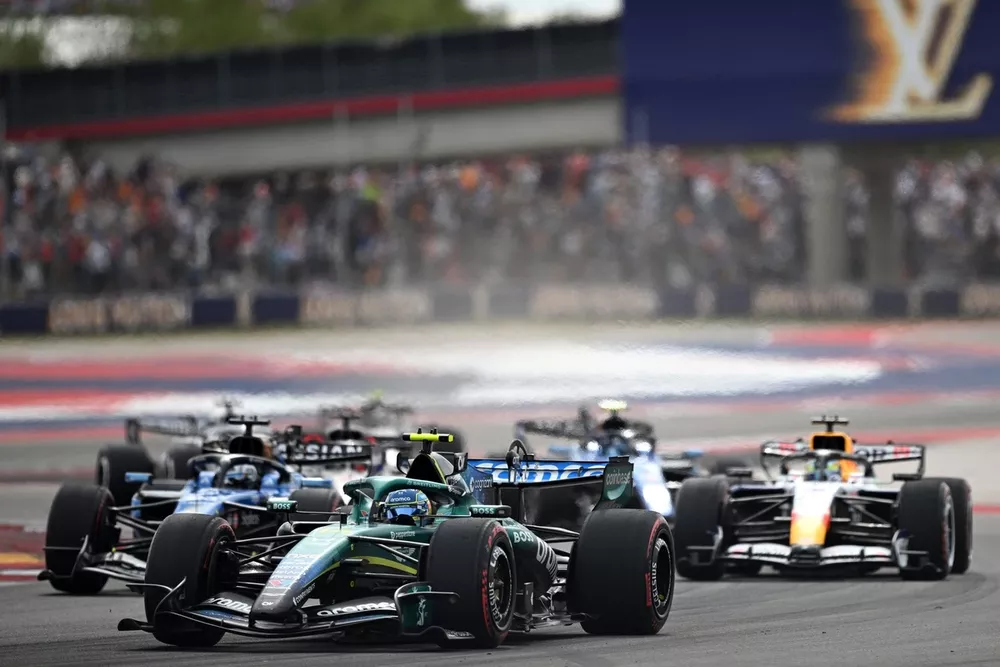
Alonso blasts 'very low quality' backmarkers after Albon clash wrecks his United States GP
-
 Formula 1 ·
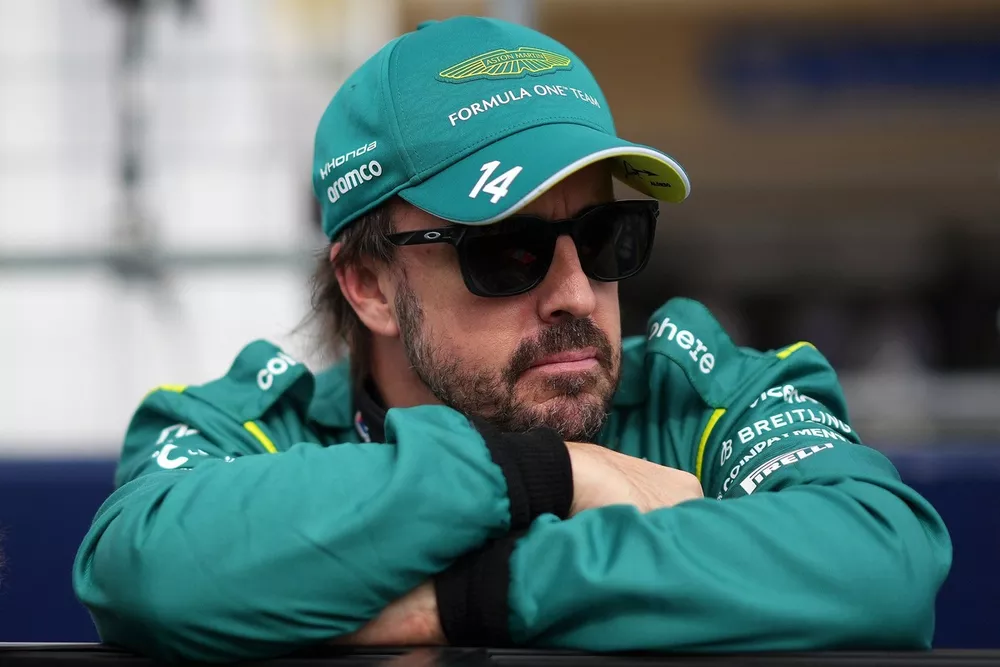
Alonso blasts bottom-third drivers after Albon contact destroys Aston Martin floor in Austin
-
 Formula 1 ·
Red Bull's race-start problem will not be fully fixed until 2027, Mekies admits