How Bordeaux Almost Signed Zidane as Manager in 2014
In spring 2014, Bordeaux approached Zinedine Zidane to become their head coach. The former France number 10 was interested, but the club's lack of financial resources caused negotiations to collapse.
1 min read
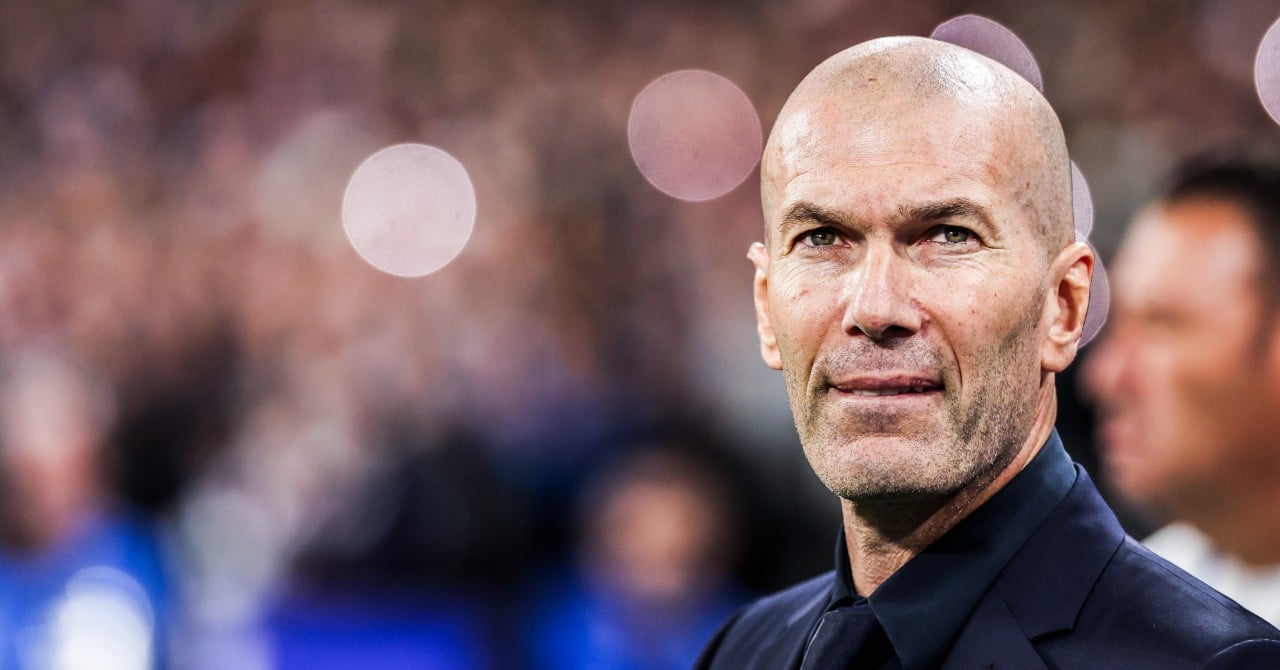
Zinedine Zidane came close to starting his managerial career on the Bordeaux bench, his boyhood club, in spring 2014. It was former Bordeaux president Jean-Louis Triaud who revealed the behind-the-scenes details of this failed negotiation in Sud Ouest.
Searching for a successor to Francis Gillot, Bordeaux’s management contacted Zidane directly, who was then assistant to Carlo Ancelotti at Real Madrid. The response from the former France number 10 was encouraging: “I offer him the position and he replies: why not,” Triaud recalls. A first meeting took place discreetly in Madrid, with Nicolas de Tavernost, M6 boss and club shareholder, in attendance. Discussions then resumed in Paris, where Zidane arrived accompanied by his trusted assistant David Bettoni, already bringing a list of potential recruits — Cabella, Germain, Hamouma, Ménez and Depay.
But the club’s economic reality ended the project. When it came to discussing the transfer market, the gap between the future manager’s ambitions and the budget constraints imposed by the shareholder proved insurmountable. Zidane’s agent also played a decisive role in his client’s withdrawal. “He explains to me that his agent is always against it. And so, it didn’t happen,” Triaud says.
Bordeaux then turned to another 1998 World Cup winner, Willy Sagnol, then France U-21 coach. Two years later, in January 2016, Zidane took over at Real Madrid to begin one of the most decorated reigns in the club’s history, with three consecutive Ligue des Champions titles.
Read also
-
 Football ·
Zidane qualified but unsatisfied after sluggish France performance against Turkey
-
 Football ·
Pochettino set to make history with first female backroom hire at Manchester United
-
 Football ·
Vieira launches Senegal rebuild, Mané no longer guaranteed starting spot
-
 Football ·
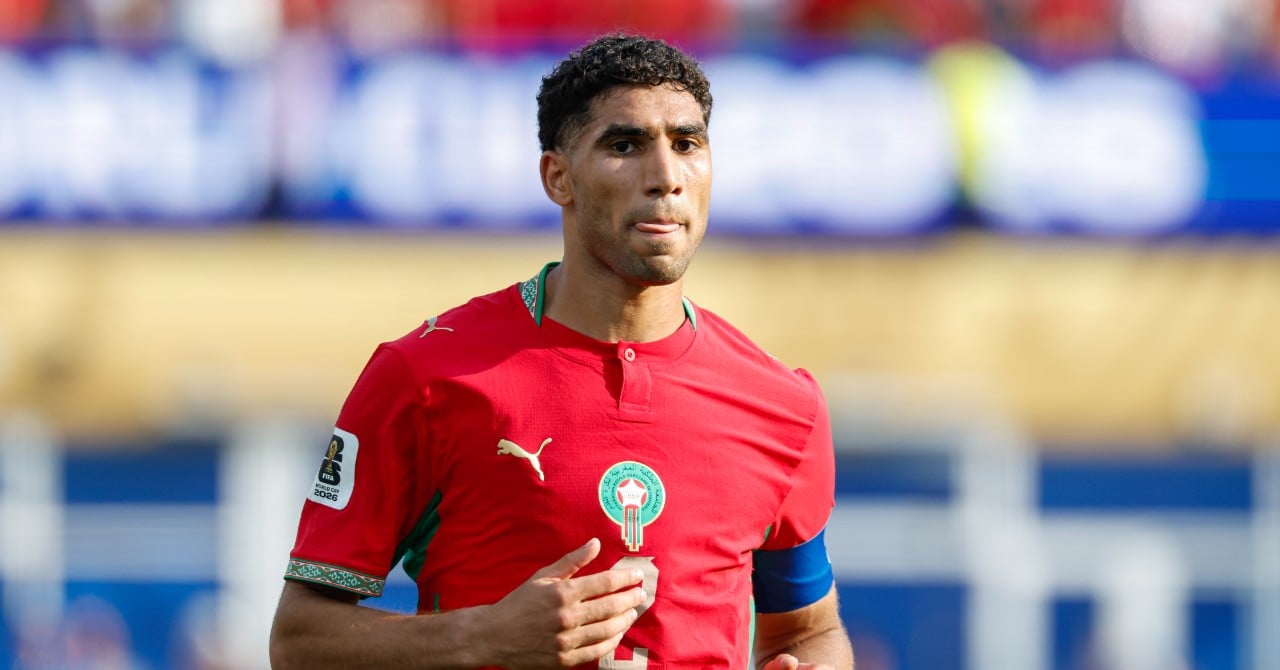
Morocco climbs to 5th in FIFA rankings after thrashing Niger 5-1, overtaking Portugal
-
 Football ·
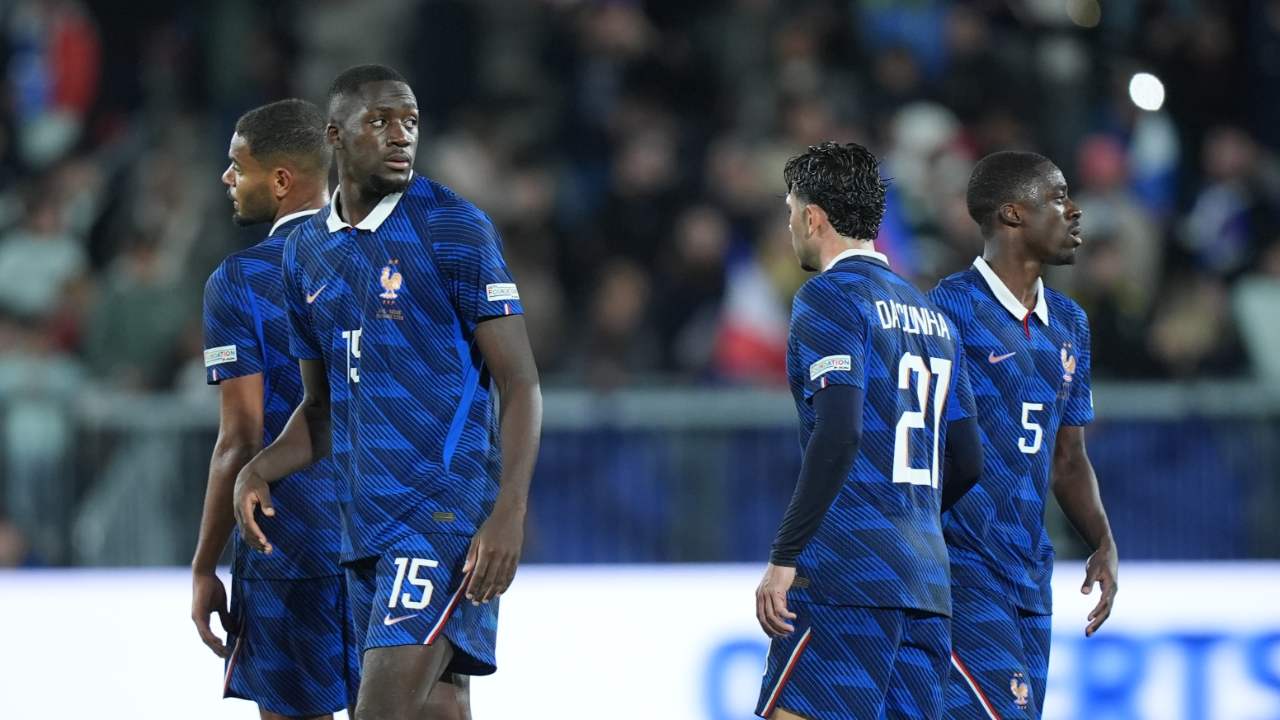
Konaté and Jacquet reveal Deschamps' halftime dressing-down against Turkey
-
 Football ·
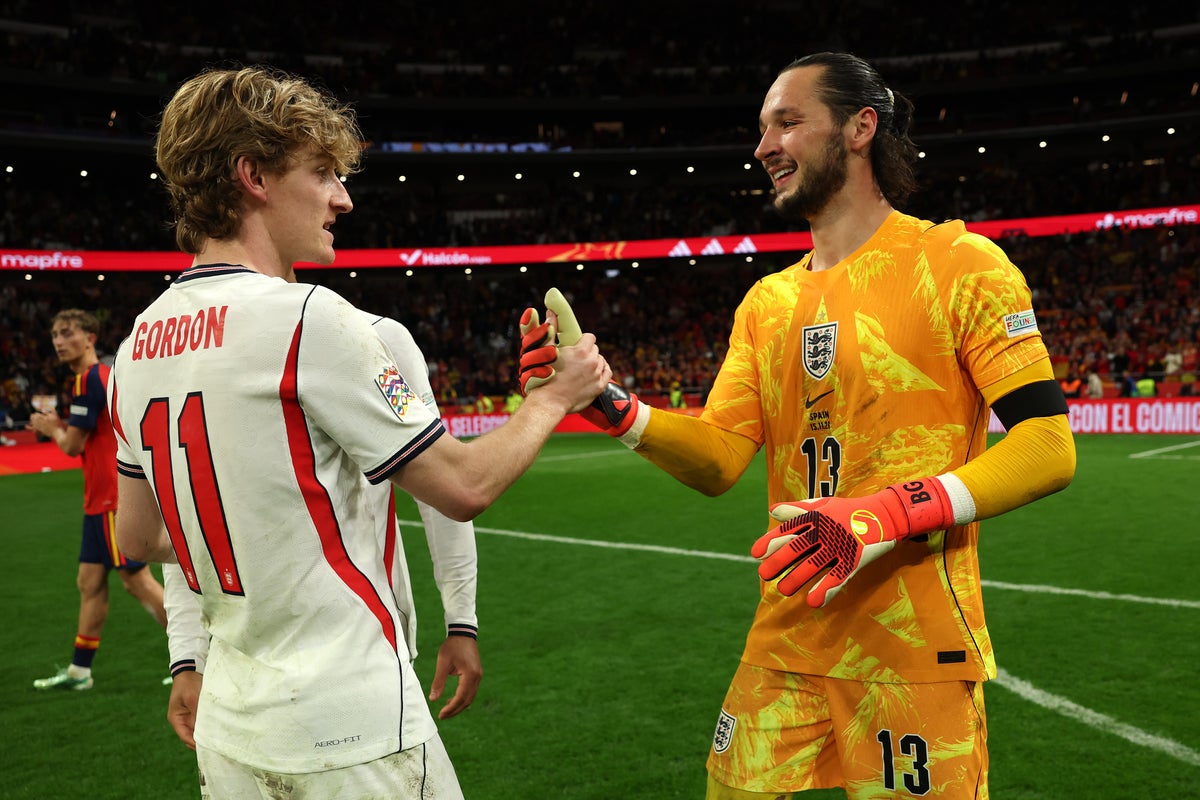
Tuchel refuses to name No 1 as Trafford's double save seals England's win over Spain
 Poland U18
