Honda targets 30bhp ICE gain as first 2026 F1 power unit upgrade arrives at Zandvoort
Honda will introduce its first power unit upgrade of the 2026 Formula 1 season at Zandvoort, with chief engineer Shintaro Orihara confirming the update focuses entirely on the internal combustion engine — the area he identifies as the team's biggest weakness against rival manufacturers.
2 min read
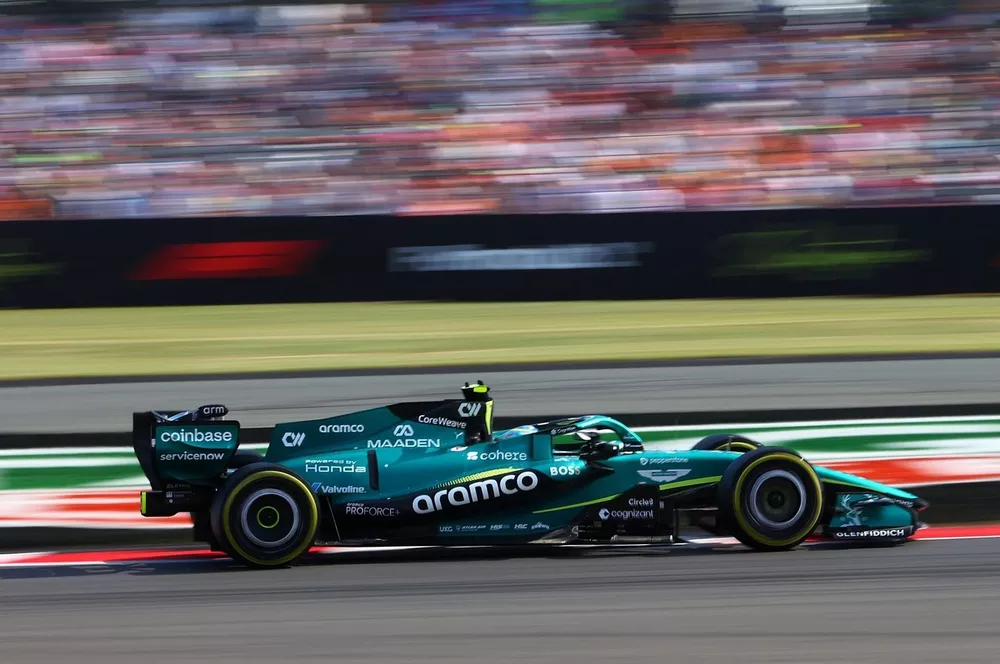
Honda will bring its first power unit upgrade of the 2026 Formula 1 season to the Dutch Grand Prix at Zandvoort, with the development effort focused exclusively on the internal combustion engine. Chief engineer and general trackside manager Shintaro Orihara has identified raw engine performance as the team’s most pressing deficit against the rest of the field.
“Our engine performance is definitely poor compared to other manufacturers,” Orihara said. “So probably the most important point to improve now is our engine performance because, as I mentioned, the gap is quite huge. Without improving our combustion engine performance, [the rest doesn’t help]. Let’s say, if we improve energy management, that doesn’t help if the engine performance is poor.”
The upgrade is classified as Honda’s first ADUO update of the season. Orihara was clear that the ICE remains the sole priority for now, with other areas of the power unit to be optimised only once the combustion engine reaches an acceptable performance level.
Some of the most optimistic internal estimates point to a gain of up to 30bhp from the new specification, though Honda acknowledges that fully closing the power deficit will require further upgrades beyond this initial step.
Orihara framed the Zandvoort target in the same terms Aston Martin used ahead of its chassis upgrade in Hungary: returning to what the team calls the “racing field” — a threshold at which small setup gains of 10 to 20 milliseconds become meaningful again rather than being swamped by a larger structural gap.
Aston Martin’s chassis situation has improved markedly since that Hungary package, designed by Adrian Newey, reduced the team’s race-pace deficit from more than five seconds per lap at Silverstone and Spa to 2.034 seconds per lap at the Hungaroring, according to data from Paceteq. The team acknowledges, however, that the Hungaroring is less power-sensitive than most circuits, meaning the underlying engine deficit remains exposed at higher-speed venues.
With the power unit now the primary focus, Honda and Aston Martin hope the Zandvoort upgrade marks the start of a recovery on the one front where chassis development alone cannot compensate.
Read also
-
 Formula 1 ·
Hamilton escapes ban but Ferrari fined €10,000 after Bortoleto impeding scare in Bahrain GP practice
-
 Formula 1 ·
Russell admits Mercedes is 'off the pace' after difficult Friday practice at Sepang
-
 Formula 1 ·
Brundle dismisses Horner-to-Ferrari rumours after speaking directly with the Briton
-
 Formula 1 ·
Verstappen skips soft tyres in Malaysia FP2 and urges caution over Red Bull's progress
-
 Formula 1 ·
Briatore draws line under Colapinto's Baku crash as Alpine chase Racing Bulls
-
 Formula 1 ·
Hadjar returns from wrist fracture with podium, contract and a joke about his couch

 Colombia