Genesio earns €400,000 per month at Marseille, more than Deschamps in his day
Revealed by L'Équipe, Bruno Genesio's salary at Olympique de Marseille — €4.8 million gross annually — exceeds what Didier Deschamps earned during his time on the Canebière (2009-2012), and complicates any potential dismissal.
1 min read
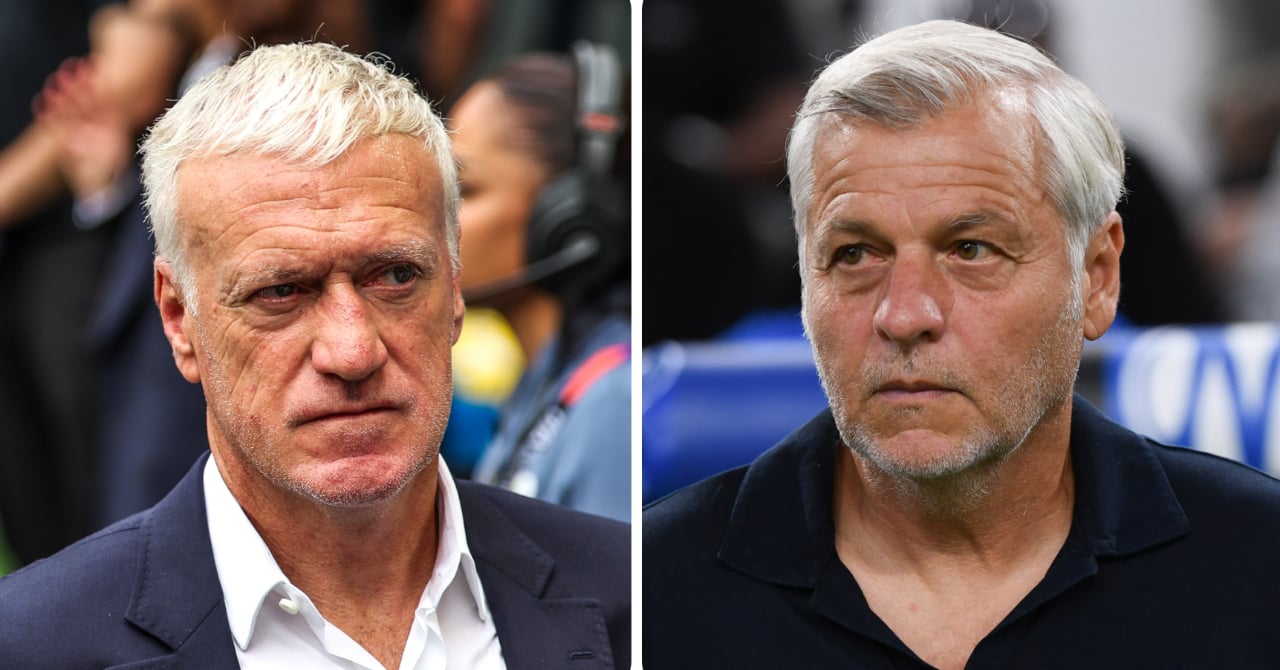
Bruno Genesio receives €400,000 gross per month at Olympique de Marseille, or €4.8 million per year, according to information revealed by L’Équipe. This remuneration, higher than what Didier Deschamps earned during his time on the Canebière between 2009 and 2012, is causing controversy among some Marseille supporters.
Deschamps earned around €240,000 gross per month at the time — €2.88 million annually — for a significantly more impressive sporting record. The contrast with Genesio’s current results, who has suffered four defeats in five Ligue 1 matches since taking over last summer, fuels criticism on social media. “Even Didier Deschamps at Marseille didn’t take this salary. It’s excessive… We need to learn from past mistakes,” writes a supporter on X.
Genesio’s salary also represents a significant increase from what he earned in his previous position: the 60-year-old coach was earning around €220,000 per month at LOSC. This substantial raise now weighs on the club’s finances, in an economic context that the board itself describes as difficult.
The scale of the contract has a direct consequence on sporting management: according to L’Équipe, Marseille’s executives are unable to part ways with their coach without assuming a prohibitive cost. Until now, supporter anger has focused mainly on the board and owner Frank McCourt; these salary revelations have partially shifted the debate toward the coach himself.
Read also
-
 Football ·
Ronaldo at 41: «I Will Tell the World» Before Retiring with Portugal
-
 Football ·
Burnham signals review of 40-year ban on football fans drinking in stands
-
 Football ·
Gordon reveals surprise at Tuchel's substitution after scoring against Argentina at World Cup
-
 Football ·
Berrada's 2028 Premier League promise looks hollow as United post £43m loss and £1bn debt
-
 Football ·
Dembélé turns Mbappé's Ballon d'Or formula against him in war of words
-
 Football ·
Ethan Mbappé arrives at Clairefontaine emotional and eager for first France U21 call-up

 Papua New Guinea