Fiorèse reveals how he jumped from a moving car to escape his kidnappers
In 2012, three years after retiring, former PSG and Marseille striker Fabrice Fiorèse was abducted from his home in Savoie by three armed men. He revealed that the operation had been orchestrated by a former teammate.
1 min read
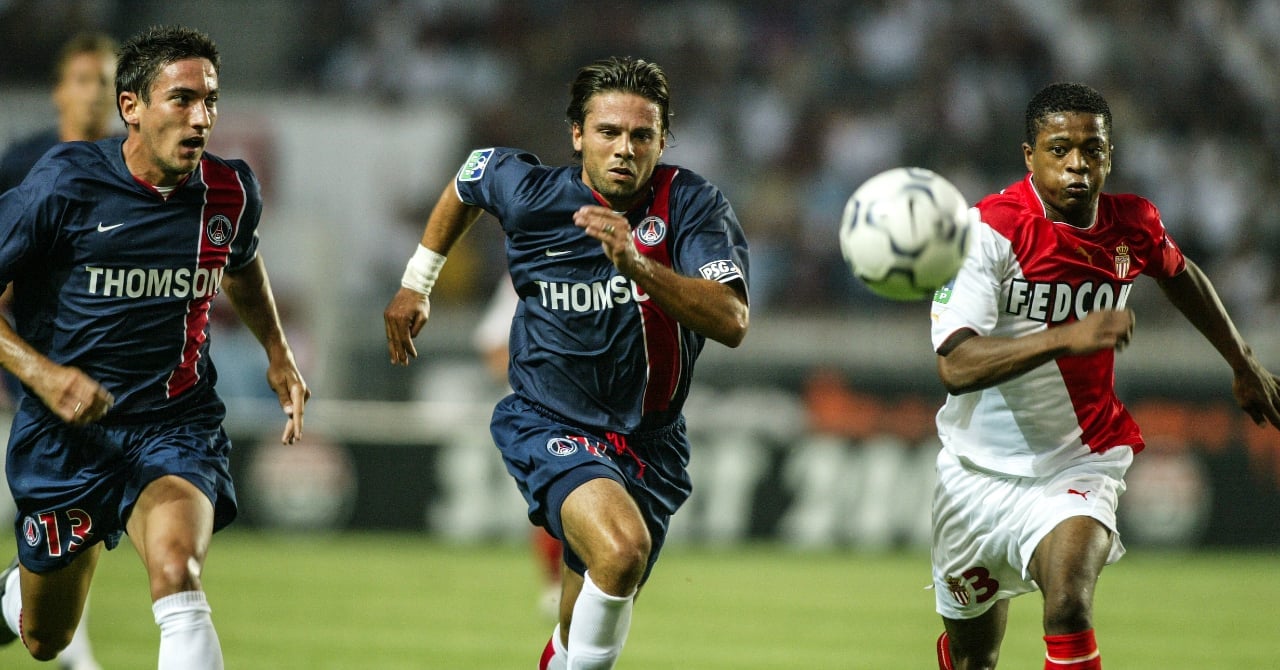
Fabrice Fiorèse was kidnapped in 2012 in Salins-les-Thermes, Savoie, three years after the end of his professional career. The former striker for PSG, Marseille and Guingamp recounted this episode in detail during an interview with journalist Daniel Riolo on November 10.
Three hooded individuals, armed with shotguns, targeted the former player after learning he had just received a substantial sum of money from a real estate transaction. “They beat me on the ground, I felt like an animal. They shot at me and threw me out of my car. I tried to fight back, to protect my family,” he recounted, clarifying that he was above all concerned with protecting his loved ones, who remained inside the house.
Forced into his abductors’ vehicle, Fiorèse found a desperate way out: he smashed the rear window with his boots and jumped while the car was moving at between 60 and 70 km/h. “I think it’s survival instinct. I jump before reaching the motorway where it would have been even more complicated,” he explained. Injured and alone on the road, he managed to stop a van to be taken to the hospital, then to the gendarmerie.
The investigation uncovered a betrayal at the heart of the case: the mastermind behind the kidnapping was Ghislain Anselmini, a former Lyon defender and close to the victim. Sentenced to five years in prison, Anselmini saw two of his accomplices receive ten years. An intermediary was sentenced to one year suspended, while another man pursued in the case was acquitted.
Read also
-
 Football ·
Wes Streeting honours Redbridge FC volunteers who have given 25 years to grassroots football
-
 Football ·
Lens Searches for Third Manager of Season as Three Names Divide Supporters
-
 Football ·
David Bates recalled to Scotland squad almost eight years after his last cap
-
 Football ·
Schmeichel accuses Manchester United of 'very disrespectful' treatment of Carrick amid Pochettino links
-
 Football ·
Manchester United's managerial merry-go-round surpasses £100m as Carrick exit adds £12m to the bill
-
 Football ·
Lamine Yamal absent against Czech Republic, Spain questions pick-and-choose selections

 Malta
