Finnish fighter Paatola submits Ukrainian soldier with rare leg scissor choke in Kyiv tribute bout
Perttu-Veli Paatola secured one of the most unusual submissions of the year at a Kyiv martial arts event held in honour of Ukrainian soldiers killed in the war with Russia, trapping opponent Hlib Kush in a leg scissor choke until he tapped out.
1 min read
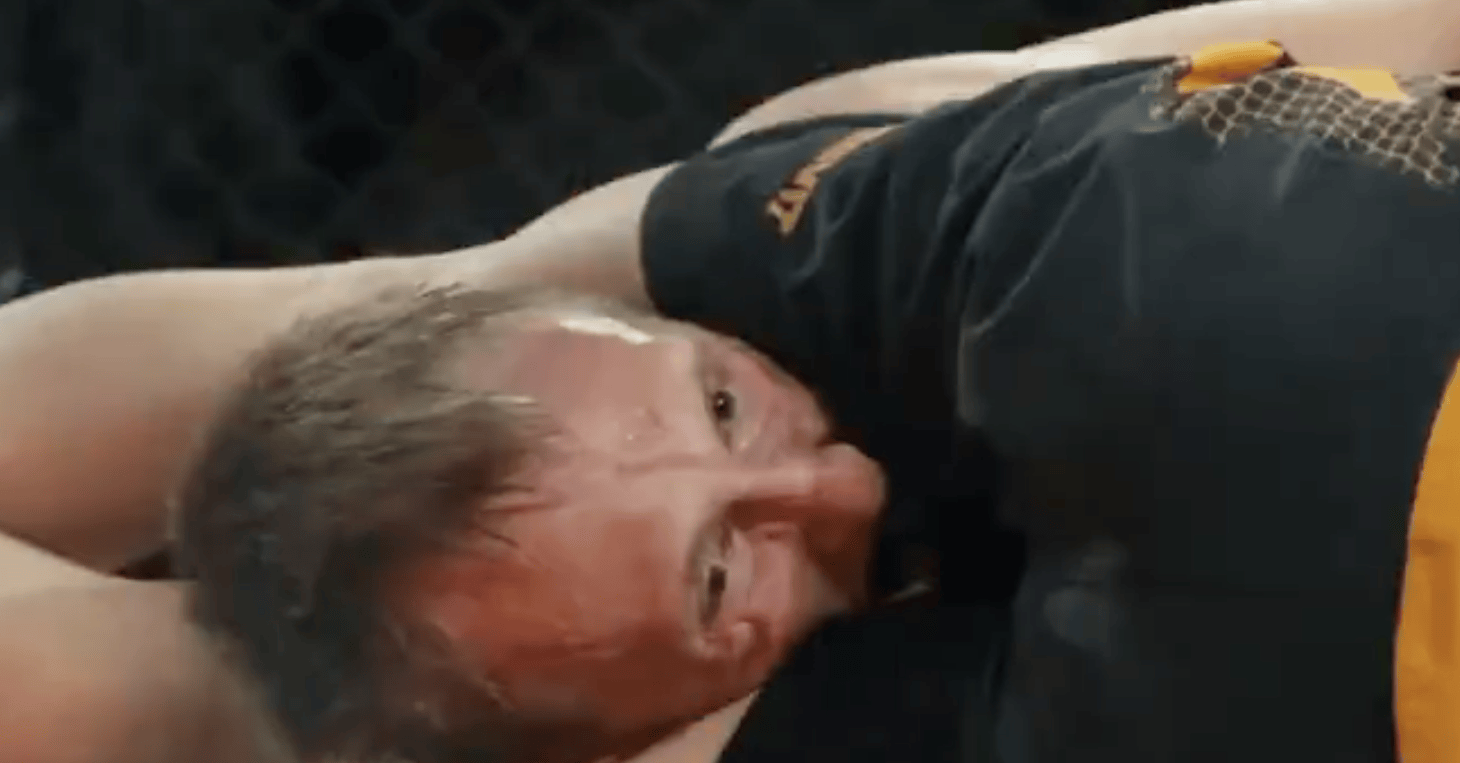
Finnish MMA fighter Perttu-Veli Paatola pulled off one of the most uncommon submissions seen this year, finishing Hlib Kush with a leg scissor choke at a martial arts event in Kyiv, Ukraine, held last October.
Kush, a Ukrainian serviceman rather than a professional fighter, appeared to underestimate the danger as Paatola wrapped his legs around his opponent’s neck. As Paatola tightened the squeeze, Kush found himself with no escape route and was forced to tap out.
The bout took place at an event organised to honour Ukrainian soldiers who have died during the ongoing war with Russia. The unusual finish gained wider attention after footage of the submission was shared on social media over the weekend.
The leg scissor choke — sometimes called a leg triangle or scissor choke — is rarely seen at any level of competition, making Paatola’s clean execution all the more striking. The technique requires precise positioning and timing, and the fact that Kush is a serviceman with no professional MMA background rather than a seasoned grappler may partly explain why the hold was not recognised and escaped in time.
Nonetheless, the finish stands as a testament to Paatola’s technical creativity on the ground and adds a memorable footnote to an event that was, above all, a tribute to those who have lost their lives in the conflict.
Read also
-
 MMA ·
Dislocated shoulder in minute one cost Aleksandre Topuria his UFC Qatar split decision
-
MMA ·
Hooker beats Ortega then demands Oliveira stripped of BMF title for Holloway fight
-
MMA ·
Unbeaten Stirling targets Pereira and Ankalaev after knocking out Prochazka at UFC Qatar
-
MMA ·
Unbeaten Stirling knocks out Prochazka at UFC Qatar, then mocks his bush-whacking rituals
-
MMA ·
Prochazka vows overhaul after Stirling KO leaves him with first back-to-back losses
-
MMA ·
UFC flyweight champion Joshua Van backs push to bring Fight Night to India

 Spain U17
