FIFA Considers 30-Minute Halftime for 2026 World Cup Final
To host a major musical show featuring Shakira, Madonna and BTS, FIFA is reportedly studying the idea of extending the halftime break of the 2026 World Cup final to 20 or 30 minutes, double the standard 15-minute duration.
1 min read
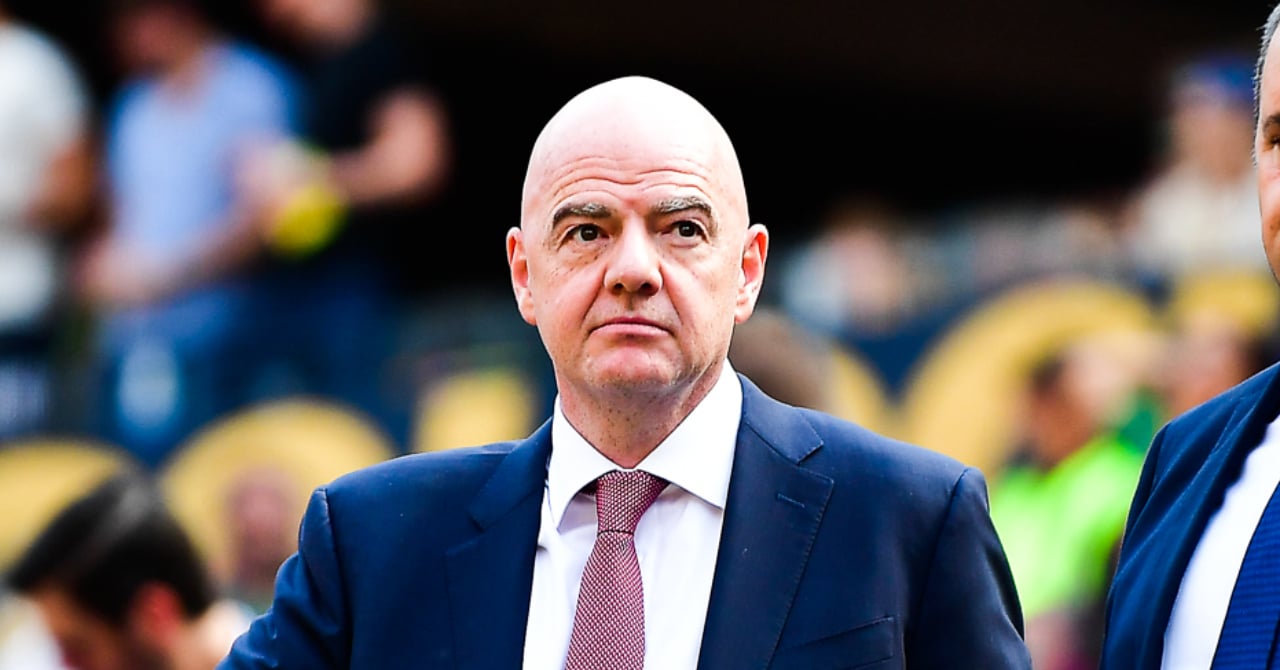
FIFA is considering extending the halftime break of the 2026 World Cup final to 20 or even 30 minutes to accommodate a major musical spectacle. If confirmed, the measure would double the standard duration set at 15 minutes by the Laws of the Game.
According to Martyn Ziegler, sports editor of The Times, the break could reach 30 minutes during the tournament’s final match. The Athletic and the BBC, meanwhile, mention a minimum of 20 minutes, far from the 11 minutes officially announced by the governing body, presented as “a memorable celebration at the intersection of sport, music and global influence”.
The precedent of the 2025 Club World Cup fuels these speculations: the halftime of that competition’s final, also held in the United States, had already lasted nearly 25 minutes.
To host this American-style show, several world-renowned artists are expected: Shakira, Justin Bieber, Burna Boy, Madonna and the group BTS. The entire spectacle will be coordinated by Chris Martin, Coldplay’s singer and designated artistic director of the event.
This decision is part of a series of changes made by FIFA for this American-Canadian-Mexican World Cup, following the expansion of the tournament to 48 teams and the introduction of cooling breaks. Such a significant extension of halftime nonetheless raises legitimate sporting questions: players, whose opinion is generally not sought in this type of decision, would be forced to manage an unprecedented break in the most important match of their careers.
Read also
-
 Football ·
Haaland not pushing for Arsenal move despite Man City's financial breach verdict
-
 Football ·
Olise snatches France win in Brussels as Italy demolish Turkey 4-1 under Mancini
-
 Football ·
Olise snatches victory for France in Brussels, Zidane lets joy burst out
-
 Football ·
Da Cunha stuns on France debut: "I was in the second division just a few years ago"
-
 Football ·
Ferdinand urges Manchester United to stand firm as 15-year-old Gabriel demands exit
-
 Football ·
Joe Hart backs Man City chairman and insists 'I know what we did' amid charges uncertainty

 Tajikistan