FIA targets 80kg weight cut as Tombazis backs 2026 chassis rules despite power unit storm
The FIA wants Formula 1 cars to shed a further 80kg under the next regulations overhaul, with single-seater director Nikolas Tombazis arguing the 2026 chassis rules are already a step forward — even as power unit complaints have dominated the season.
2 min read
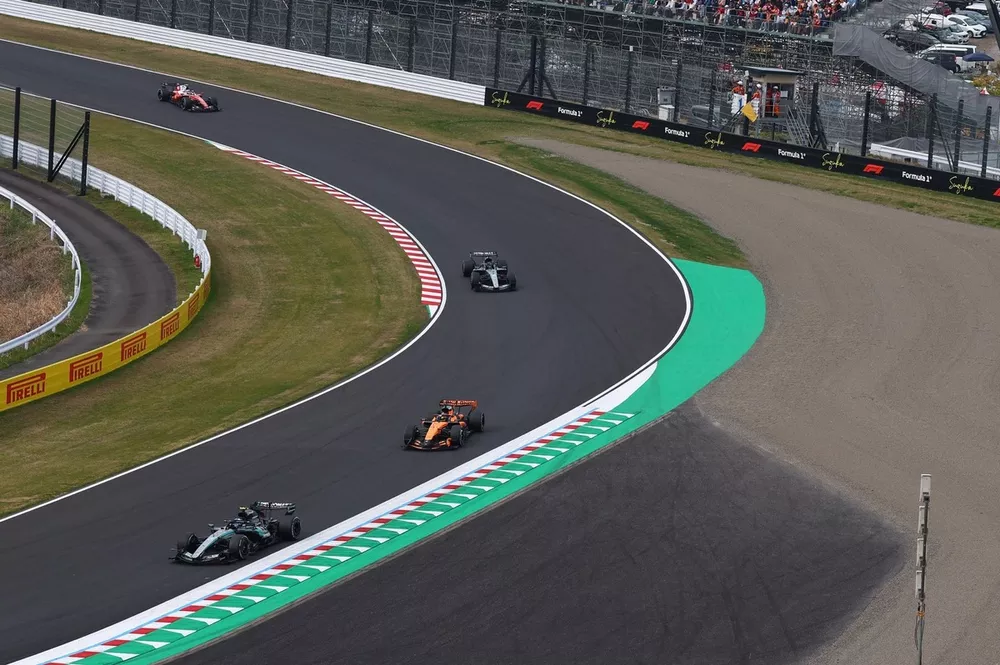
The FIA is targeting an additional 80kg reduction in Formula 1 car weight under the sport’s next regulations cycle, with single-seater director Nikolas Tombazis defending the 2026 chassis rules as a genuine improvement despite the season being consumed by power unit controversy.
The current 2026 regulations introduced what the FIA labelled the “nimble car concept” — machinery that is smaller, lighter and produces significantly less downforce. The wheelbase is 20cm shorter than last year’s cars, the width has been trimmed by 10cm, and the minimum weight has been cut by 32kg to 768kg. Yet those gains have been almost entirely overshadowed by widespread complaints about the new power units and energy management systems.
Tombazis, speaking to select media including Autosport, acknowledged the noise around the engines but insisted the chassis side of the equation deserves more credit. “I think probably yes, although one should never assume that the job is finished. But I do think cars follow each other more closely,” he said.
According to the FIA, the negative effect of dirty air on a following car has been reduced to the level seen in the opening year of the previous 2022 ruleset. Tombazis believes this iteration is more durable, because teams have not yet found loopholes that undermine the concept in the way they did previously.
“I believe we are similar to where we were at the start of the 2022 championship, but I think it’s a bit more robust this year,” he said. “The various aerodynamic solutions they’ve had, we haven’t found something that has broken the concept, whereas in the previous regulations there were a few things that actually did significantly compromise the concept.”
He pointed specifically to front wing endplates, floor edges and front wheel furniture on the previous generation of cars as elements that worsened wake characteristics and made close racing harder. The FIA says it learned from those failures when drafting the current rules.
Tombazis also highlighted driver challenge as a deliberate design goal. “They are still quite difficult cars to drive for the drivers, which I think is good, that they’re not just cars that anybody can drive,” he said.
With the 2026 rules still in their infancy, the FIA’s ambition to strip a further 80kg from future cars signals that the push toward lighter, more nimble machinery is far from over — even if the current cycle has yet to receive the recognition its architects believe it deserves.
Read also
-
 Formula 1 ·
Hamilton escapes ban but Ferrari fined €10,000 after Bortoleto impeding scare in Bahrain GP practice
-
 Formula 1 ·
Russell admits Mercedes is 'off the pace' after difficult Friday practice at Sepang
-
 Formula 1 ·
Brundle dismisses Horner-to-Ferrari rumours after speaking directly with the Briton
-
 Formula 1 ·
Verstappen skips soft tyres in Malaysia FP2 and urges caution over Red Bull's progress
-
 Formula 1 ·
Briatore draws line under Colapinto's Baku crash as Alpine chase Racing Bulls
-
 Formula 1 ·
Hadjar returns from wrist fracture with podium, contract and a joke about his couch

 Colombia