FIA closes F1 cost cap loophole by forcing strict separation of team staff
The FIA's World Motor Sport Council has approved five new articles in the 2027 operational regulations that bar non-F1 staff from working on grand prix projects, closing a loophole that allowed teams to conceal spending within other programmes.
2 min read
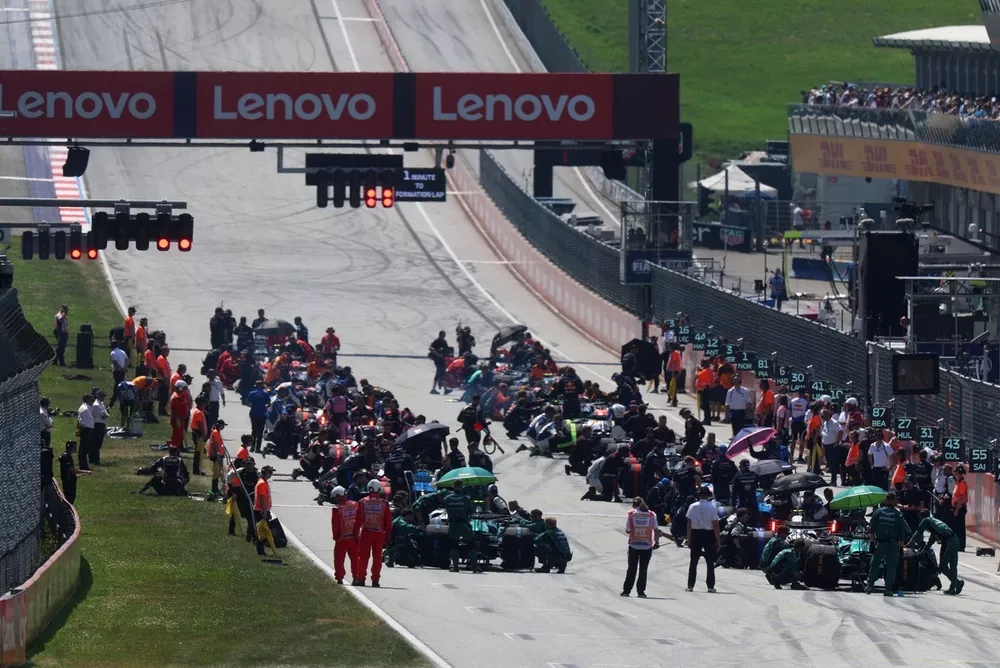
The FIA has moved to seal a significant cost cap loophole, with the World Motor Sport Council approving new regulations that will force Formula 1 teams to completely separate their grand prix operations from all other business activities starting in 2027.
The intervention comes after some teams managed to exploit the existing rules by splitting engineers’ time across F1 and non-racing programmes — such as WEC, Formula E, product development or sailing — and declaring only a percentage of that work against the budget cap. Facilities including simulators, wind tunnels, test benches, data centres and IT systems were similarly shared, obscuring the true cost of F1 operations.
Five new articles added to the 2027 operational regulations draw a hard line between F1 and non-F1 activities. Non-F1 staff will be barred from entering the F1 factory, while those working on grand prix programmes will be prohibited from visiting colleagues in other divisions. Staff transfers between the two sides can no longer be direct — a new contract detailing changed duties will be required, and the employee’s company badge and email will be deactivated.
The rules go further still. Any employee leaving the F1 team will not be permitted to return for at least one year. Those moving in the opposite direction — from a non-F1 programme into the F1 squad — must serve a three-month gardening leave period during which they cannot engage in any company activities whatsoever.
The practical effect is that the F1 operation will function as a self-contained entity within a manufacturer’s wider organisation, regardless of how deeply embedded it has historically been within a parent company’s structure. Teams that are part of large automotive groups — such as Ferrari, Mercedes, Renault and Audi — will feel the impact most acutely, as they have traditionally benefited from shared infrastructure and personnel.
The FIA acknowledges the new framework is likely to drive up costs and headcounts in the short term, as non-F1 divisions are forced to recruit externally to replace expertise that can no longer be shared. However, the governing body’s priority is ensuring a level playing field between manufacturer-backed outfits and independent teams whose operations are already confined entirely to grand prix racing.
Read also
-
 Formula 1 ·
Leclerc admits Ferrari's raw pace lags behind rivals ahead of Austin upgrade
-
 Formula 1 ·
Norris vows to make better decisions after McLaren hold fresh talks over Piastri clash
-
 Formula 1 ·
Horner admits he pressured Masi to restart the 2021 Abu Dhabi GP that handed Verstappen the title
-
 Formula 1 ·
Horner reveals Hamilton held secret Red Bull talks at Newey's home in 2012
-
 Formula 1 ·
Formula E CEO renews push to get Verstappen into 600kW Gen4 car
-
 Formula 1 ·
Aston Martin and Smythson launch luxury F1 collection with prices up to £595

 Canada W U17