Ferguson recalls losing his voice after 2018 brain haemorrhage and emotional Old Trafford return
Sir Alex Ferguson has described the frightening moment he lost the ability to speak following emergency brain surgery in May 2018, and the standing ovation that greeted his return to Old Trafford four months later.
1 min read
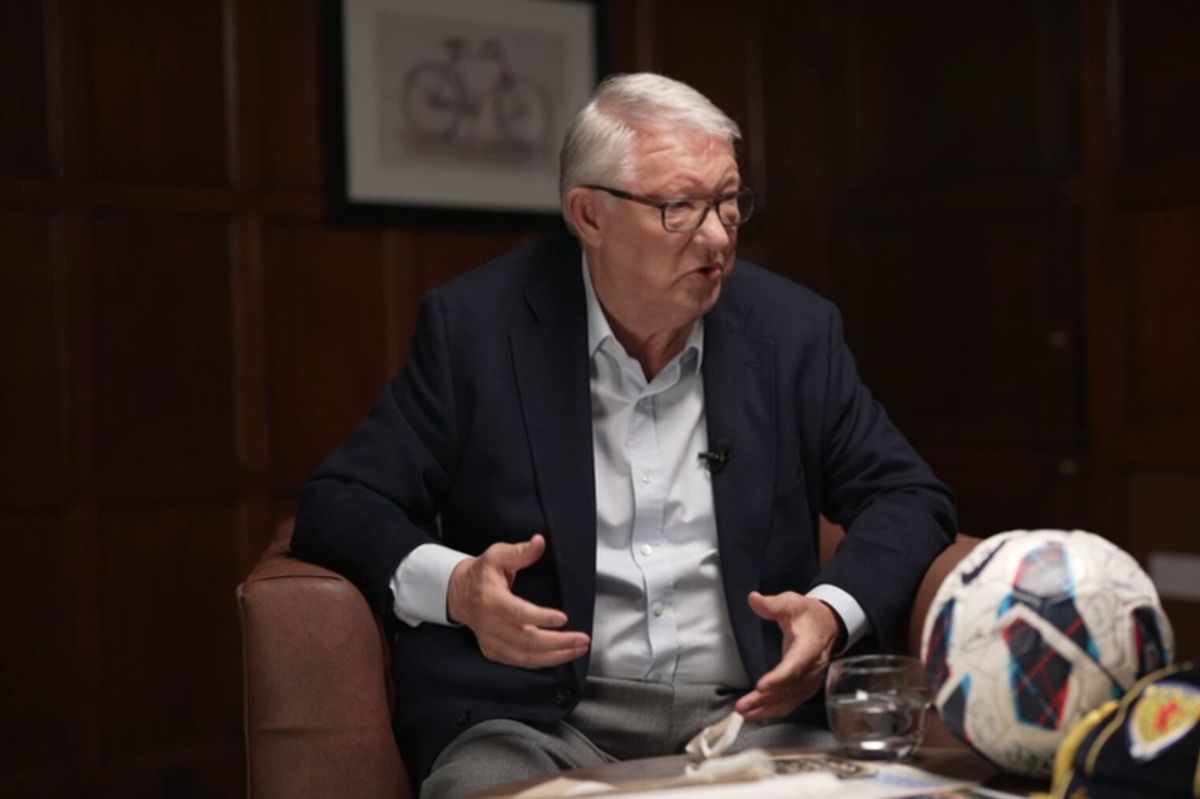
Sir Alex Ferguson has spoken candidly about losing his voice in the aftermath of his brain haemorrhage in May 2018, revealing that speech therapy involving naming birds, animals and rivers helped him recover the ability to talk.
The 84-year-old, who was 76 at the time of the emergency surgery, told BBC Breakfast that the sudden loss of speech was the most frightening part of his ordeal. “I had lost my voice; I couldn’t speak,” he said. “That was a frightening moment. I remember my grandsons coming to see me and I had lost my voice. Then they brought in a therapist and she started doing things like asking me to write down the names of birds, names of animals, names of rivers. That way my voice came back.”
Ferguson returned to Old Trafford just four months after surgery to watch Manchester United face Wolves, but admitted he was anxious about the reception he would receive. “I wish I could say I was comfortable. I wasn’t,” he said.
His concerns proved unfounded. Ferguson and his late wife Cathy were met with a standing ovation from all four corners of the ground as they took their seats. “My wife was with me, and she was nearly crying,” he recalled. “When we sat down, she said ‘that’s fantastic’.”
Ferguson had been retired for five years before the haemorrhage struck. Reflecting on his current health, he offered a measured assessment: “I’m feeling quite good despite small injuries.”
Read also
-
 Football ·
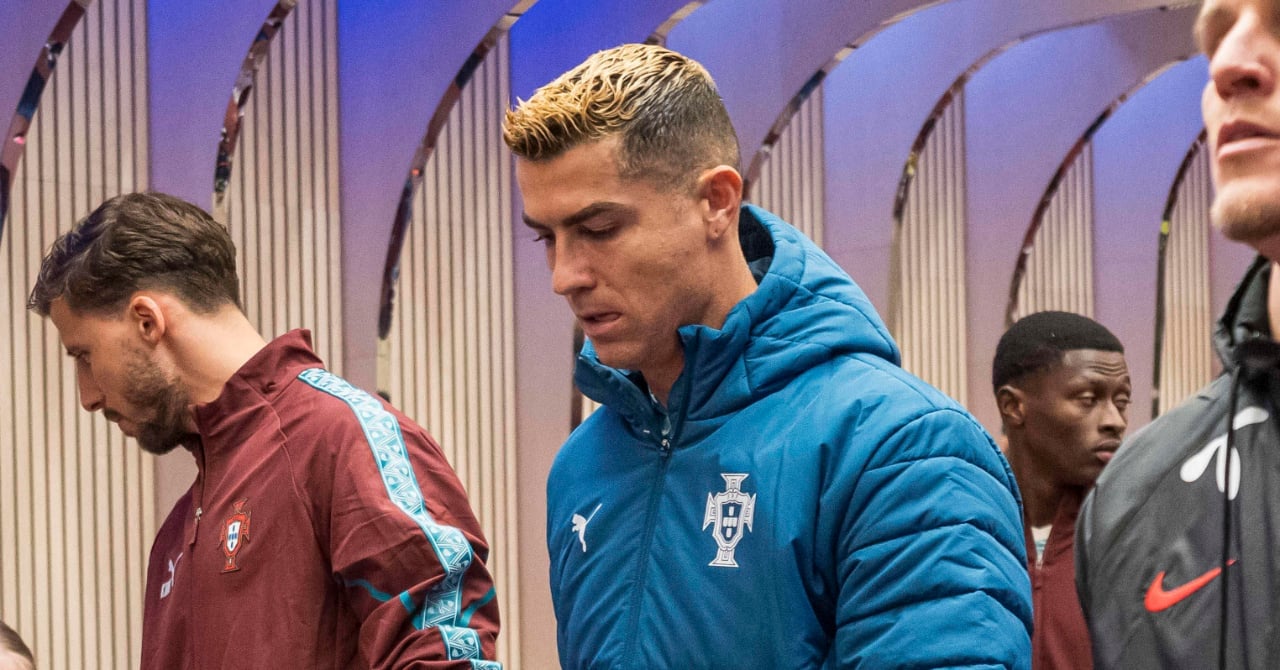
Portugal crushes Denmark (4-2) and turns the page on Ronaldo without regret
-
 Football ·
Manchester City face £800m rival lawsuit and HMRC probe as appeal deadline arrives
-
 Football ·
FC Nantes takeover: Saint-Étienne precedent raises doubts over Paulo Tavares
-
 Football ·
Thierry Henry backs Mbappé and Olise as top Ballon d'Or contenders
-
 Football ·
Free from Al-Ahli, Mahrez expected at Al-Shamal to revive his career in Qatar
-
 Football ·
Rooney pinpoints Rashford's positional problem as Ferdinand urges Benzema free transfer
 Congo DR