F1's 2030 V8 engine announcement deleted hours after FIA president posted it
FIA president Mohammed Ben Sulayem briefly posted that V8 engines were "coming soon" to Formula 1, only for the announcement to be swiftly deleted across all FIA social media channels, exposing deep divisions among manufacturers, teams, and the commercial rights holder.
2 min read
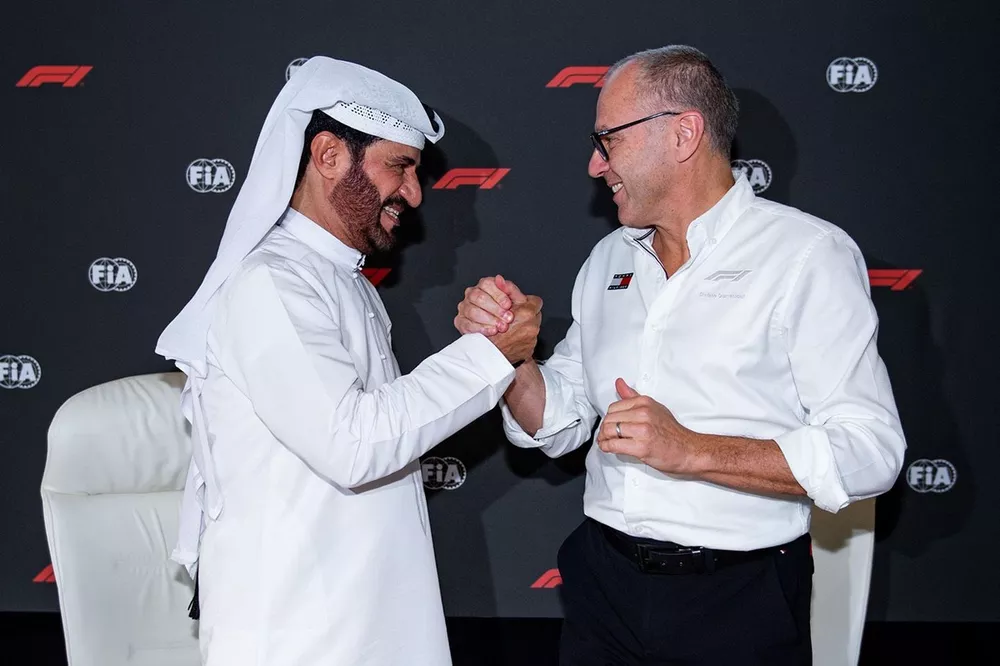
Formula 1’s path to a new engine formula hit a public stumble this week when FIA president Mohammed Ben Sulayem posted — and then rapidly deleted — a social media announcement declaring that V8 engines were returning to the sport. The posts, which appeared across the FIA’s Instagram and other channels before being scrubbed, suggested a breakthrough had been reached at a high-stakes meeting between engine manufacturers, the FIA, and commercial rights holder Liberty Media.
Ben Sulayem’s now-deleted Instagram post read: “You spoke, we listened. V8s coming soon,” accompanied by an FIA-branded graphic featuring sound waves and the unmistakeable audio of a high-revving V8. Within minutes of the posts going live, they were gone — preserved only in screenshots taken by those who caught them in time.
The episode lays bare the complexity of reaching consensus in modern Formula 1. While the FIA president holds the authority to set technical regulations, any meaningful change to the engine formula is bound up in the commercial framework of the Concorde Agreement, which requires alignment between the FIA, the teams, the manufacturers, and Liberty Media. Several of those parties are in direct competition with one another, making agreement a notoriously slow and fractious process.
Ben Sulayem has been a consistent advocate for moving away from the current turbocharged hybrid V6 architecture and for accelerating the timeline of that transition. The existing formula is not due to change in its essential concept until 2031, but the FIA president has repeatedly pushed for a new generation of engines to arrive in 2030, stating he would use all powers available to him to achieve that goal.
According to briefings from those close to the discussions, there was broad agreement in principle for a turbocharged 2.1-litre V8 with a reduced electrical element — a significant shift from the heavily electrified current units. Reaching even that level of consensus required considerable compromise from all sides.
The premature announcement and its swift retraction suggest that while technical outlines may be taking shape, the political and commercial groundwork needed to formally ratify a 2030 engine change remains unfinished. For now, the white smoke has turned black.
Read also
-
 Formula 1 ·
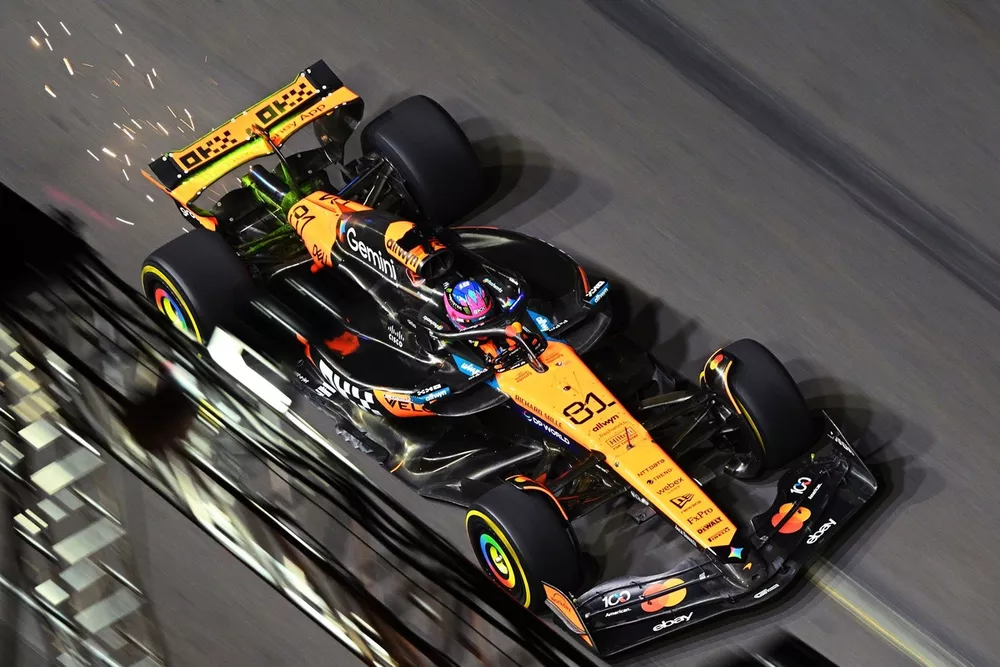
Piastri takes 10-place grid drop at Las Vegas GP after McLaren forced into fifth engine
-
 Formula 1 ·
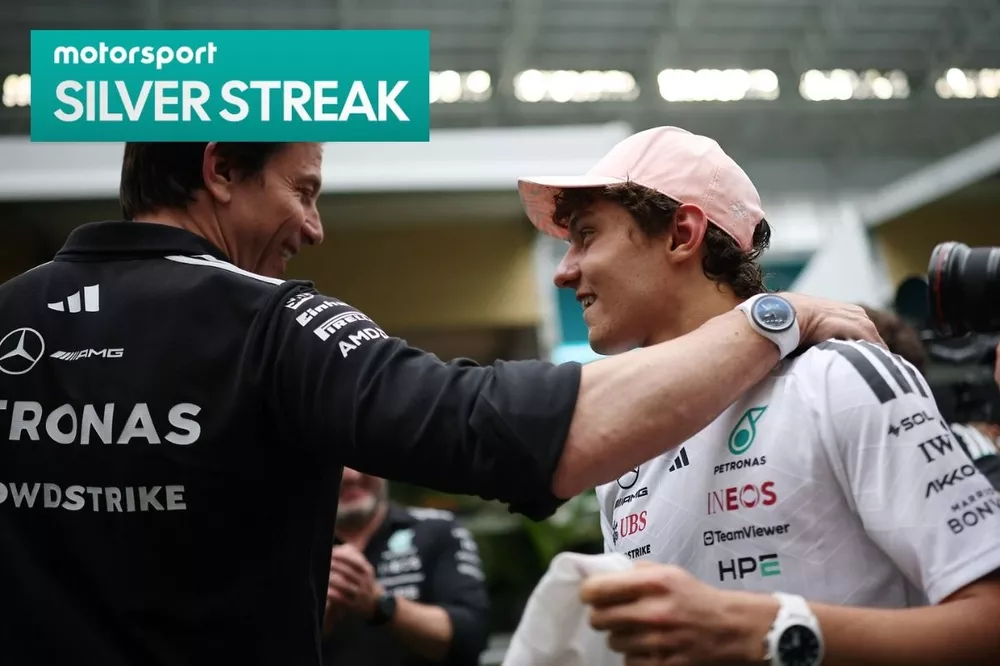
Wolff recalls teenage Antonelli sleeping on his couch before 2026 title triumph
-
 Formula 1 ·
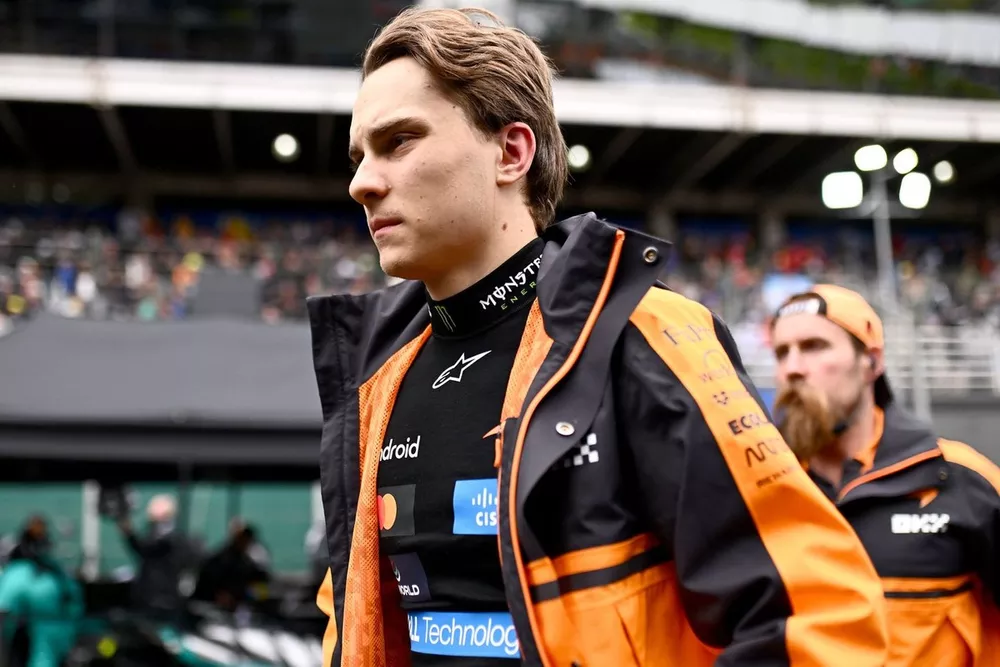
Piastri takes 10-place grid penalty in Las Vegas after McLaren fits fifth engine
-
 Formula 1 ·
Wolff skipped Brazil party to toast Mercedes' 2026 double with a vodka shot on the plane
-
 Formula 1 ·
Wolff explains why Russell will be denied Mercedes' new turbo in Las Vegas
-
 Formula 1 ·
Lawson's 2026 revival earns him Racing Bulls seat for 2027, says Permane

 Switzerland U17
