Endorsed with 99.5% of votes, Rafael Nadal joins Real Madrid's board of directors
Former tennis player Rafael Nadal was officially appointed to Real Madrid's board of directors on Saturday, after receiving 1,704 votes in favor and only 4 against during an extraordinary general assembly in Madrid.
1 min read
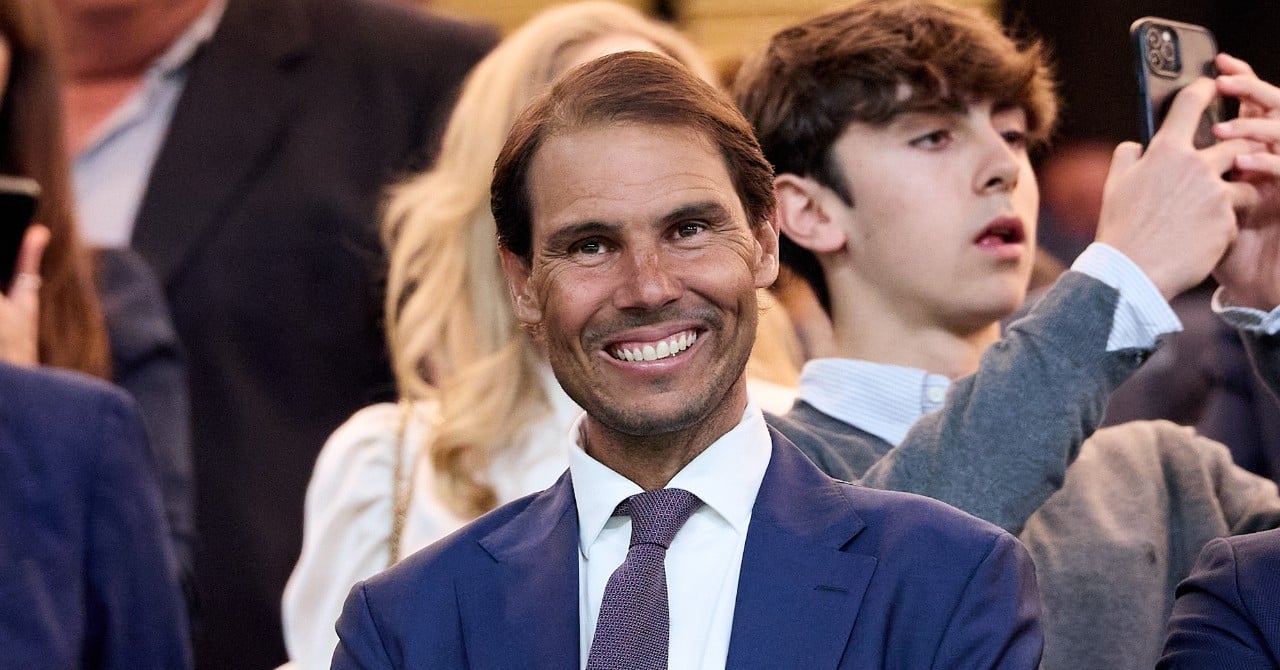
Rafael Nadal now sits on Real Madrid’s board of directors. During an extraordinary general assembly held on Saturday in Madrid, the socios compromisarios approved his entry into the “Junta Directiva” with 1,704 votes in favor, 4 against and 5 abstentions, representing 99.5% approval.
“It is a great responsibility to be part of Real Madrid’s board of directors,” Nadal said in a statement. “This club is passed down from father to son and brings people together. It unites me with my family and friends around the matches. It is immense joy and immense satisfaction.”
It was president Florentino Pérez who proposed to the Spaniard to join the governing body of the merengue club, two years after his retirement from professional tennis. “His name is already part of the universal history of sport,” Pérez responded. “He has accomplished something that very few people are capable of achieving: becoming a legend admired and respected in every corner of the world. But those of us who have had the chance to meet him know that his greatness goes far beyond his successes and his countless titles.”
The winner of 14 Roland-Garros titles had previously mentioned on several occasions his ambition to one day lead his beloved club. Real Madrid’s bylaws require twenty years of membership as a socio to be eligible for the presidency, which would make Nadal eligible around 2031 — after the end of Florentino Pérez’s current term.
Read also
-
 Football ·
Pochettino admits sleepless start as Man United face Liverpool with just three training sessions
-
 Football ·
Premier League confirms why Haaland's equaliser was ruled out as City fume against Fulham
-
 Football ·
Sarr confirms Crystal Palace contract talks after putting Liverpool interest 'behind him'
-
 Football ·
Sidelined at PSG, Lucas Digne Appears to Have Lost All of Luis Enrique's Confidence
-
 Football ·
Willian reveals how Chelsea snatched him from Spurs on the day he was set to sign
-
 Football ·
Coroner warns FA and government over heading risk after Nobby Stiles CTE death
 Brazil U17
