Donnarumma struck on elbow, VAR validates Arsenal's equalizer against City
The Arsenal-Manchester City clash (2-2) at the Emirates Stadium turned into an refereeing controversy: VAR refused to sanction an elbow blow on Donnarumma before the Gunners' equalizer, then ignored a possible penalty for City in added time.
1 min read
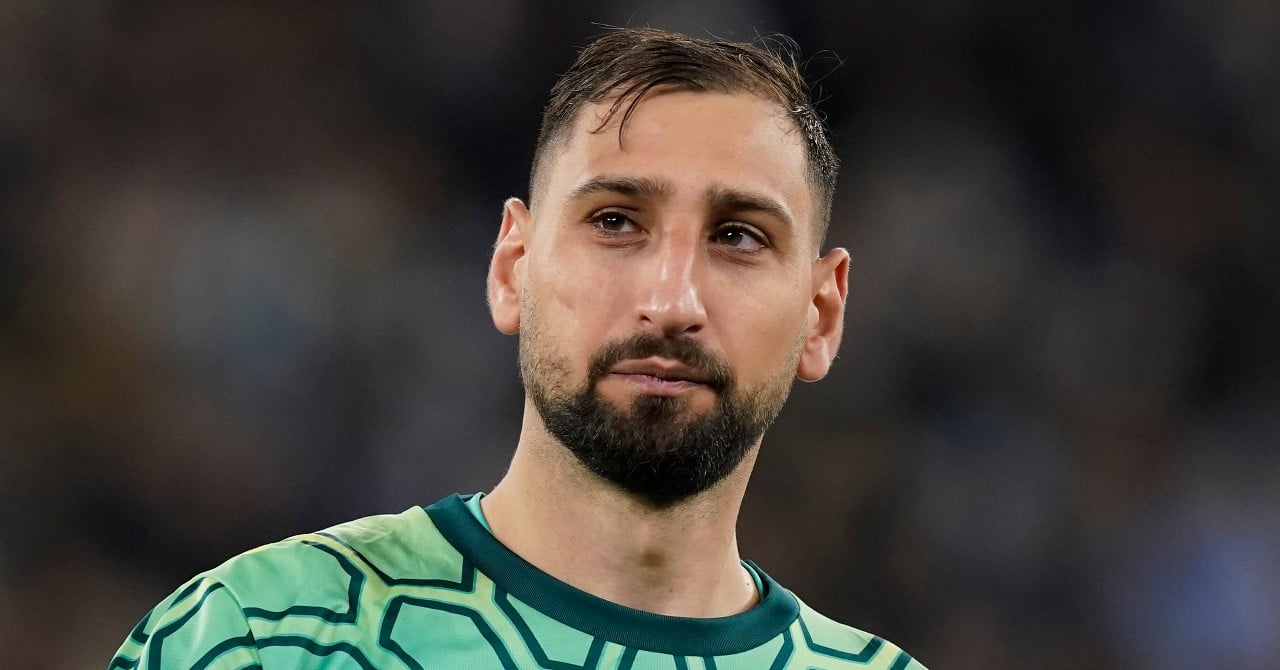
Arsenal and Manchester City drew 2-2 on Sunday at the Emirates Stadium, following a closing phase marked by two refereeing decisions that sparked outrage on the Manchester side.
The visitors had led twice: Erling Haaland opened the scoring in the 34th minute on a run launched by Josko Gvardiol, before Enzo Fernández doubled the lead in the 48th after an individual effort by Ayyoub Bouaddi. Kai Havertz had brought Arsenal level 1-1 with a header in the 40th, from a Mikel Merino assist.
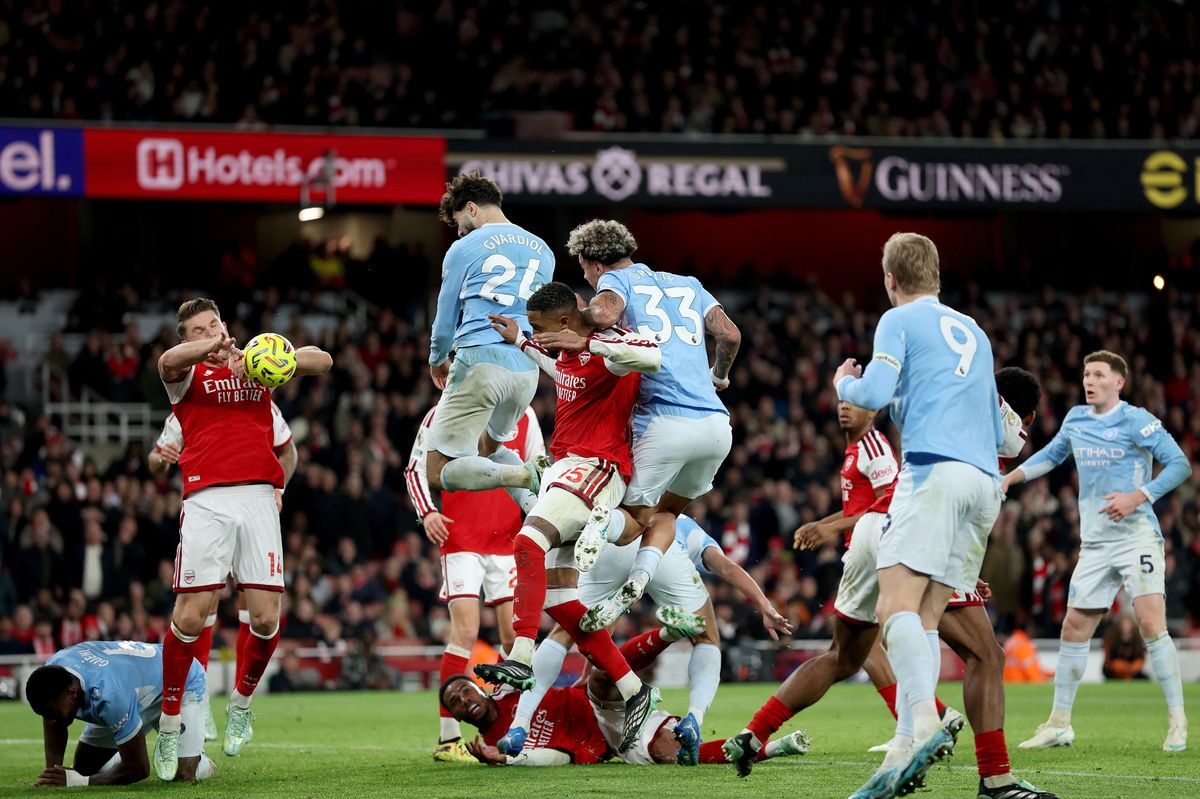
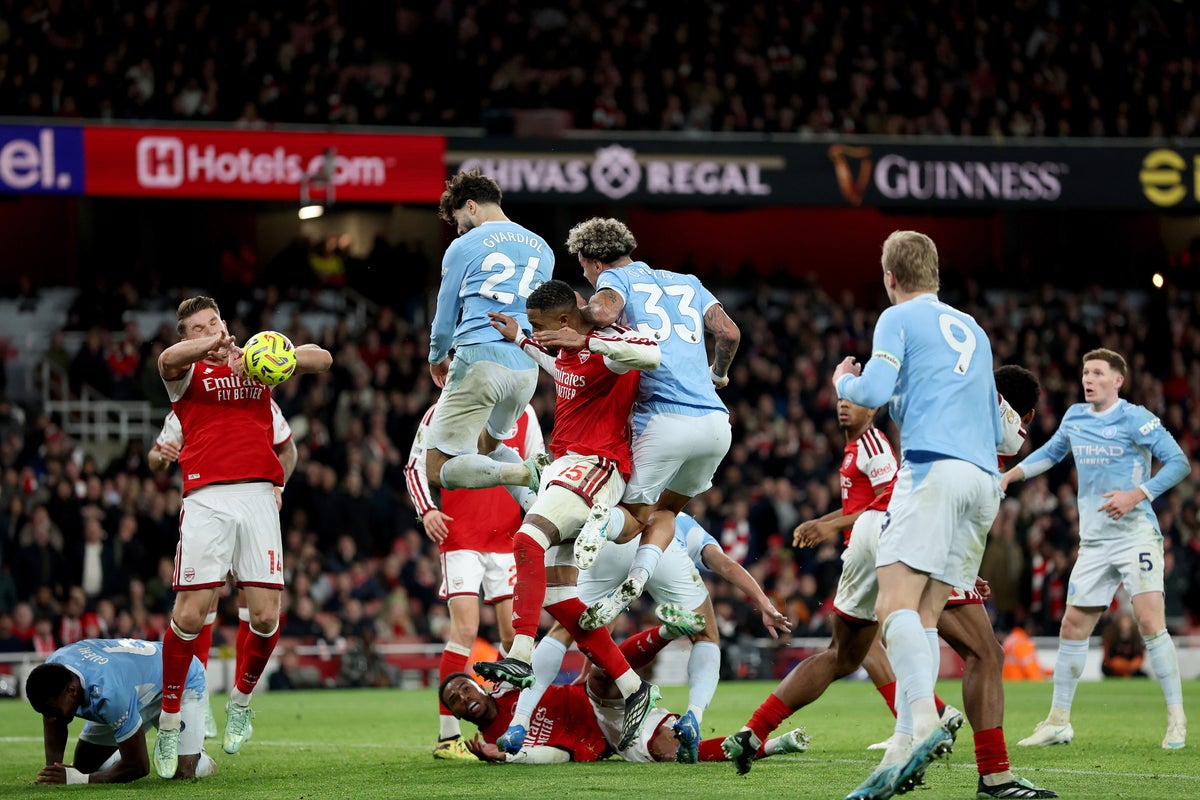
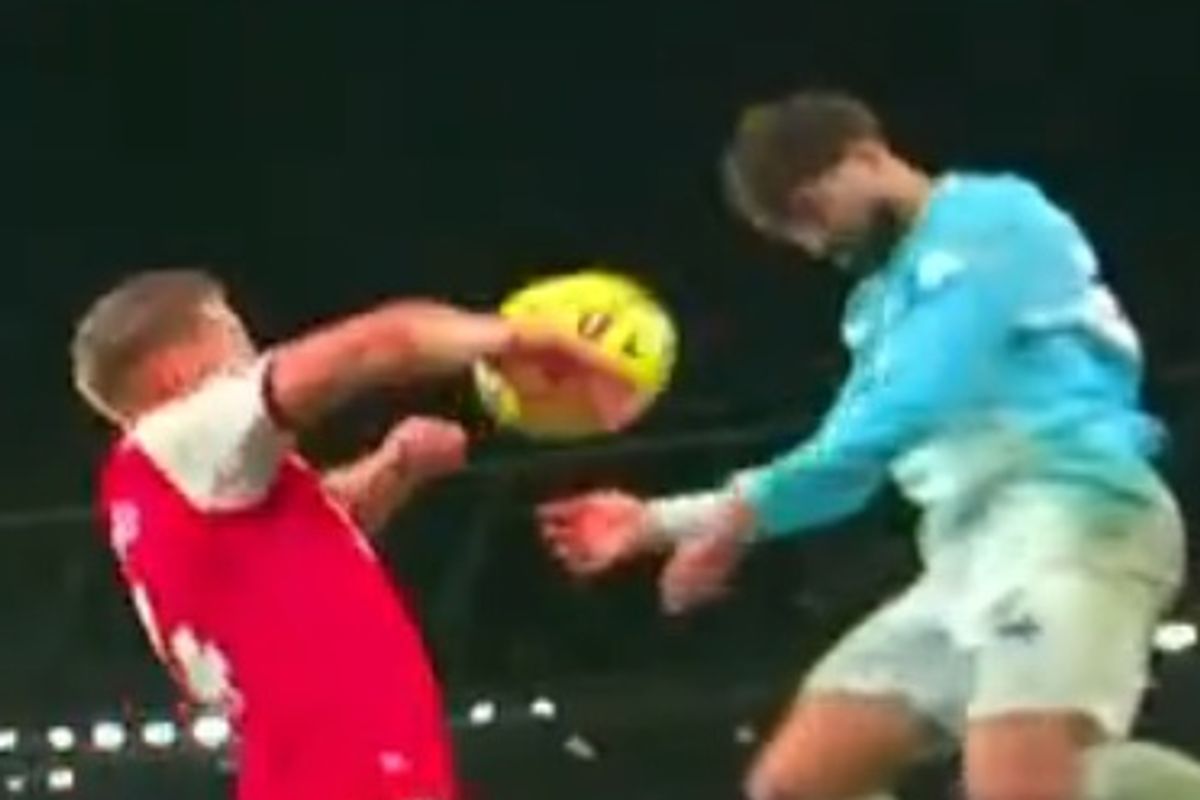
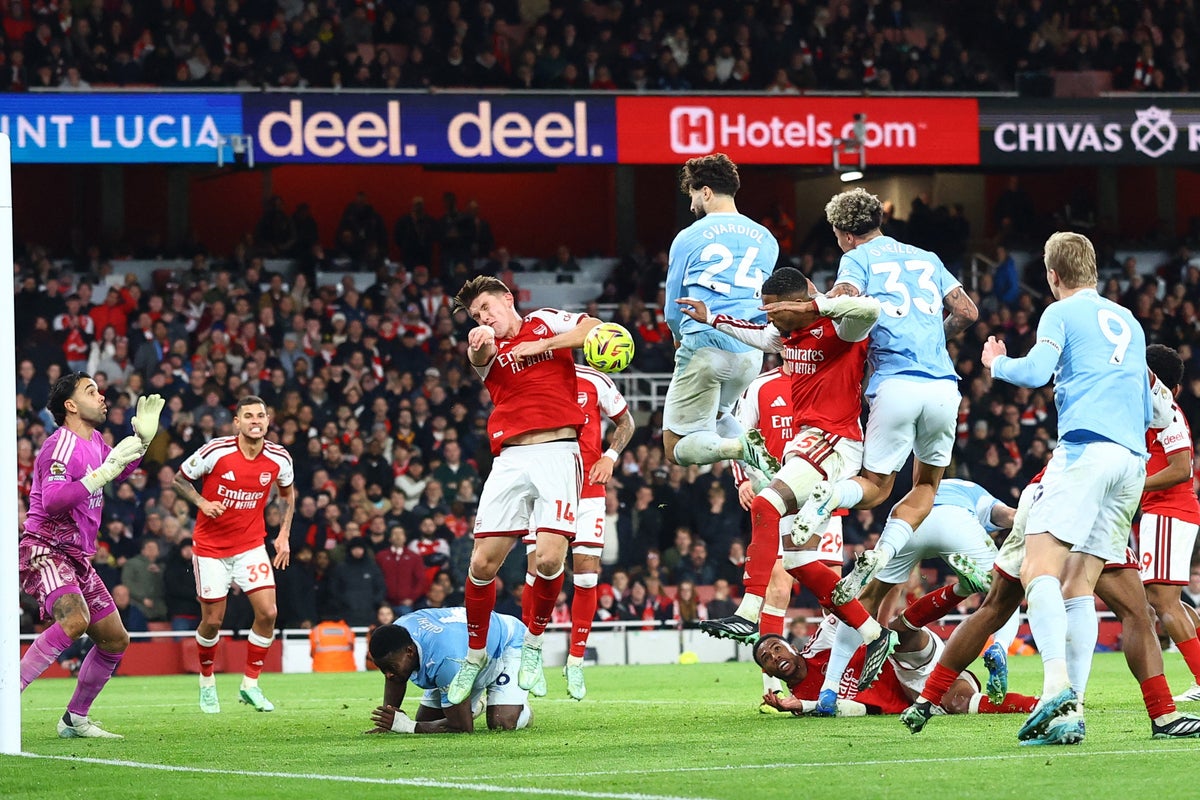
The final equalizer, in the 83rd minute, crystallized City’s anger. From a corner, Jurriën Timber pushed the ball in, but VAR was immediately consulted. The images showed that Gianluigi Donnarumma had received an elbow blow to the back of the neck from Gabriel as he was about to catch the ball, preventing him from intervening. The video referees nonetheless ruled there was no foul on the Italian goalkeeper and that Timber had not touched the ball with his hand. Goal awarded.
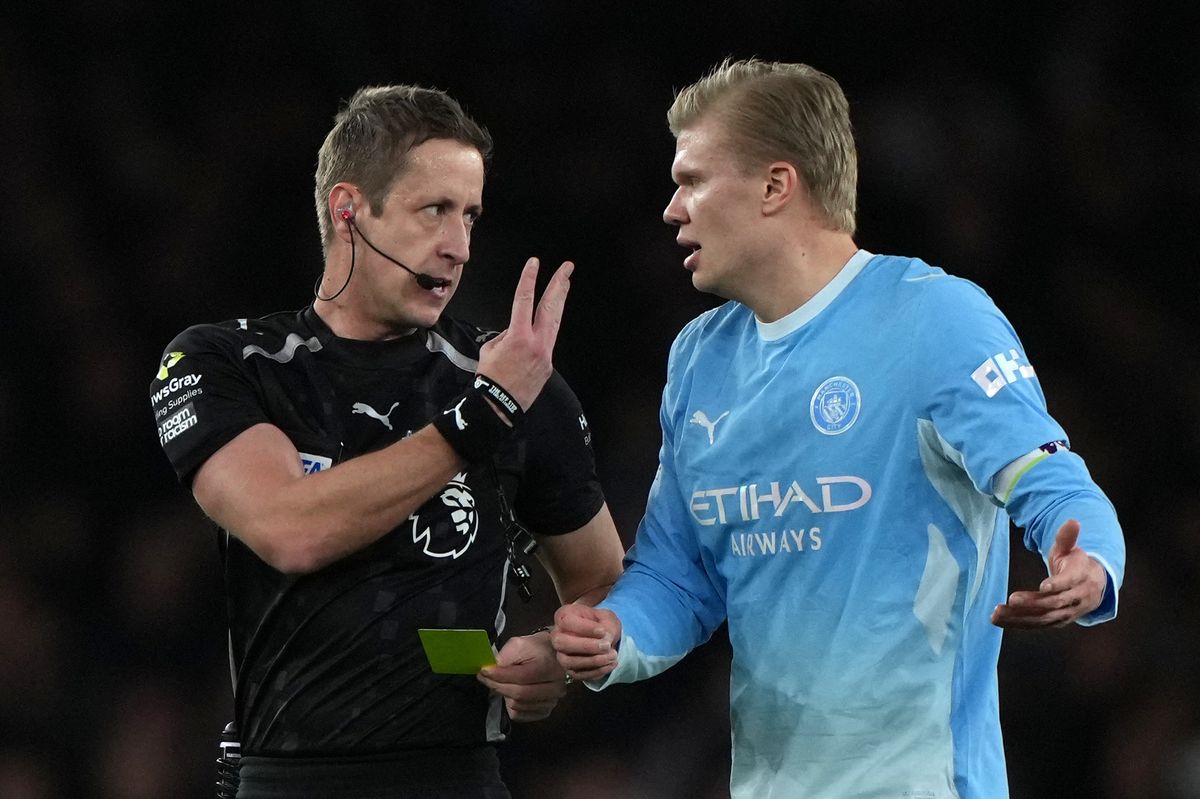
The second controversy came in the 90th+7th minute. A Gvardiol header was blocked by the two arms of Viktor Gyokeres in front of David Raya’s goal. After several minutes of video analysis, VAR again refused to intervene, denying City a penalty that could have given them victory. Enzo Maresca and his players left the field in shock.
In the standings, Arsenal maintains a six-point lead over Manchester City at the top of the Premier League.
Read also
-
 Football ·
Haaland breaks silence after VAR denies City in controversial Arsenal draw
-
 Football ·
Anderson calls VAR 'blatant' after City denied stoppage-time penalty in 2-2 draw with Arsenal
-
 Football ·
Alfie Haaland fumes at 'f***ing disgrace' as VAR denies City late penalty in 2-2 Arsenal draw
-
 Football ·
Gyokeres handball controversy overshadows Arsenal's six-point lead after 2-2 City draw
-
 Football ·
Premier League explains why Gyokeres handball was not a penalty in City's 2-2 draw with Arsenal
-
 Football ·
VAR denies City stoppage-time penalty as Arsenal escape with 2-2 draw at the Emirates
 Argentina W