Diallo chosen in 15 minutes: Uefa's Fifa presidential bid draws governance criticism
Uefa's Executive Committee took just 15 minutes to select French federation president Philippe Diallo as its candidate to challenge Gianni Infantino for the Fifa presidency, a process that has drawn sharp criticism from national association chiefs who were never consulted.
2 min read
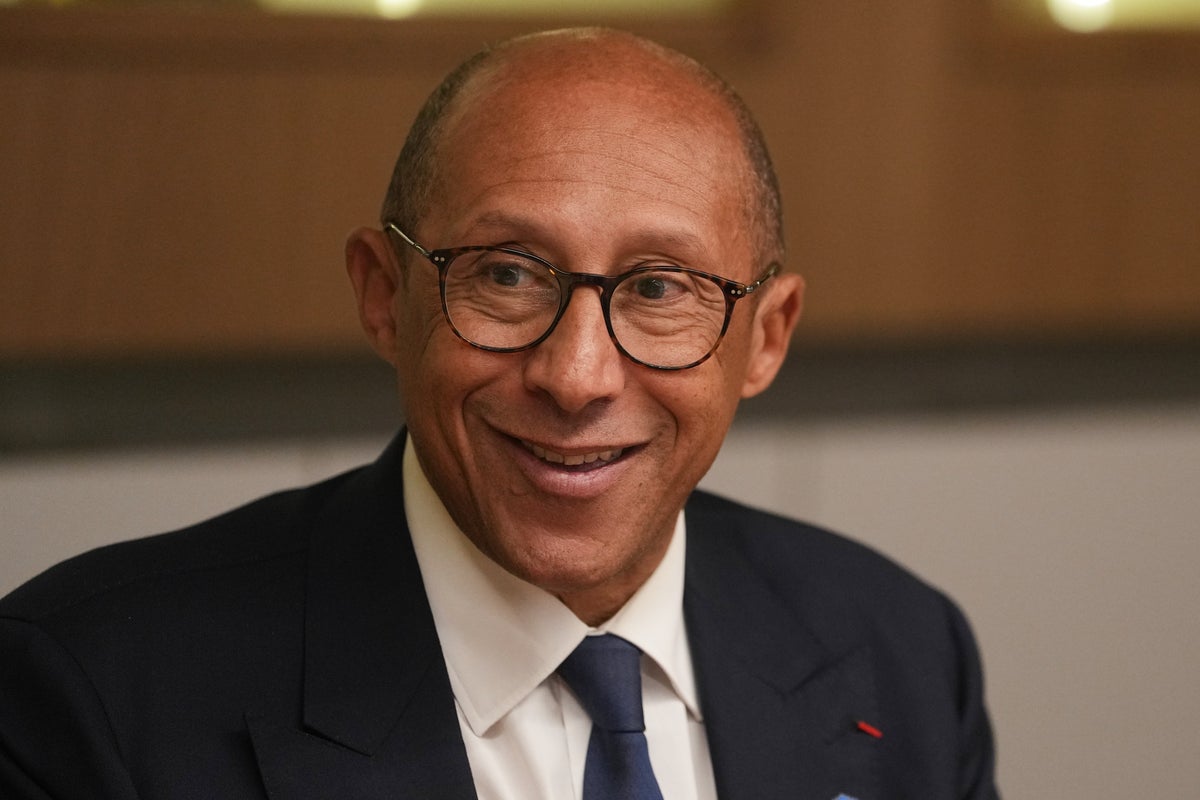
Uefa’s decision to nominate Philippe Diallo as its candidate for the Fifa presidency was made in a 15-minute Executive Committee meeting, raising serious questions about the transparency and legitimacy of a process the European body described as “unanimous”.
The European governing body announced on Monday that Diallo, president of the French Football Federation, would challenge incumbent Gianni Infantino — a move that surprised many in the game after Uefa had spent weeks attempting to persuade Arsène Wenger to stand. The belated announcement was met with scepticism, with some stakeholders privately questioning whether Diallo has any realistic chance of success and others suggesting Uefa might have been better served by fielding no candidate at all, thereby delegitimising what is widely expected to be an Infantino landslide.
Uefa president Aleksander Ceferin put Diallo’s name forward at Monday’s Executive Committee meeting, attributing the initial suggestion to the Football Association. Sources indicate Ceferin acknowledged that Wenger had been the preferred option and that Diallo fell short of criteria established at a Uefa “Top Executive Programme” meeting in early October. The prevailing view, however, was that having made public its intention to field a candidate, Uefa felt compelled to follow through regardless of whether it represented the best strategic course.
A further name discussed was Hungarian representative Sandor Csanyi, though that option was not well received, and Diallo was partly selected to foreclose that possibility.
While Uefa’s Executive Committee holds formal authority as the body’s highest decision-making organ, the scale of the decision has led to criticism that it should have been put to a vote of all 55 national associations. Ceferin did invite objections during the meeting, but with no resistance forthcoming, Uefa was able to characterise the backing as unanimous — a description that has since irritated a number of national association chiefs.
The episode has reignited broader concerns about governance within Uefa itself. When the body convened an emergency meeting in July to consider boycotting Fifa events following reports of a World Cup privatisation plan, there was again no formal vote, and several smaller federations felt they had been denied a meaningful voice. Critics argue that the governance shortcomings Uefa has publicly levelled at Fifa are not entirely absent from its own structures.
Read also
-
 Football ·
Trémoulinas returns to Bordeaux five years after forced retirement
-
 Football ·
Rothen calls on Mbappé, Messi and Ronaldo to strike to force out Infantino
-
 Football ·
Premier League clubs vote to shield board from legal action by Man City sponsors
-
 Football ·
Cassano slams Ronaldinho's Serie C comeback: "A ridiculous farce"
-
 Football ·
Premier League clubs vote to cover legal costs as City sponsors threaten action over guilty verdict
-
 Football ·
Van Dijk, Gravenberch and Frimpong return to boost Liverpool ahead of Manchester United clash
 Egypt U17
