Cherki as France starter: Zidane has four months to settle a divisive debate
Repositioned as a holding midfielder by Zinédine Zidane, Rayan Cherki failed to convince during France's first two Nations League gatherings. The manager has until the Nations League quarter-finals in March to decide on his status.
1 min read
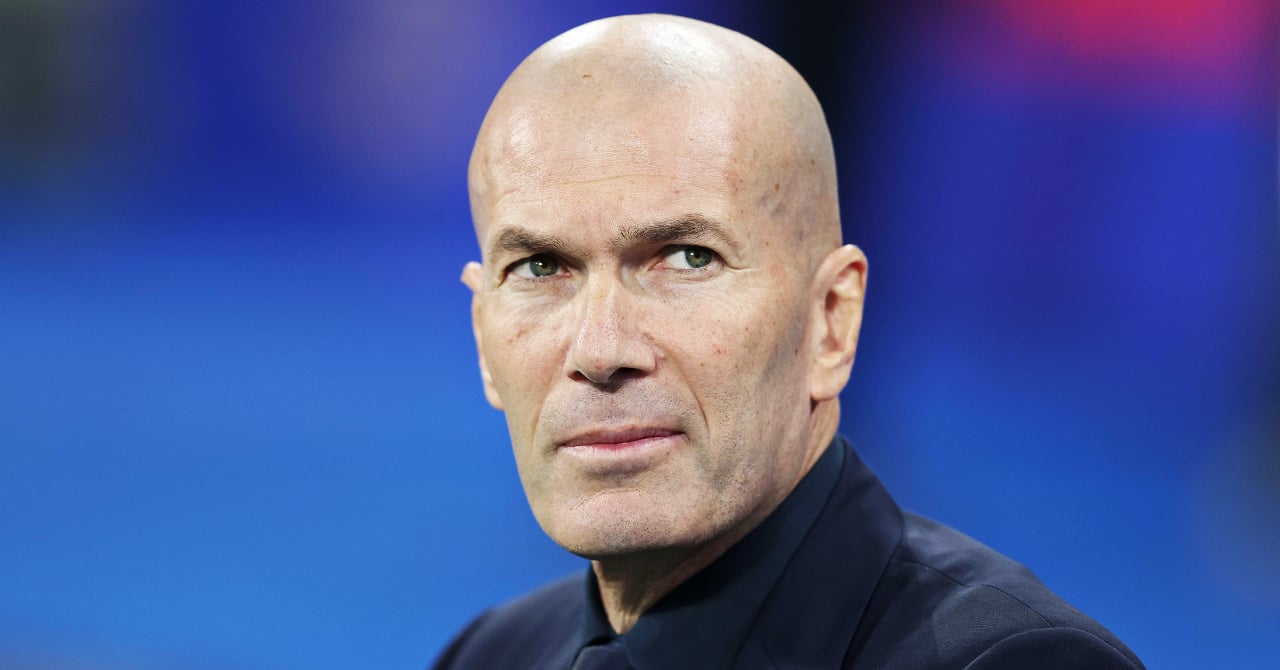
Is Rayan Cherki really cut out to be a France starter? The question divides opinion after Zinédine Zidane’s first two gatherings, which concluded the group phase of the Nations League with a record of four wins, one draw and one defeat — enough to finish top of the group.
In his 4-3-3, the manager chose to place the former Lyon player, now at Manchester City, in a holding midfielder role far removed from his usual position at club level. This repositioning is at the heart of the criticism. During the defeat to Italy in Milan (1-3), Cherki was particularly singled out for his lack of defensive commitment.
“Rayan Cherki, either he’s above the match and he delights everyone, or he’s not above it and he can be a problem,” analyzes consultant Walid Acherchour. He notably cites the second half against Italy, where the midfielder allegedly “left Malo Gusto abandoned” in several goal-scoring situations. “On all three situations, his commitment is truly shameful,” he concludes.
Acherchour acknowledges the player’s quality nonetheless, while questioning his status: “He’s a great twelfth man. But today, do you have time to hand him the keys for France?” He also notes that against Turkey, Cherki delivered a better performance than Michael Olise, who is nonetheless an undisputed starter in Zidane’s setup.
The manager now has four months, until the Nations League quarter-finals scheduled for March, to definitively settle Cherki’s place in his starting eleven.
Read also
-
 Football ·
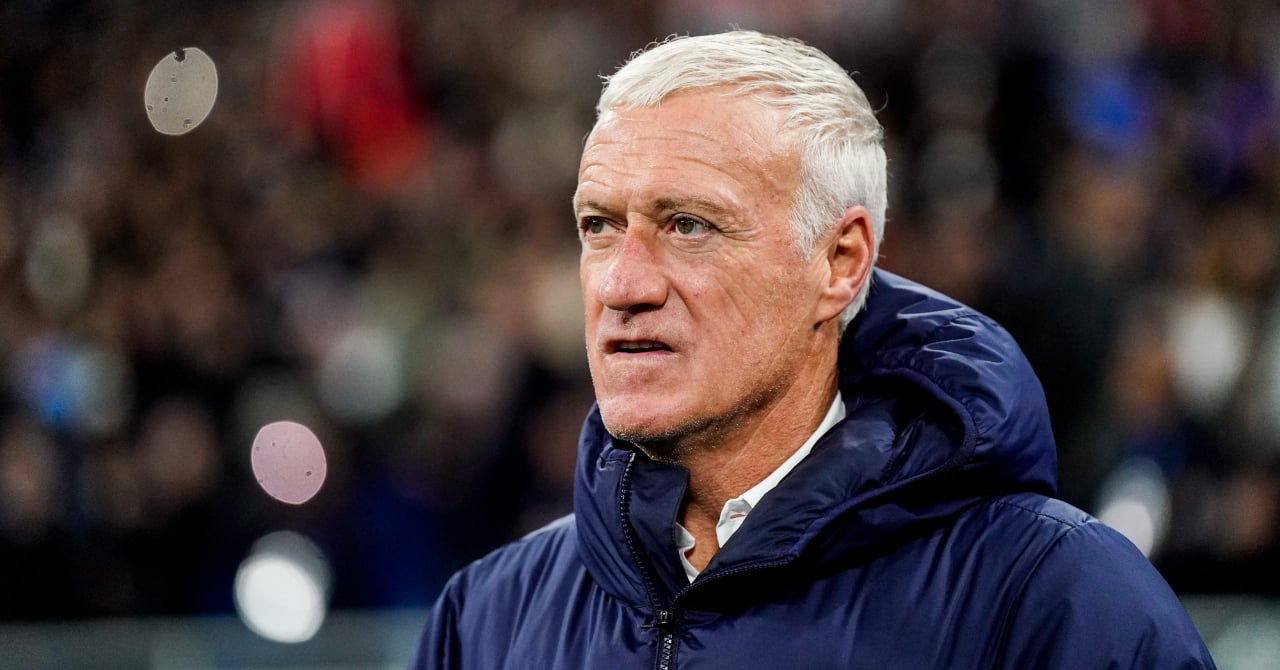
Deschamps makes his return to screens… as a cooking coach for Burger King
-
 Football ·
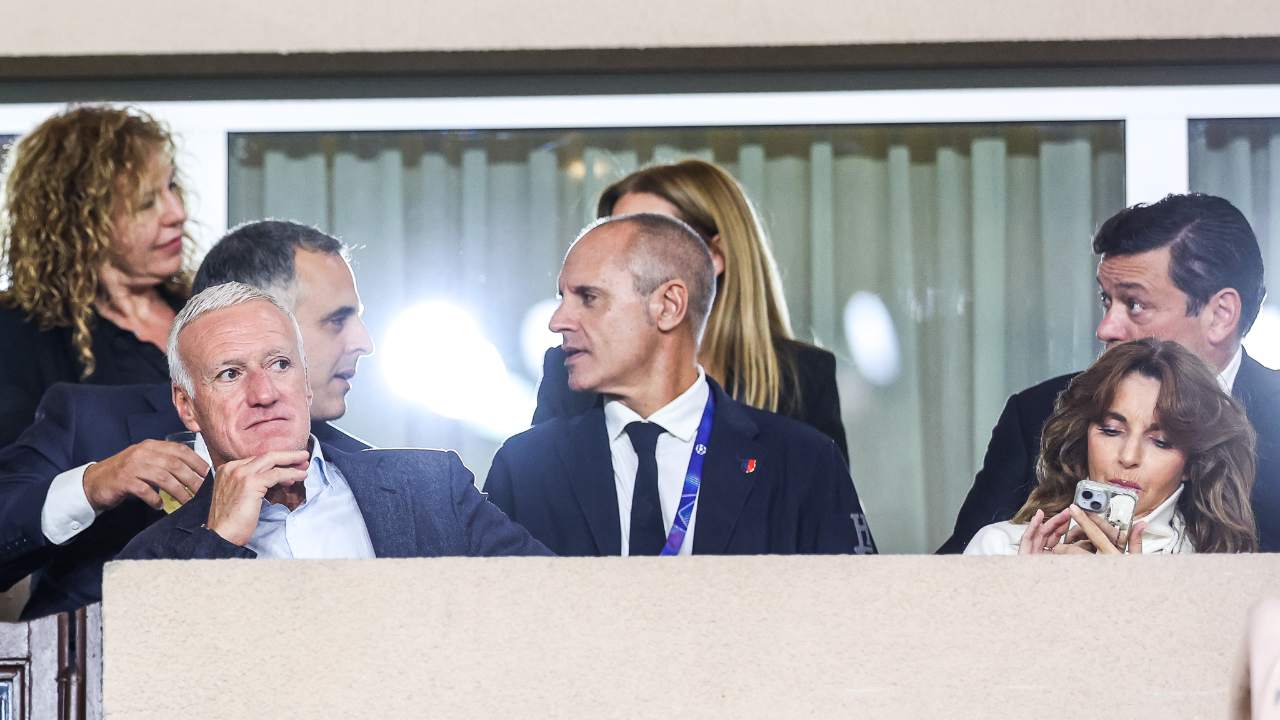
Deschamps breaks fourteen years of advertising silence with Burger King commercial
-
 Football ·
Pochettino arrives at Carrington hours after final USA game to begin Man United tenure
-
 Football ·
Buurman's late corner goal keeps Chelsea's Women's Champions League quarter-final hopes alive
-
 Football ·
Pochettino arrives at Carrington and vows United will be ready for Liverpool on Sunday
-
 Football ·
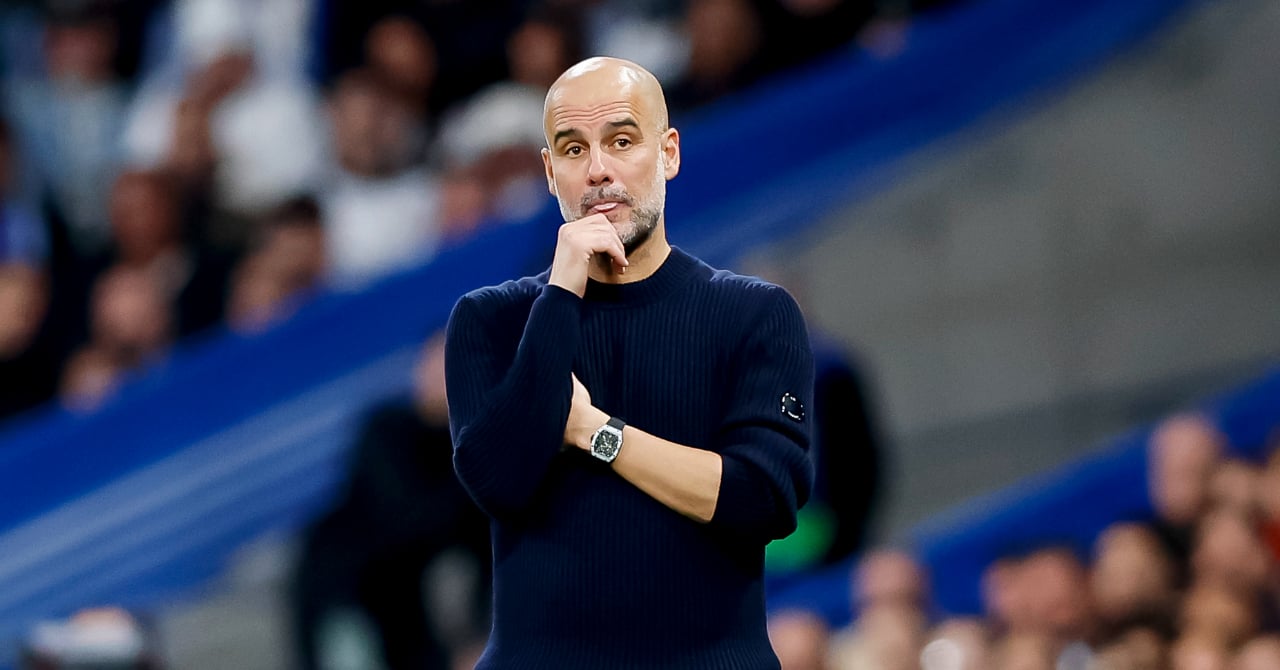
Guardiola targets national team after rejecting Saudi Arabia and Italy

 Switzerland U17
