2030 World Cup maintains 48-team format despite Conmebol pressure
FIFA rejected Conmebol's proposal to expand the tournament to 64 teams. The 2030 World Cup, hosted in Spain, Morocco and Portugal with three opening matches in South America, will keep the format introduced in 2026.
1 min read
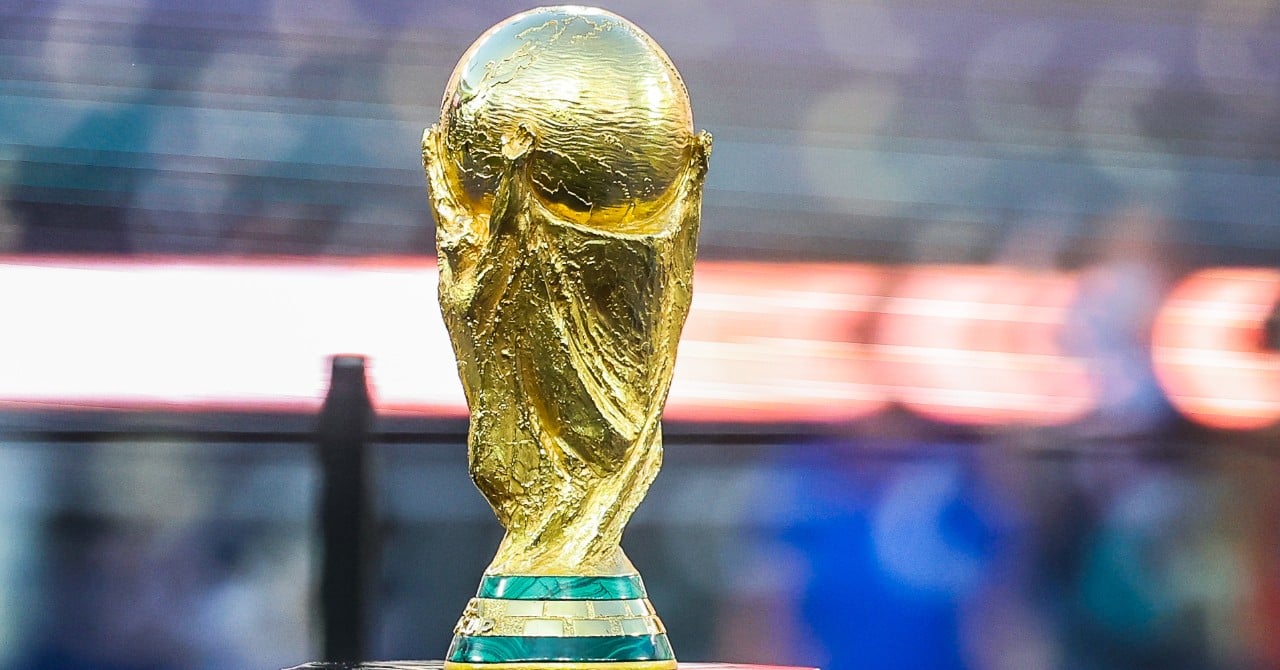
FIFA has decided: the 2030 World Cup will be contested with 48 teams, rejecting Conmebol’s proposal to expand the tournament to 64 participants. Gianni Infantino reportedly dismissed the idea under pressure from European leaders, according to information from the Times.
The format adopted for 2026 in North America will therefore be repeated identically: twelve groups of four teams, with the top two from each group and the eight best third-place finishers qualifying for the round of 16. Qualifying matches will begin in 2027 around the world.
The expansion request came from Conmebol president Alejandro Dominguez of Paraguay. By increasing the number of groups from 12 to 16, he hoped to secure more matches for the three South American co-hosts of the opening matches — Argentina, Paraguay and Uruguay. These three inaugural matches, which will celebrate the competition’s centenary, will be held respectively at the Monumental in Buenos Aires, in Asuncion and in Montevideo. It was precisely the good relationship between Dominguez and Infantino that had made it possible to secure these symbolic matches.
The main competition will take place in Spain, Morocco and Portugal, with the latter hosting only two stadiums, in Lisbon and Porto. The question of the final continues to crystallize tensions between Madrid and Rabat: the Spanish federation, which led the bid with Portugal, claims the Bernabéu (83,186 capacity), while Morocco is banking on the massive Hassan II stadium, under construction near Casablanca and set to hold 115,000 spectators.
Read also
-
 Football ·
Africa Cup of Nations 2027: Algeria in Pot 2, a Treacherous Draw Looms
-
 Football ·
Wenger reportedly declined FIFA presidency candidacy against Infantino
-
 Football ·
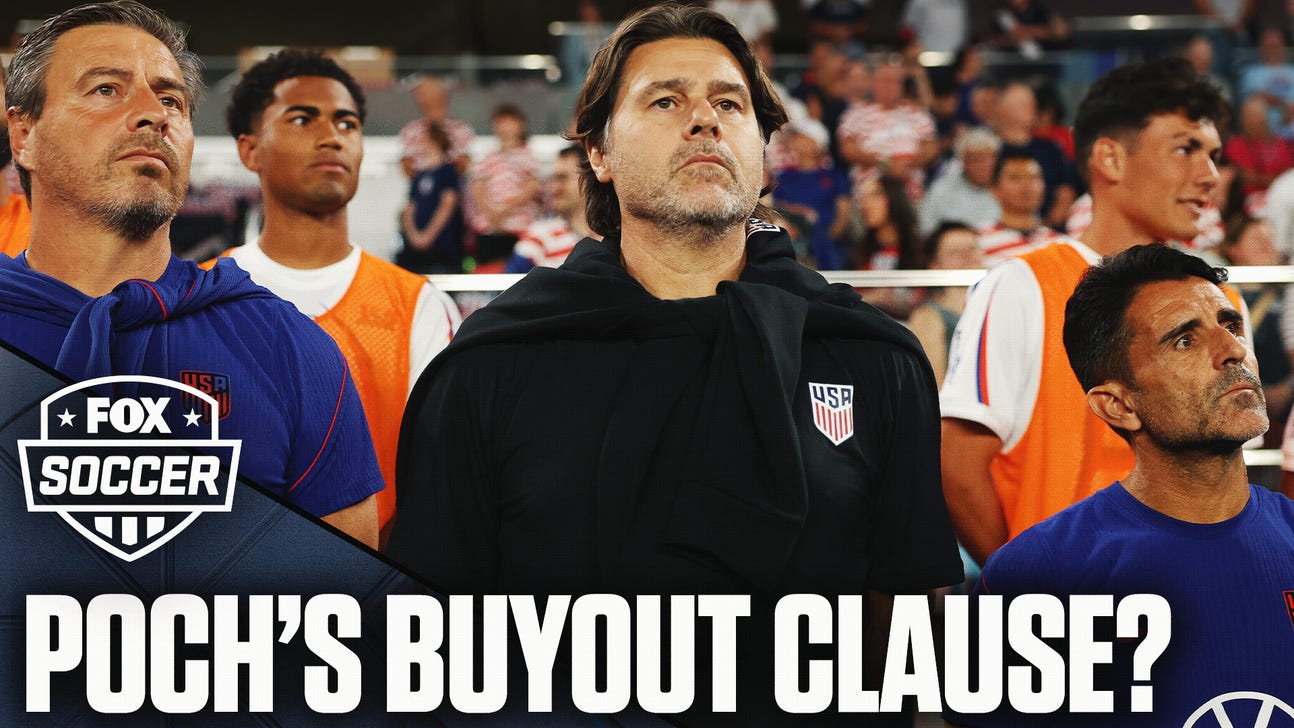
Manchester United face $10m buyout to prise Pochettino from USMNT role
-
 Football ·
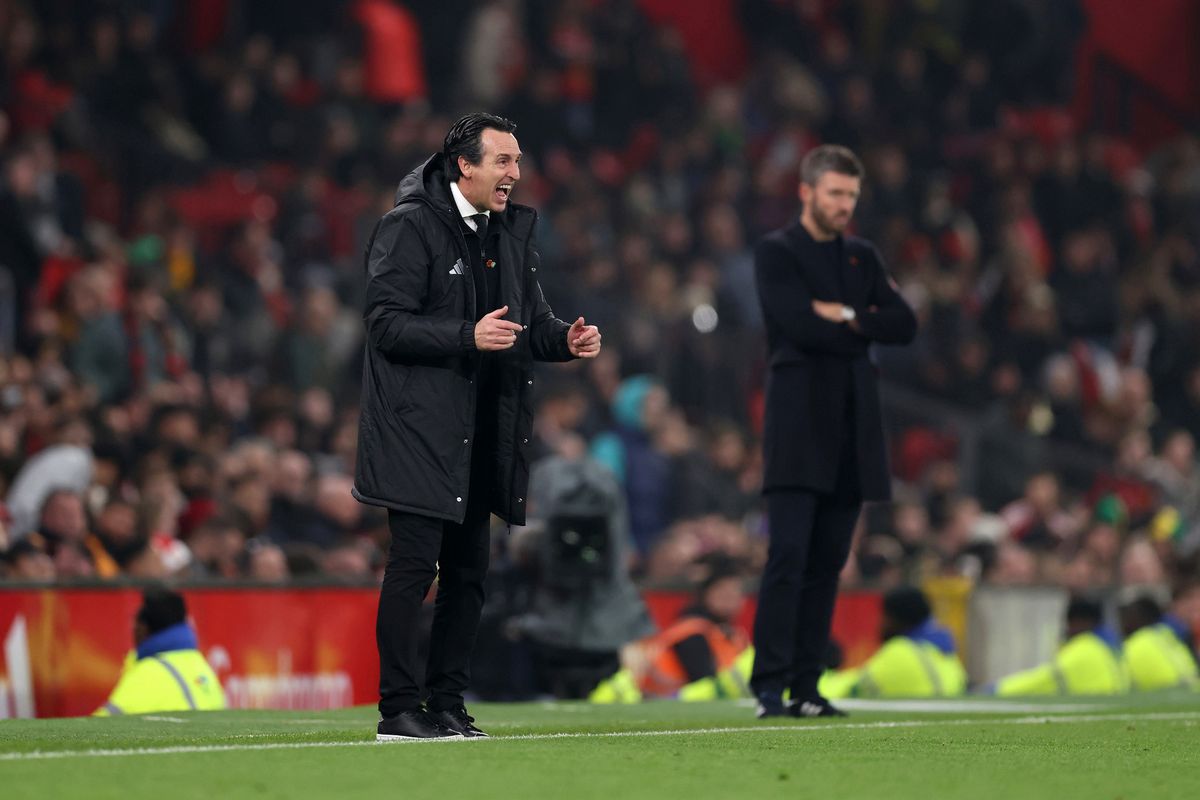
Emery set to extend Aston Villa stay as United prepare to sack Carrick this week
-
 Football ·
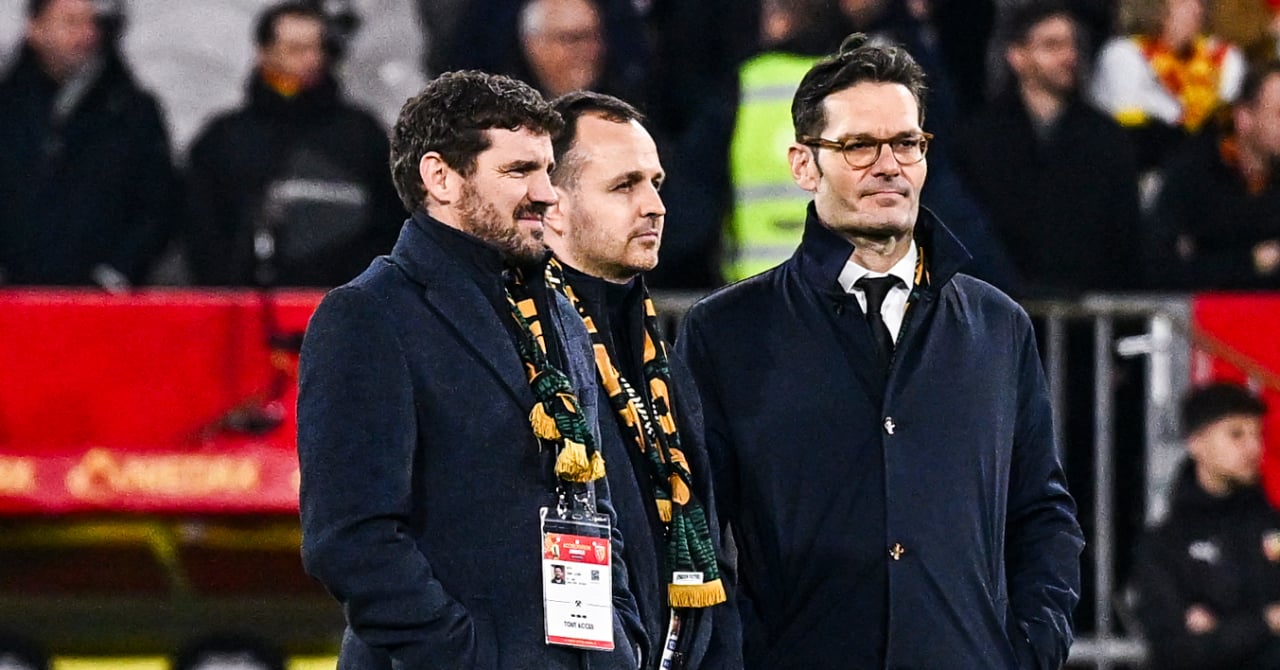
After Cahuzac, sporting director Jean-Louis Leca « in great danger » at RC Lens
-
 Football ·
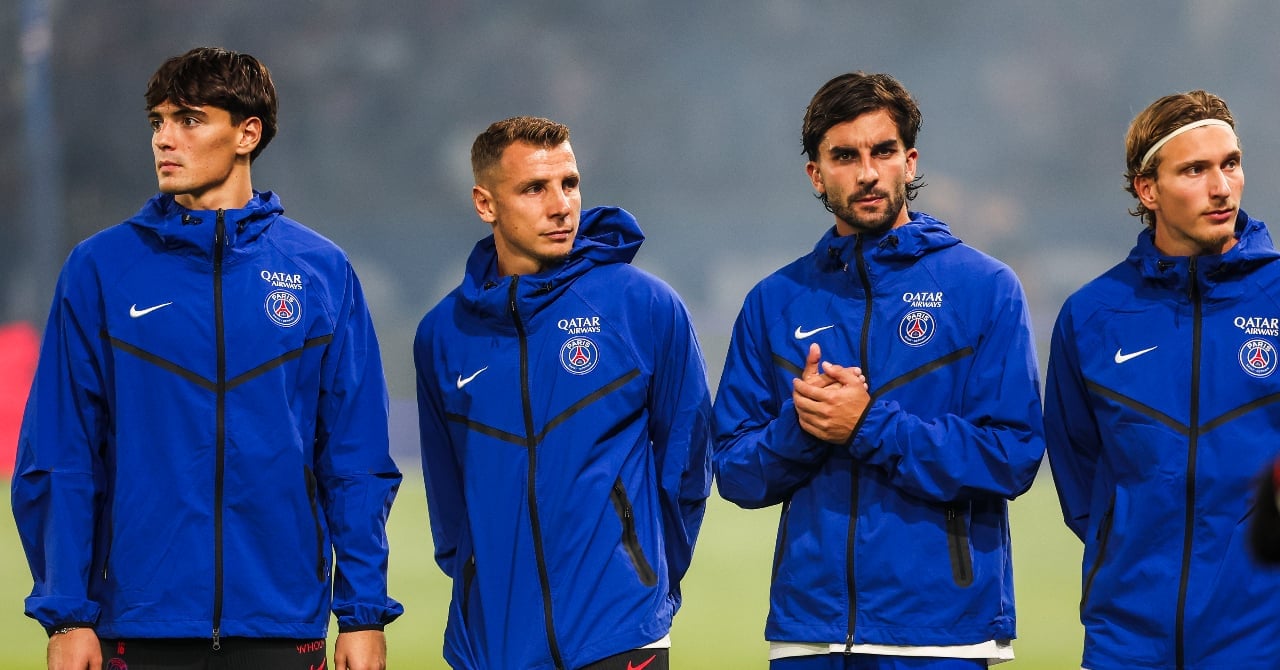
Injured on international duty, Alessandro Longoni leaves Italian U19 camp and returns to PSG
 Vietnam